Filling needle Ahmedabad
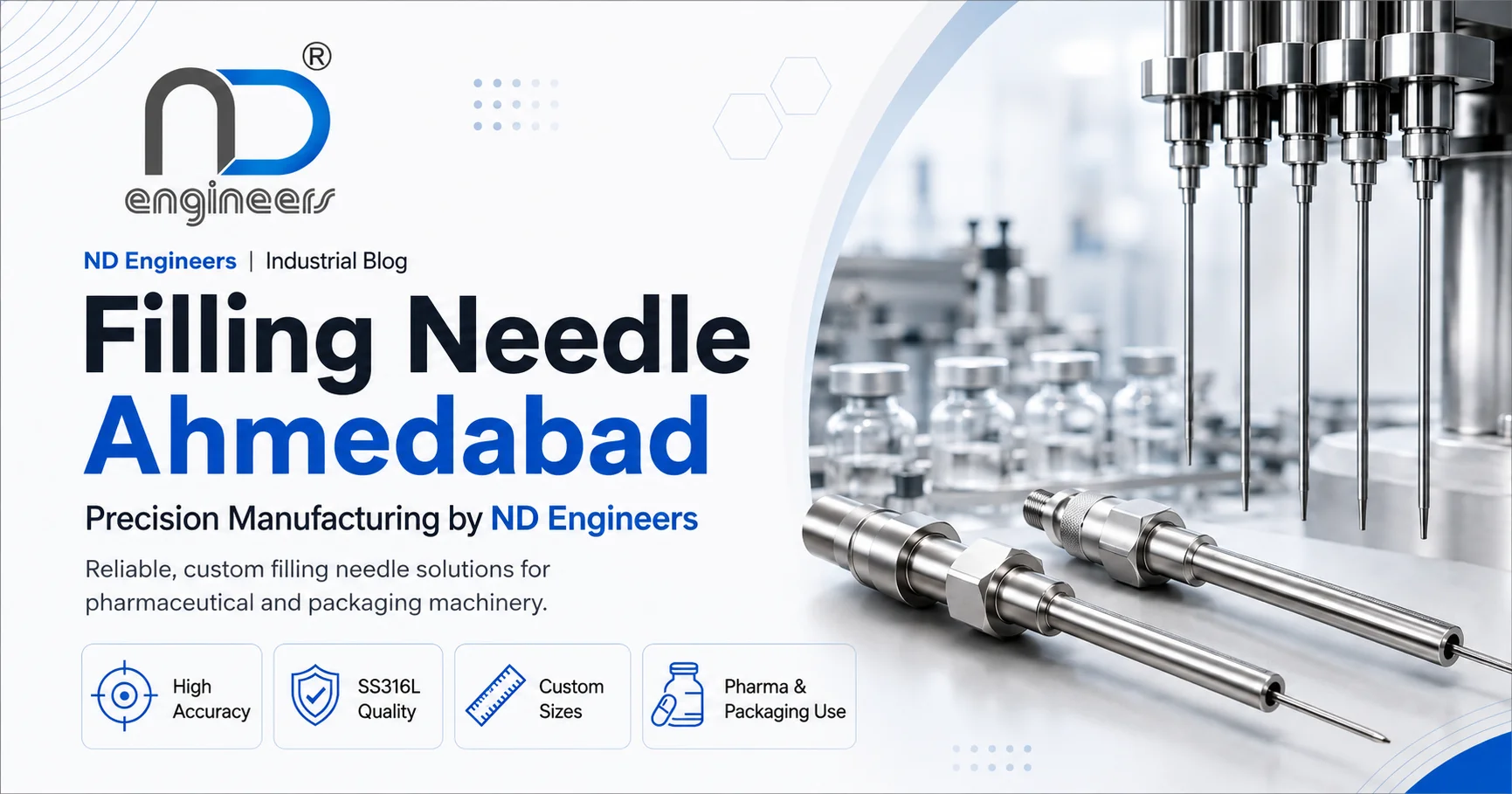
Discover high-precision filling needles in Ahmedabad. ND Engineers offers reliable, custom solutions for pharmaceutical and packaging machinery.
What is a Filling Needle? An Overview
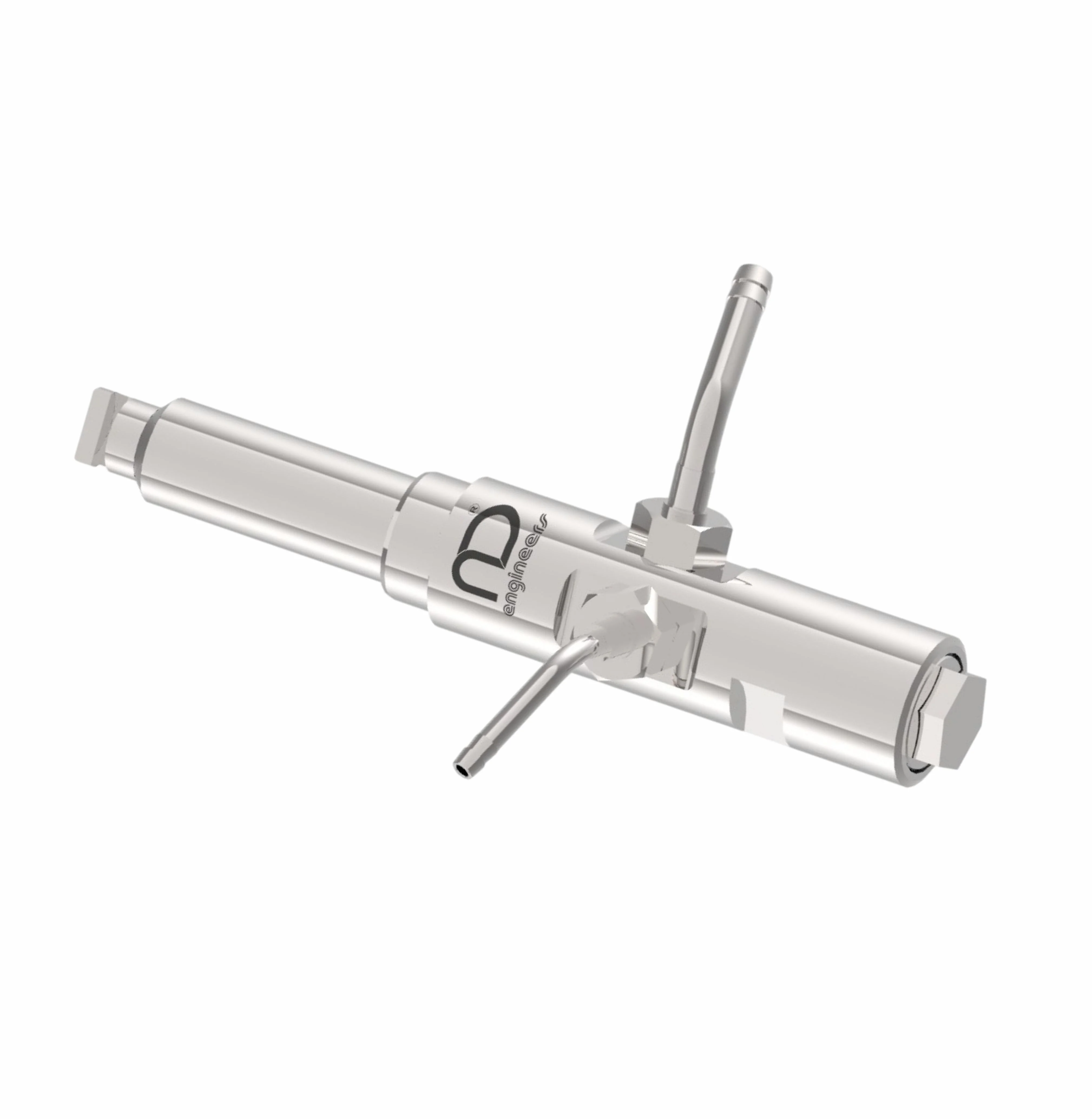
A filling needle, in essence, is a specialized nozzle designed for the precise dispensing of liquids or semi-liquids into containers. Within the pharmaceutical and packaging industries, these needles are integral parts of automated or semi-automated filling machines. They are engineered with specific internal diameters, lengths, and tip designs to control the flow rate and ensure accurate volume delivery.
The material composition of the filling needle is crucial, often requiring inertness and resistance to corrosion to prevent contamination of the product. They are designed to work seamlessly with various filling technologies, including volumetric filling and gravimetric filling systems, ensuring that the correct amount of product is dispensed with every cycle. Their design also considers factors like viscosity of the fluid, foaming tendencies, and the type of container being filled.
Key Features and Technical Specifications
When selecting filling needles, specific technical attributes are critical for optimal performance and product integrity. ND Engineers focuses on delivering components that meet these demanding specifications:
- Material Construction: Typically manufactured from high-grade stainless steel (e.g., SS316L) or specialized alloys to ensure chemical inertness, corrosion resistance, and compliance with pharmaceutical standards.
- Precision Machining: Engineered with tight tolerances for consistent internal diameter and smooth internal surfaces to prevent turbulence and ensure accurate flow.
- Tip Design Variety: Available in various tip configurations, including straight, angled, beveled, or specialized designs (e.g., bottom-up filling) to suit different product viscosities and container types, minimizing foaming.
- Sterilizability: Designed to withstand common sterilization methods (autoclaving, gamma irradiation) without compromising material integrity or dimensional accuracy.
- Seamless Construction: Often feature a seamless tube construction to eliminate crevices where product residue could accumulate, simplifying cleaning and preventing cross-contamination.
- Customizable Length and Diameter: Can be manufactured to specific lengths and internal diameters to match unique filling machine requirements and desired fill volumes.
- Secure Fitting: Designed with appropriate connection types (e.g., Luer lock, threaded fittings) for secure and leak-free attachment to the filling machine's dispensing system.
Industrial Applications and Use Cases
The versatility and precision of filling needles make them indispensable across a range of industries, particularly where accurate liquid dispensing is crucial:
- Pharmaceutical Liquid Filling: Dispensing syrups, suspensions, injectables, oral solutions, and ophthalmic preparations into vials, bottles, and syringes.
- Vaccine and Biologics Manufacturing: Ensuring precise and sterile filling of sensitive biological products where even minor volume deviations are critical.
- Cosmetic and Personal Care Products: Filling perfumes, lotions, serums, and creams into various containers with accuracy and aesthetic consideration.
- Food and Beverage Industry: Dispensing oils, sauces, flavorings, and specialized liquid ingredients where precise dosing is required for consistency.
- Laboratory and Research Applications: Used in automated systems for precise reagent dispensing, sample preparation, and diagnostic kit assembly.
- Veterinary Medicine Production: Filling liquid medications and supplements for animal health products.
- Chemical and Reagent Dispensing: Accurate measurement and dispensing of chemicals in industrial processes or laboratory settings.
How to Choose the Right Filling Needle
Selecting the appropriate filling needle is a critical decision that directly impacts your production efficiency and product quality. Consider these factors when making your choice:
- Product Characteristics: Analyze the viscosity, surface tension, and foaming tendency of the liquid being dispensed. This will dictate the required tip design and diameter.
- Container Type and Size: The dimensions and opening of the container will influence the needle's length and diameter. For narrow-necked bottles, a thinner, longer needle might be necessary.
- Filling Machine Compatibility: Ensure the needle's fitting mechanism and overall dimensions are compatible with your specific filling machine model.
- Required Accuracy and Speed: For high-speed lines or extremely sensitive products, needles with tighter tolerances and specialized tip designs are essential.
- Sterilization Requirements: If aseptic filling is required, confirm the needle material can withstand the necessary sterilization processes without degradation.
- Material Compatibility: Verify that the needle material is inert and will not react with or contaminate the product being filled.
- Supplier Expertise: Partner with a manufacturer that demonstrates a deep understanding of pharmaceutical filling processes and can offer technical guidance.
- Customization Needs: If standard options don't suffice, look for a supplier capable of custom manufacturing to your exact specifications.
Quality Standards and Compliance
For pharmaceutical applications, adherence to stringent quality standards and regulatory compliance is non-negotiable. Filling needles used in this sector must be manufactured with meticulous attention to detail and often need to meet specific industry benchmarks. Manufacturers like ND Engineers understand the importance of using materials that are FDA-approved or compliant with relevant pharmacopoeial standards.
The manufacturing process itself should adhere to Good Manufacturing Practices (GMP). This ensures that the needles are produced in a controlled environment, minimizing the risk of contamination. Verification of material certifications, traceability of materials, and documented quality control procedures are vital. Buyers should always inquire about the standards under which the needles are manufactured and request relevant documentation to ensure they meet the rigorous demands of pharmaceutical production.
Why ND Engineers' Experience and Capability Matter
Established in 2010 in Ahmedabad, ND Engineers brings over a decade of focused experience in manufacturing pharmaceutical and packaging machinery spares. Our team comprises skilled professionals with a deep understanding of the precision engineering required for components like filling needles. We pride ourselves on our in-house manufacturing capabilities, which allow us to maintain strict quality control throughout the production process.
Our commitment to quality is reflected in our choice of materials and our precision machining techniques. We work closely with our clients to understand their specific application needs, enabling us to offer standard solutions or develop custom-designed filling needles. This collaborative approach, combined with our technical expertise and dedication to reliable delivery, makes us a trusted partner for pharmaceutical manufacturers seeking high-performance components.
Installation, Maintenance, and Care Tips
Proper installation, regular maintenance, and careful handling of filling needles are crucial for their longevity and the accuracy of your filling operations.
Installation
Ensure the filling machine is powered off and safely disengaged before attempting any installation or removal.
Verify that the needle's fitting mechanism is clean and free from debris before attaching it to the filling head.
Tighten the needle securely but avoid over-tightening, which can damage the fitting or the machine component.
Maintenance
- Cleaning: Thoroughly clean needles after each production run using validated cleaning procedures. This typically involves flushing with appropriate cleaning agents followed by purified water rinses.
- Inspection: Regularly inspect needles for any signs of wear, damage, corrosion, or blockages. Pay close attention to the tip for any deformation or burrs.
- Sterilization: If used in aseptic processes, ensure needles are sterilized according to validated protocols before each use.
- Replacement: Replace needles that show signs of damage, wear, or if fill volume accuracy deviates beyond acceptable limits.
Care:
Store needles in a clean, dry, and protected environment when not in use.
Handle needles with care to avoid dropping or bending them.
Maintain a log of needle usage and maintenance to track their service life.
Frequently Asked Questions
Pharmaceutical filling needles are commonly made from high-grade stainless steel, such as SS316L, due to its excellent corrosion resistance and inertness. In some specialized applications, other alloys or materials like PEEK might be used depending on the product's chemical properties and sterilization requirements.
The tip design is critical for controlling product flow and minimizing issues like foaming or dripping. Straight tips are general-purpose, while beveled or angled tips can help reduce splashing. Bottom-up filling tips are designed to start filling from the bottom of the container and move upwards, which is ideal for foamy products.
Yes, customization is a key aspect of filling needle manufacturing. Manufacturers can tailor needles for specific lengths, internal diameters, tip configurations, and connection types to precisely match a particular filling machine and product.
The lifespan of a filling needle depends heavily on the product being filled, the frequency of use, cleaning and sterilization procedures, and the material quality. With proper care and maintenance, high-quality needles can last for extended periods, but regular inspection for wear and tear is essential.
To ensure compliance, always source needles from reputable manufacturers who adhere to GMP standards. Request material certifications, traceability documentation, and confirmation of compliance with relevant pharmacopoeial guidelines. The manufacturer should be able to provide evidence of their quality control processes.
Signs include visible damage such as bending, burrs, or corrosion on the needle or tip. Performance issues like inconsistent fill volumes, dripping, or excessive foaming during filling also indicate a need for replacement. Regular inspection and performance monitoring are key to identifying these issues.
Conclusion
For pharmaceutical and packaging manufacturers in Ahmedabad and across the industry, the selection of high-quality filling needles is a foundational element of production success. These precision components directly influence product accuracy, safety, and operational efficiency. By understanding the critical technical specifications, application requirements, and the importance of compliance, businesses can make informed choices.
Partnering with experienced manufacturers like ND Engineers, who possess a deep understanding of these demands and offer robust, precisely engineered solutions, is crucial. Their commitment to quality, customization capabilities, and technical expertise ensures that your filling operations are supported by reliable and accurate components, contributing to the overall integrity of your pharmaceutical products.
Get In Touch
Nd Engineers