Industrial Pump
Industrial pumps are the workhorses of modern industry, facilitating the movement of fluids across a vast spectrum of applications. From chemical processing and oil and gas extraction to water treatment and pharmaceutical manufacturing, these machines are indispensable for maintaining continuous operations. Understanding the intricacies of industrial pumps, their varied designs, and the specific requirements of different sectors is crucial for ensuring efficiency, safety, and reliability in any fluid handling process.
Understanding the Industrial Pump
An industrial pump is a mechanical device designed to move liquids or gases by mechanical action. They are engineered to withstand challenging environments, operating continuously under high pressures, fluctuating temperatures, and often corrosive or abrasive conditions. The fundamental role of an industrial pump is to add energy to a fluid, thereby increasing its pressure and enabling its transfer from one location to another. This seemingly simple function is vital for a multitude of industrial processes, from transferring raw materials and finished products to managing waste streams and enabling critical chemical reactions.
The design and functionality of industrial pumps vary significantly based on the intended application. Factors such as the viscosity, corrosiveness, temperature, and required flow rate of the fluid all dictate the type of pump that will be most suitable. The selection of an industrial pump is therefore a critical engineering decision that impacts operational efficiency, maintenance costs, and overall process integrity.
Diverse Applications of Industrial Pumps
Industrial pumps are integral to numerous sectors, each with unique demands. Their versatility allows them to serve a wide array of purposes:
Water and Wastewater Treatment
Pumps are essential for moving water through treatment facilities, managing sewage, and distributing potable water, requiring reliability and high-volume capacity.
Chemical Processing
Handling corrosive, hazardous, or viscous chemicals necessitates specialized pumps with materials and designs that ensure safety and prevent leakage.
Oil and Gas
From extraction and refining to transportation, pumps are used for crude oil, natural gas, and various refined products, often in extreme conditions.
Pharmaceuticals
Precision is paramount in the pharmaceutical industry. Pumps are used for precise dosing of ingredients, transferring sensitive liquids, and in cleaning-in-place (CIP) and sterilizing-in-place (SIP) systems, requiring high accuracy and hygienic designs.
Food and Beverage
Pumps in this sector must be hygienic, easy to clean, and capable of handling a variety of products, from water and milk to viscous sauces and pastes.
Construction
Pumps are used for dewatering construction sites, concrete transfer, and supplying water for various building processes.
Key Features and Benefits
When selecting an industrial pump, several features contribute to its performance, durability, and suitability for specific tasks:
- Material Compatibility: Pumps must be constructed from materials resistant to the fluid being handled to prevent corrosion and contamination.
- Sealing Mechanisms: Effective seals are vital to prevent leaks, protect the environment, and ensure operational safety, especially with hazardous fluids.
- Flow Rate and Pressure Capabilities: The pump must meet the required volumetric flow rate and pressure head for the process.
- Efficiency: Energy efficiency is a key consideration to minimize operating costs.
- Durability and Reliability: Industrial pumps are expected to operate for extended periods with minimal downtime.
- Ease of Maintenance: Designs that facilitate easy cleaning, repair, and part replacement reduce maintenance costs and operational interruptions.
Choosing the Right Industrial Pump
Selecting the appropriate industrial pump is a critical step that requires careful consideration of numerous factors. An informed decision ensures optimal performance, longevity, and cost-effectiveness.
Understanding Your Fluid
The first step is to thoroughly analyze the fluid to be pumped:
- Viscosity: Highly viscous fluids require different pump types than low-viscosity liquids.
- Corrosiveness: Aggressive chemicals demand pumps made from specialized, resistant materials.
- Temperature: Extreme temperatures can affect fluid properties and material integrity, influencing pump design.
- Solids Content: If the fluid contains solids, the pump must be designed to handle them without clogging or damage.
Application Requirements
Consider the operational context:
- Flow Rate: The volume of fluid to be moved per unit of time.
- Head Pressure: The vertical distance and friction losses the pump must overcome.
- Duty Cycle: Whether the pump will operate continuously or intermittently.
- Environmental Conditions: The operating environment (e.g., hazardous areas, extreme temperatures).
Pump Types and Technologies
Various pump technologies exist, each suited for different tasks:
- Centrifugal Pumps: Versatile and common for high-flow, low-viscosity applications.
- Positive Displacement Pumps: Ideal for high-viscosity fluids, precise dosing, and applications requiring consistent flow regardless of pressure changes. This category includes rotary pumps and metering pumps.
Quality and Reliability
Prioritize manufacturers with a reputation for quality and robust engineering. Look for pumps designed for longevity and minimal maintenance, especially for critical applications.
Buyer Insight
In precision-driven industries like pharmaceuticals, the accuracy of fluid dispensing is non-negotiable. Pumps with stated accuracies of ≤ 1% of the desired volume, such as specialized volumetric syringes, are crucial for maintaining product quality and regulatory compliance.
ND ENGINEERS: Your Partner in Precision Pumping Solutions
Established in 2010 in Ahmedabad, ND ENGINEERS (NavDurga Engineers) specializes in the manufacturing of high-quality spares, accessories, and machinery for the pharmaceutical and packaging industries. With a deep understanding of the stringent requirements of these sectors, ND ENGINEERS offers a specialized range of pumps designed for precision and reliability.
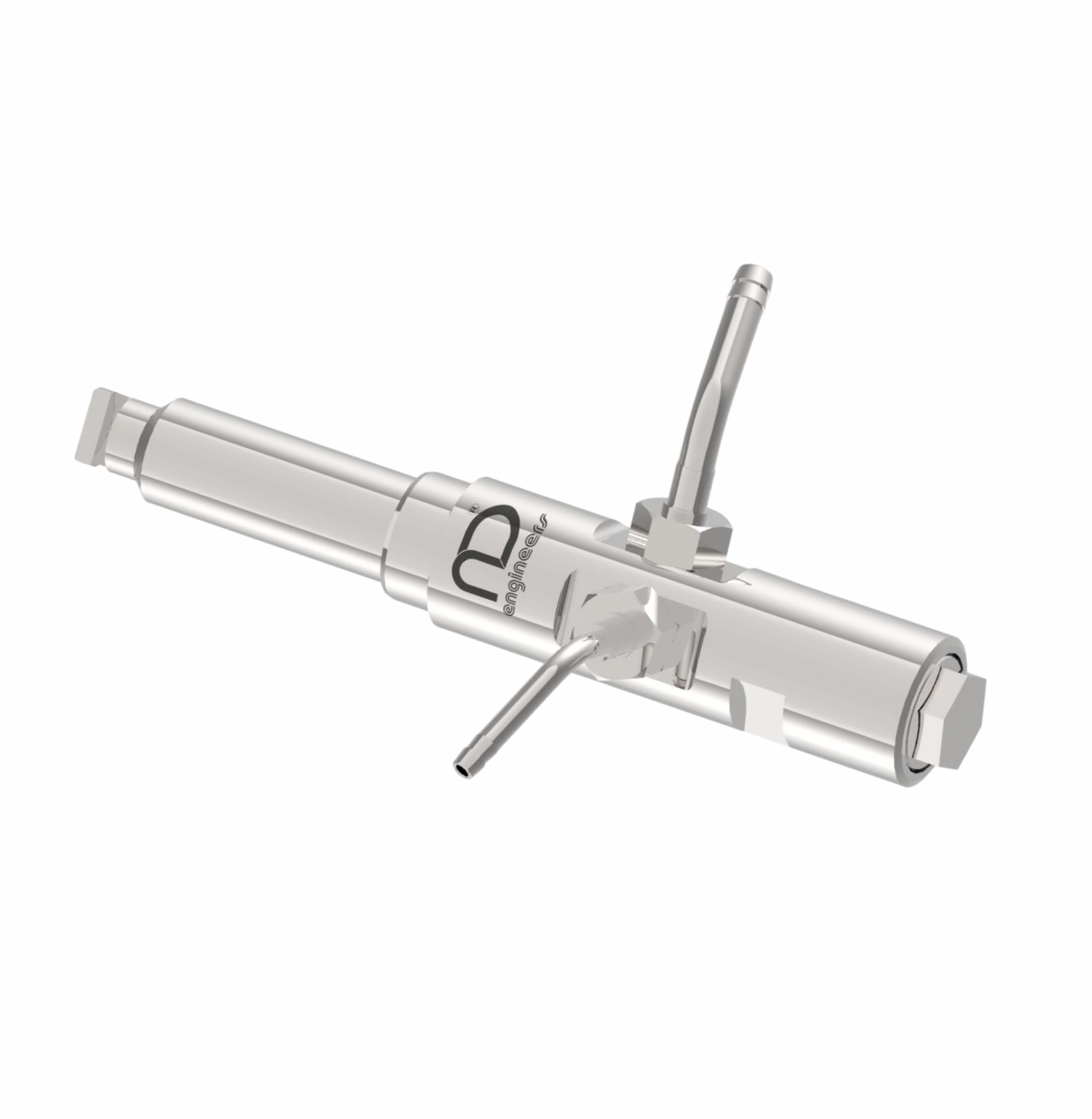
Our product portfolio includes advanced Ceramic Dosing Pumps, known for their durability and chemical resistance, and Rotary Ceramic Dosing Pumps. For applications demanding exceptional precision in fluid dispensing, we manufacture Metal Dosing Pumps tailored for sensitive pharmaceutical processes. Additionally, we provide high-accuracy NRV based Volumetric Syringes and NRV based Volumetric Teflon Syringes, engineered to deliver performance with an accuracy of ≤ 1% of the desired volume, meeting the critical needs of pharmaceutical manufacturing.
At ND ENGINEERS, we are committed to providing solutions that enhance operational efficiency and ensure the integrity of your processes. Our expertise in manufacturing precision components makes us a trusted partner for industries seeking reliable fluid handling equipment.
Frequently Asked Questions
What is the primary function of an industrial pump?
The primary function of an industrial pump is to move fluids (liquids or gases) from one location to another by imparting energy to the fluid, increasing its pressure and enabling its transfer.
Which industries commonly use industrial pumps?
Industrial pumps are used across a wide range of industries, including chemical processing, oil and gas, water and wastewater treatment, pharmaceuticals, food and beverage, construction, and general manufacturing.
What factors should I consider when selecting an industrial pump?
Key factors include the fluid's viscosity, corrosiveness, and temperature; the required flow rate and pressure; the pump's duty cycle; and the operating environment. Material compatibility, sealing mechanisms, and pump efficiency are also crucial.
What makes ceramic pumps suitable for certain industrial applications?
Ceramic pumps are highly resistant to corrosion and wear, making them ideal for handling aggressive chemicals, abrasive fluids, and high-temperature applications where other materials might fail.
How does ND ENGINEERS ensure accuracy in its dosing pumps and syringes?
ND ENGINEERS manufactures precision dosing pumps and volumetric syringes, including NRV based Volumetric Syringes and Teflon Syringes, with a stated accuracy of ≤ 1% of the desired volume, utilizing meticulous engineering and quality control processes.
Ready to Find Your Ideal Pumping Solution?
For industries demanding precision, reliability, and specialized fluid handling capabilities, ND ENGINEERS offers expertly manufactured pumps and volumetric syringes. Explore our range of Ceramic Dosing Pumps, Metal Dosing Pumps, and high-accuracy volumetric syringes designed to meet the rigorous standards of pharmaceutical and packaging applications. Contact us today to discuss your specific requirements and discover how our solutions can optimize your operations.
Learn More About Our Products