pharma equipment filling needle
In the highly regulated and precision-demanding world of pharmaceutical manufacturing, the accuracy and reliability of every component are paramount. Among these critical parts, the pharma equipment filling needle stands out as a key enabler of precise liquid and semi-liquid dispensing. These specialized needles are integral to volumetric syringe fillers and other advanced filling machinery, ensuring that medications and sensitive formulations are delivered with exactitude into their intended containers. Achieving consistent dosage, minimizing product waste, and adhering to stringent regulatory standards are all directly influenced by the quality and design of the filling needle.
ND ENGINEERS understands the critical nature of these components. As a manufacturer specializing in volumetric syringe fillers and related accessories, the company provides solutions designed to meet the rigorous demands of the pharmaceutical industry. Their expertise in producing high-accuracy volumetric syringes and hygienic filling needles directly addresses the core needs of pharmaceutical producers for dependable, precise, and contamination-free filling operations.
What are Pharma Equipment Filling Needles?
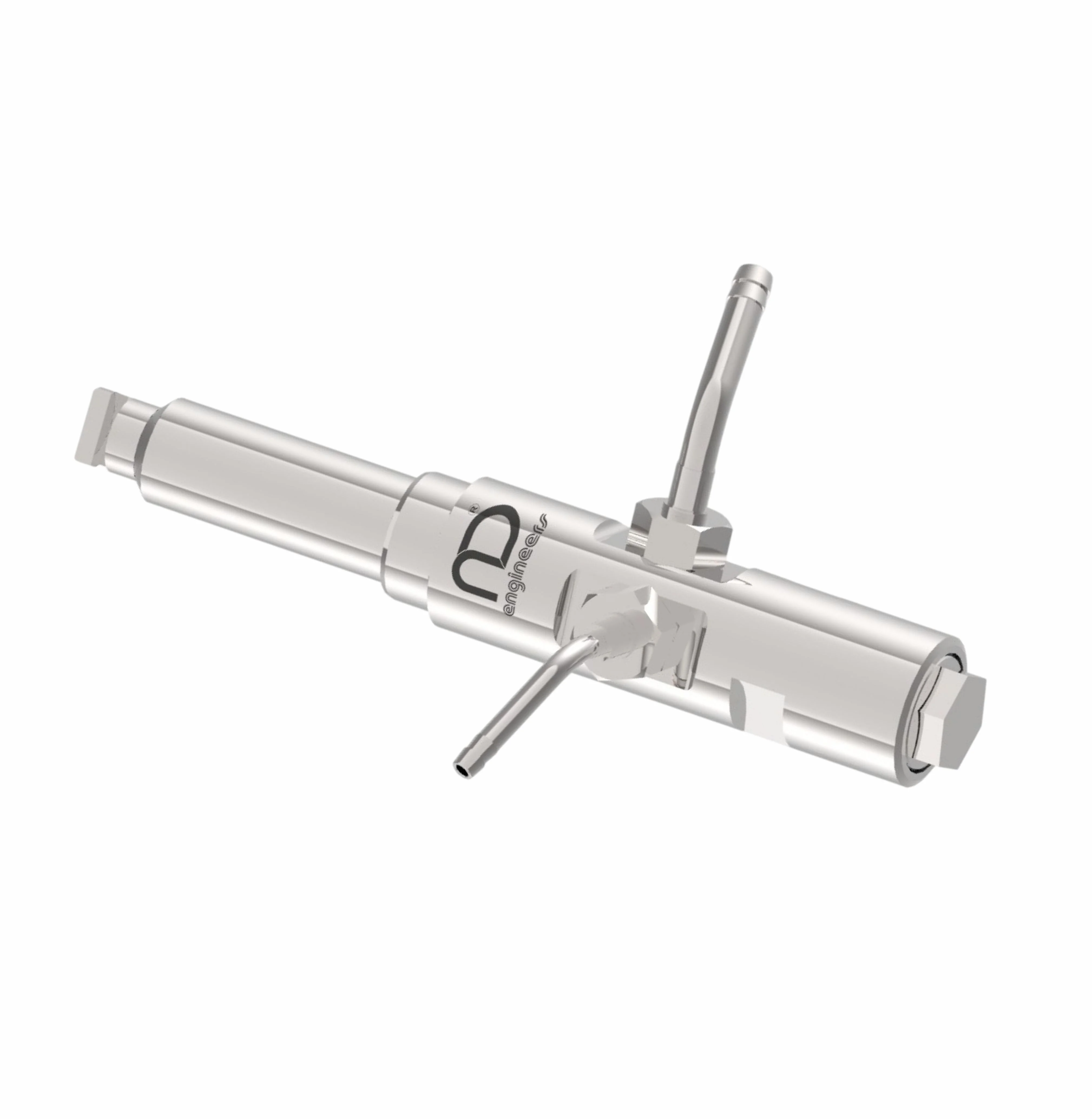
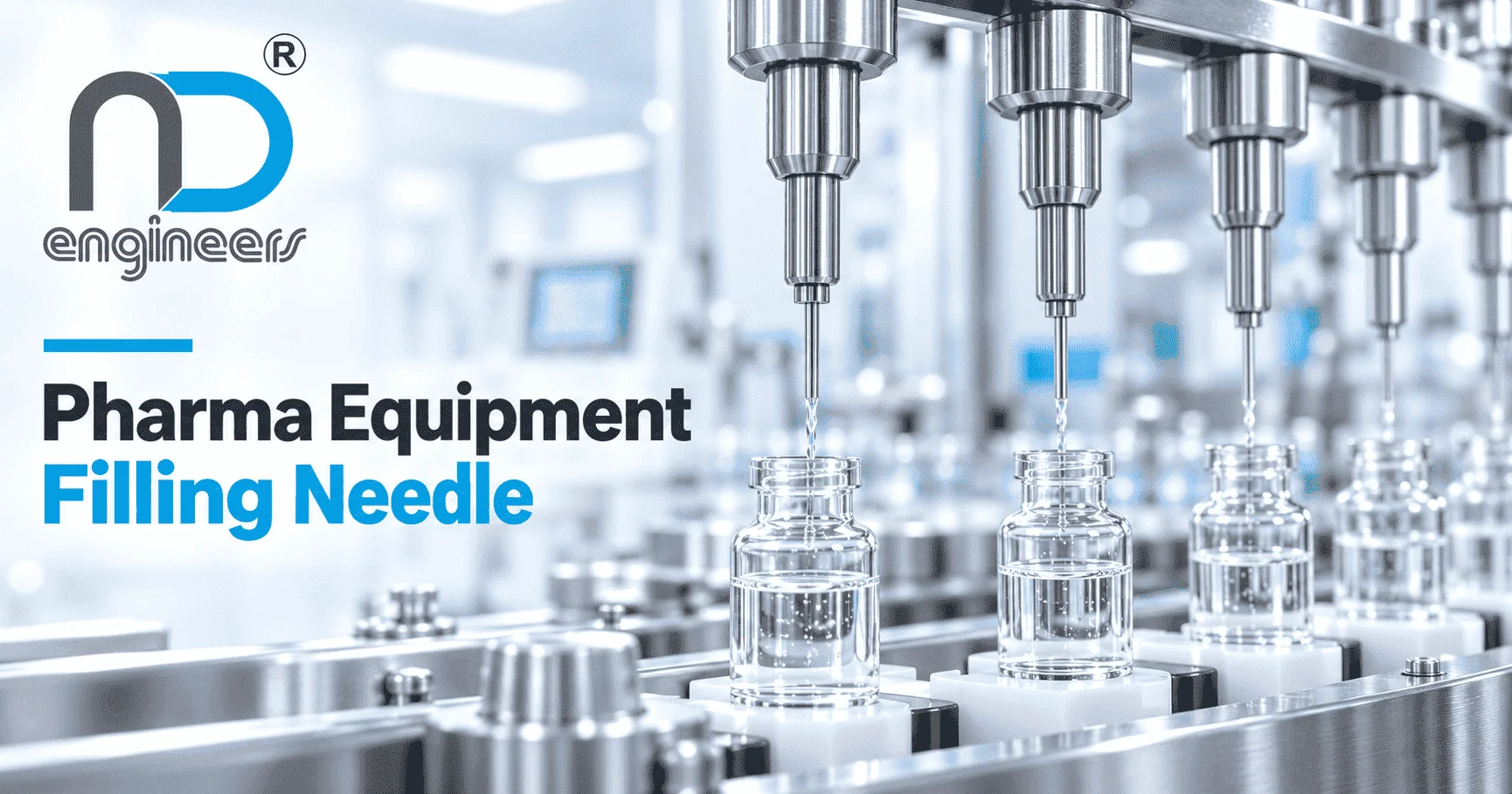
A pharma equipment filling needle, often referred to as a fill/drain needle or dispensing needle, is a precision-engineered component designed for the accurate and controlled delivery of pharmaceutical products. These needles are typically integrated into automated filling machines, most notably volumetric syringe fillers, to dispense liquids, semi-liquids, suspensions, and even powders into vials, syringes, bottles, and other primary packaging.
The primary function of a filling needle is to ensure that the exact specified volume of product is transferred without spillage, dripping, or contamination. This precision is vital for:
- Dosage Accuracy: Ensuring each container receives the correct therapeutic dose, which is non-negotiable in pharmaceutical applications.
- Product Integrity: Maintaining the sterility and chemical stability of sensitive pharmaceutical formulations during the filling process.
- Efficiency: Enabling high-speed, repeatable filling operations that streamline production lines and reduce manual intervention.
- Regulatory Compliance: Meeting stringent Good Manufacturing Practices (GMP) and other industry standards that govern pharmaceutical production.
Volumetric syringe fillers, a specialty of ND ENGINEERS, often incorporate these needles as part of their integrated system, allowing for adjustable fill volumes directly controlled via the machine's interface. This eliminates the need for separate metering devices and contributes to overall system accuracy and simplicity.
Applications and Use Cases for Filling Needles in Pharma
The versatility and precision of pharma equipment filling needles make them indispensable across a wide spectrum of pharmaceutical manufacturing processes. Their application extends beyond simple liquid filling to encompass highly sensitive and specialized production needs.
Key Application Areas:
- Sterile Parenteral Products: Filling vaccines, injectables, and other sensitive medications that require aseptic processing to maintain sterility.
- Biologics and Biotechnology: Dispensing delicate biological solutions and advanced therapies where product integrity is paramount.
- Oral Dosage Forms: Accurately filling solutions, suspensions, and syrups into bottles for oral administration.
- Viscous Products: Handling semi-liquids, ointments, and gels that require specialized needle designs for smooth and consistent dispensing.
- Small-Volume Dispensing: Precise filling of micro-volumes, often found in diagnostic kits or specialized drug formulations.
- Powder Filling: Certain needle designs can also be adapted for the precise filling of powdered active pharmaceutical ingredients (APIs).
The choice of filling needle is often dictated by the specific product characteristics, the container type, and the required level of sterility. For instance, needles used in aseptic environments are designed to facilitate clean-in-place (CIP) or sterilization-in-place (SIP) procedures, or are often designed as single-use components to eliminate the risk of cross-contamination.
Key Benefits of Using High-Quality Pharma Filling Needles
Investing in reliable and accurately designed pharma equipment filling needles offers substantial advantages to pharmaceutical manufacturers, impacting product quality, operational efficiency, and economic performance.
Enhanced Accuracy & Consistency
Achieve ±1% accuracy in filling volumes, as offered by volumetric syringe systems, minimizing under-dosing and over-dosing.
Reduced Product Waste
Precise dispensing directly translates to less product wastage, leading to significant cost savings, especially with high-value pharmaceuticals.
Improved Production Efficiency
High-speed, repeatable filling cycles enabled by well-designed needles boost overall throughput and reduce manufacturing lead times.
Maintained Product Integrity
Specialized designs help prevent contamination, preserve sterility, and avoid shear or damage to sensitive formulations.
Streamlined Regulatory Compliance
Consistent and verifiable fill accuracy supports adherence to strict pharmaceutical industry regulations and GMP standards.
Buyer's Guide: Selecting the Right Pharma Equipment Filling Needle
Choosing the correct filling needle is a critical decision that impacts the success of your pharmaceutical filling operations. Consider the following factors to make an informed choice:
Key Selection Criteria:
- Product Characteristics: Evaluate viscosity, particulate content, pH, temperature, and potential for foaming or shear sensitivity.
- Container Type and Size: The needle must be compatible with the opening of the vial, syringe, or bottle and reach the desired fill level.
- Sterility Requirements: Determine if aseptic processing is needed. This may influence material choices, surface finish, and whether a single-use or multi-use needle is appropriate.
- Flow Rate and Speed: The needle design should support the required filling speed without compromising accuracy or causing issues like dripping or backflow.
- Material Compatibility: Ensure the needle material (e.g., medical-grade stainless steel like SS316L) is inert and will not react with or contaminate the pharmaceutical product.
- Tip Configuration: Various tip designs exist (e.g., bevel, blunt, lance) to optimize product flow, minimize splashing, and facilitate smooth insertion into containers.
- Anti-Drip Features: For many liquid products, anti-drip or positive shut-off capabilities are essential to prevent waste and maintain a clean filling environment.
Buyer Insight: When dealing with highly sensitive or viscous products, consult with the manufacturer about custom needle designs. Features like specific tip geometries, internal diameters, and length adjustments can significantly improve filling performance and product integrity.
Questions to Ask Before Purchasing:
Before finalizing your decision, it's wise to ask potential suppliers specific questions to ensure you receive the optimal solution for your needs:
What materials are your filling needles made from, and how do they ensure product compatibility?
Reputable manufacturers will use medical-grade stainless steel (e.g., SS316L) or other inert materials tested for pharmaceutical use. They should be able to confirm the material's resistance to corrosion and non-reactivity with your specific product.
Can you provide needles with specific tip configurations or anti-drip features tailored to my application?
Customization is often key. Inquire about the range of tip types available and if specialized designs for anti-drip, controlled flow, or specific container access can be manufactured.
What are the typical accuracy levels achievable with your filling needles in conjunction with volumetric syringe fillers?
While the filling machine plays a major role, the needle's design contributes to accuracy. Understand how the needle design supports the overall precision, aiming for consistency like ±1% of the desired volume.
Are your needles suitable for aseptic environments, and what are the cleaning/sterilization considerations?
For sterile applications, needles must be compatible with sterilization methods (autoclaving, dry heat) or designed as disposable units. Clarify the specifications for maintaining sterility.
ND ENGINEERS: Precision Filling Needles for Pharmaceutical Excellence
ND ENGINEERS specializes in providing high-quality pharmaceutical and packaging machinery components, with a particular focus on volumetric syringe fillers and their critical accessories, including filling needles. Established with a commitment to precision and reliability, the company offers solutions that are vital for accurate and efficient production in the pharmaceutical sector.
Their expertise in manufacturing volumetric syringes, known for their accuracy of ±1% of the desired volume, extends to the design and production of compatible filling needles. ND ENGINEERS provides a Hygienic Filling Needle for the Pharma Industry, designed to meet the stringent requirements for sterile and accurate dispensing. These needles are integral parts of a system that minimizes product waste, ensures consistent dosing, and supports operational efficiency.
By concentrating on core competencies such as ceramic and metal dosing pumps, and highly accurate volumetric syringes, ND ENGINEERS delivers components that pharmaceutical manufacturers can rely on for critical filling processes. Their focus on quality and precision makes them a valuable partner for companies seeking dependable solutions for their pharma equipment needs.
Frequently Asked Questions about Pharma Equipment Filling Needles
What is the primary purpose of a pharma equipment filling needle?
The primary purpose of a pharma equipment filling needle is to accurately and controllably dispense liquids or semi-liquids into pharmaceutical containers, ensuring precise dosage and preventing contamination or spillage.
How does a filling needle contribute to regulatory compliance in pharma?
By ensuring consistent and accurate fill volumes, filling needles help manufacturers meet stringent regulatory requirements like GMP, which mandate precise dosage and product integrity.
Are there different types of filling needles for different products?
Yes, filling needles come in various designs, including different tip configurations, diameters, and lengths, to accommodate different product viscosities, container types, and filling processes (e.g., anti-drip, sterile filling).
What are the advantages of using a volumetric syringe filler with a dedicated filling needle?
Volumetric syringe fillers offer high accuracy (often ±1%) and integrated control over fill volumes. When paired with appropriate filling needles, they provide a complete, precise, and efficient dispensing solution without the need for separate metering devices.
Elevate Your Pharmaceutical Filling Precision
Ensure the integrity and accuracy of your pharmaceutical production with high-performance filling needles and volumetric syringe fillers from ND ENGINEERS. Discover how our specialized solutions can enhance your manufacturing efficiency and product quality.
Explore ND ENGINEERS Solutions