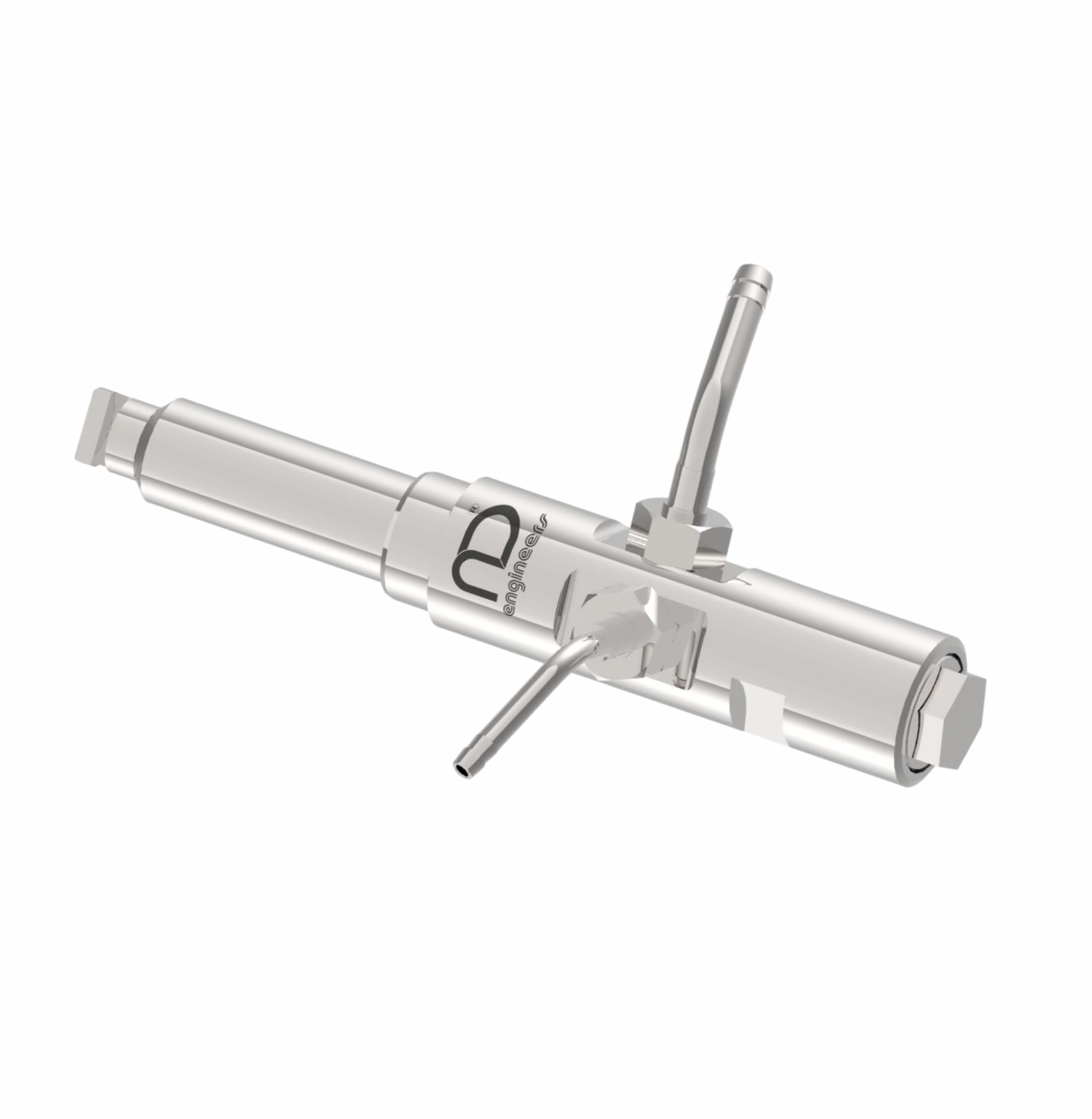
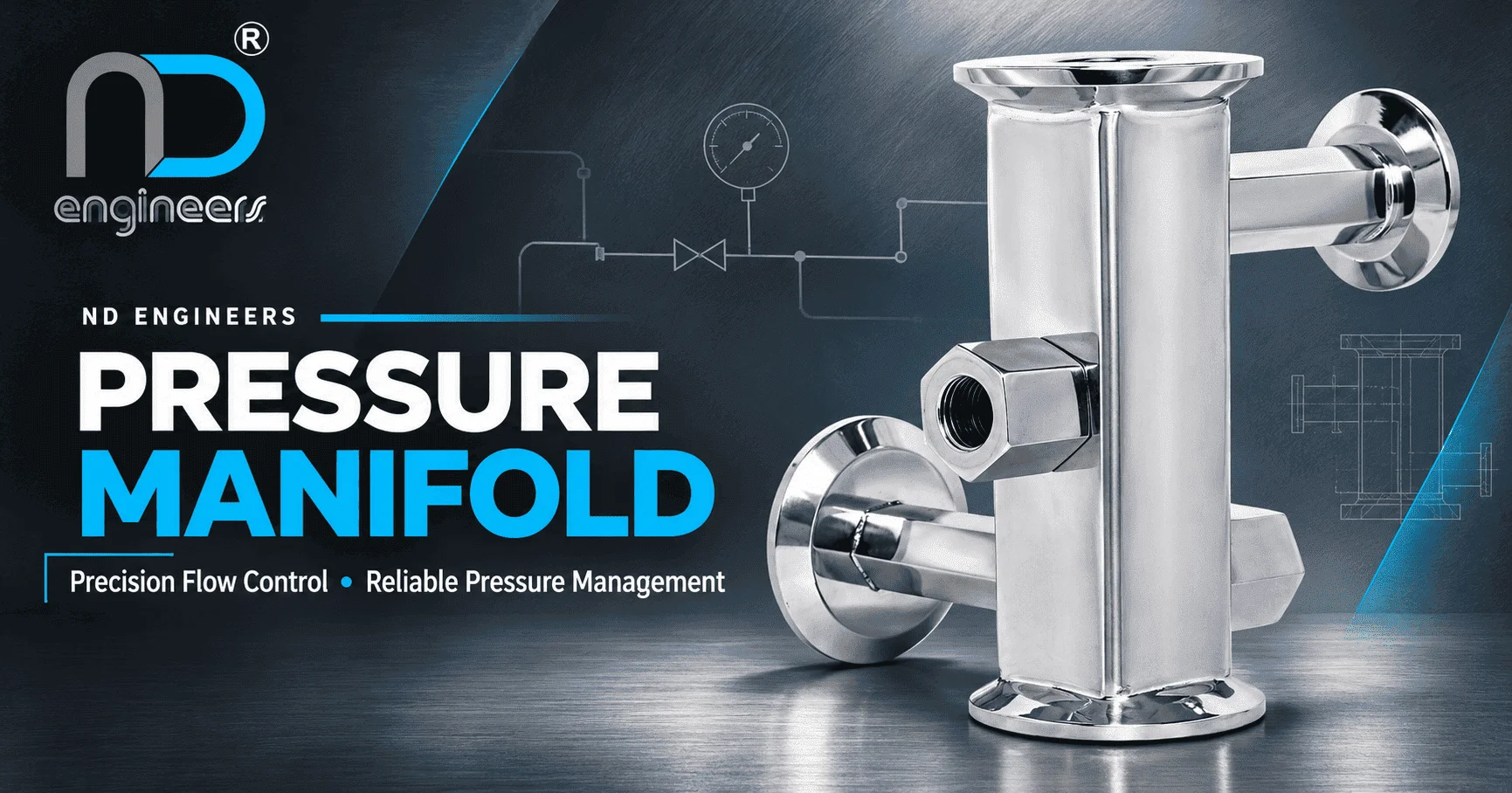
Pressure manifold
A pressure manifold is a critical component designed to consolidate plumbing and minimize connections within a fluid handling system. This optimization leads to a more compact, efficient, and reliable setup, essential for applications demanding precise fluid dispensing and meticulous pressure management. Industries such as pharmaceuticals, chemical processing, and advanced packaging rely heavily on the sophisticated functionality that pressure manifolds provide to ensure accuracy, safety, and operational efficiency.
By integrating multiple functions into a single unit, pressure manifolds significantly reduce the potential for leaks and simplify installation compared to traditional systems using discrete valves and extensive tubing. This article delves into the intricacies of pressure manifolds, exploring their design, applications, benefits, and the crucial factors to consider when selecting the right solution for your specific needs.
Understanding the Pressure Manifold
At its core, a pressure manifold acts as a central hub for controlling fluid flow and pressure. It replaces numerous individual components, such as valves, fittings, and tubing, with a single, integrated block. This design not only saves space and weight but also enhances system integrity by reducing the number of potential leak points. The precise control over fluid dynamics is paramount in many industrial processes, and a well-designed manifold ensures that these parameters are maintained consistently.
Manifolds are engineered from robust materials capable of withstanding specific operating conditions, including high pressures and corrosive fluids. Common materials include aluminum, ductile iron, and steel, chosen based on the application's chemical compatibility and pressure requirements. Different configurations exist, such as 2, 3, and 5-valve arrangements, each serving distinct purposes like remote instrument mounting, direct mounting onto devices like pressure transmitters or switches, or panel mounting for easy access and maintenance.
The complexity and design of a pressure manifold are dictated by the demands of the system it serves. For highly sensitive operations, such as those in the pharmaceutical sector where accuracy is non-negotiable, manifolds are precision-engineered to deliver repeatable results. They are instrumental in ensuring that fluids are dispensed in exact quantities and at the required pressures, contributing directly to product quality and process validation.
Applications of Pressure Manifolds
The versatility and precision offered by pressure manifolds make them indispensable across a wide spectrum of industries. Their ability to manage fluid flow and pressure accurately opens up numerous possibilities for process optimization and enhanced control.
Pharmaceutical Industry
In pharmaceutical manufacturing, precision is paramount. Pressure manifolds are utilized in volumetric syringe filling machines and dosing pump systems to ensure accurate and consistent delivery of liquid medications, APIs, and excipients. They maintain stable pressures and flow rates, crucial for product efficacy and patient safety.
Packaging Machinery
For packaging lines, particularly those involving liquids, semi-solids, or viscous materials, pressure manifolds regulate the flow for filling operations. They are integral to systems that dispense precise volumes into containers, ensuring product consistency and reducing waste.
Chemical Processing
Chemical plants employ pressure manifolds for controlling the flow of various reagents, catalysts, and process fluids. Their robust construction and leak-resistant design are vital for handling potentially hazardous or corrosive substances safely and efficiently.
Instrumentation and Control
Pressure manifolds are commonly used in conjunction with instruments such as differential pressure (DP) transmitters, pressure gauges, and pressure switches. They facilitate the isolation, calibration, and venting of these instruments, simplifying maintenance and ensuring accurate readings.
Key Benefits of Utilizing Pressure Manifolds
Implementing a pressure manifold system offers substantial advantages over traditional plumbing configurations. These benefits translate into improved operational efficiency, enhanced safety, and long-term cost savings.
- Reduced Leak Paths: Consolidating multiple connections into a single block dramatically decreases the potential points of failure and leakage, enhancing system safety and reliability.
- Compact Design: The integrated nature of manifolds leads to a smaller footprint, saving valuable space in machinery and control panels.
- Simplified Installation: Fewer components and connections mean quicker and easier installation, reducing labor costs and system downtime.
- Improved Accuracy: Precise fluid control and stable pressure management are crucial for applications requiring exact dispensing, ensuring consistent product quality.
- Enhanced Durability: Constructed from robust materials, manifolds are designed to withstand demanding operational environments, including high pressures and aggressive media.
- Lower Maintenance: With fewer parts to maintain and inspect, the overall maintenance burden is reduced, leading to increased operational uptime.
Buyer's Guide: Selecting the Right Pressure Manifold
Choosing the appropriate pressure manifold is crucial for ensuring optimal performance, safety, and longevity of your fluid handling system. Several factors must be carefully considered to match the manifold’s capabilities with your specific application requirements.
Key Selection Criteria:
- Pressure Rating: Determine the maximum operating pressure of your system. Manifolds are available for a wide range of pressures, from standard industrial levels to high-pressure applications exceeding 10,000 psi (700 bar) or even custom designs up to 15,000 psi (1040 bar).
- Material Compatibility: Select a material (e.g., stainless steel, carbon steel, aluminum) that is compatible with the fluids being handled to prevent corrosion and ensure system integrity.
- Number of Valves and Configuration: Consider the specific control functions required. Common configurations include 2, 3, and 5-valve designs, suitable for isolation, bleeding, venting, or instrument mounting.
- Port Size and Type: Ensure the manifold’s port sizes and connection types (e.g., NPT, BSP) are compatible with your existing plumbing and instrumentation.
- Temperature Range: Verify that the manifold can operate reliably within your system’s expected temperature fluctuations.
- Application Environment: Consider factors like vibration, potential for contamination, and regulatory requirements of the environment where the manifold will be installed.
Buyer Insight:
When specifying a pressure manifold, do not overlook the importance of flow characteristics. While pressure ratings are critical, the manifold's internal geometry also affects flow resistance, which can impact system performance, especially in high-flow applications. Discuss your flow requirements with the manufacturer.
Quality Checks and Assurance
Ensuring the quality of a pressure manifold is vital for operational safety and reliability. Reputable manufacturers implement stringent quality control measures throughout the production process. This typically includes:
- Material Verification: Confirming that the raw materials meet specified standards and are suitable for the intended application.
- Machining Precision: Ensuring that internal passages and sealing surfaces are machined to tight tolerances for optimal performance and leak prevention.
- Pressure Testing: Conducting hydrostatic or pneumatic tests to verify the manifold’s integrity at or above its rated pressure.
- Functional Checks: Testing valve operation and sealing to ensure proper functionality.
Questions to Ask Before Buying
To ensure you procure the most suitable pressure manifold, consider asking potential suppliers the following questions:
- What is the maximum rated pressure and temperature for this manifold model?
- What materials are used in its construction, and are they compatible with my specific fluid?
- What valve configurations are available, and which best suits my application?
- What are the standard port sizes and connection types offered? Can custom options be provided?
- What quality control and testing procedures are followed during manufacturing?
- Can you provide detailed dimensional drawings and material certifications?
- What is the lead time for production and delivery?
ND ENGINEERS: Your Partner for Precision Fluid Handling Solutions
ND ENGINEERS (NavDurga Engineers) specializes in manufacturing high-quality spares and accessories for pharmaceutical and packaging machinery. Their expertise extends to providing reliable solutions for precise fluid dispensing, including advanced dosing pumps and volumetric syringes.
Understanding the critical need for accuracy and reliability in these sensitive industries, ND ENGINEERS offers components like metal dosing pumps designed for compatibility with various filling machine brands. Their product portfolio also encompasses solutions relevant to pressure management systems, including high-pressure manifolds. These are engineered to meet the demanding requirements of pharmaceutical and packaging applications where precise fluid control and consistent performance are non-negotiable. By focusing on robust construction and functional design, ND ENGINEERS aims to deliver components that enhance operational efficiency and ensure the integrity of your production processes.
Frequently Asked Questions about Pressure Manifolds
What is the primary function of a pressure manifold?
A pressure manifold's primary function is to consolidate multiple fluid connections and control points into a single, compact unit. This reduces system complexity, minimizes potential leak paths, and facilitates precise control over fluid flow and pressure.
How do pressure manifolds benefit the pharmaceutical industry?
In the pharmaceutical industry, pressure manifolds ensure the accurate and consistent dispensing of medications and other fluids. They help maintain stable pressures and flow rates, which are critical for product efficacy, batch consistency, and regulatory compliance.
Can pressure manifolds be used for high-pressure applications?
Yes, pressure manifolds can be designed to handle very high pressures. Standard industrial configurations often handle up to 10,000 psi (700 bar), with custom designs capable of reaching 15,000 psi (1040 bar) or more, depending on the material and engineering specifications.
What is the difference between a 3-valve and a 5-valve manifold?
A 3-valve manifold typically includes two isolation valves and one bleed/vent valve, commonly used for instrument isolation and calibration. A 5-valve manifold offers more control, often including two block valves, two equalizer valves, and a vent valve, providing greater flexibility for differential pressure instrument applications.
Request Your Custom Pressure Manifold Solution
For applications demanding precise fluid control and robust system integrity, a tailored pressure manifold solution is essential. ND ENGINEERS offers expertise in manufacturing high-quality components for pharmaceutical and packaging machinery.
Contact us today to discuss your specific requirements and explore how our precision-engineered pressure manifolds can optimize your operations.
Get a Quote