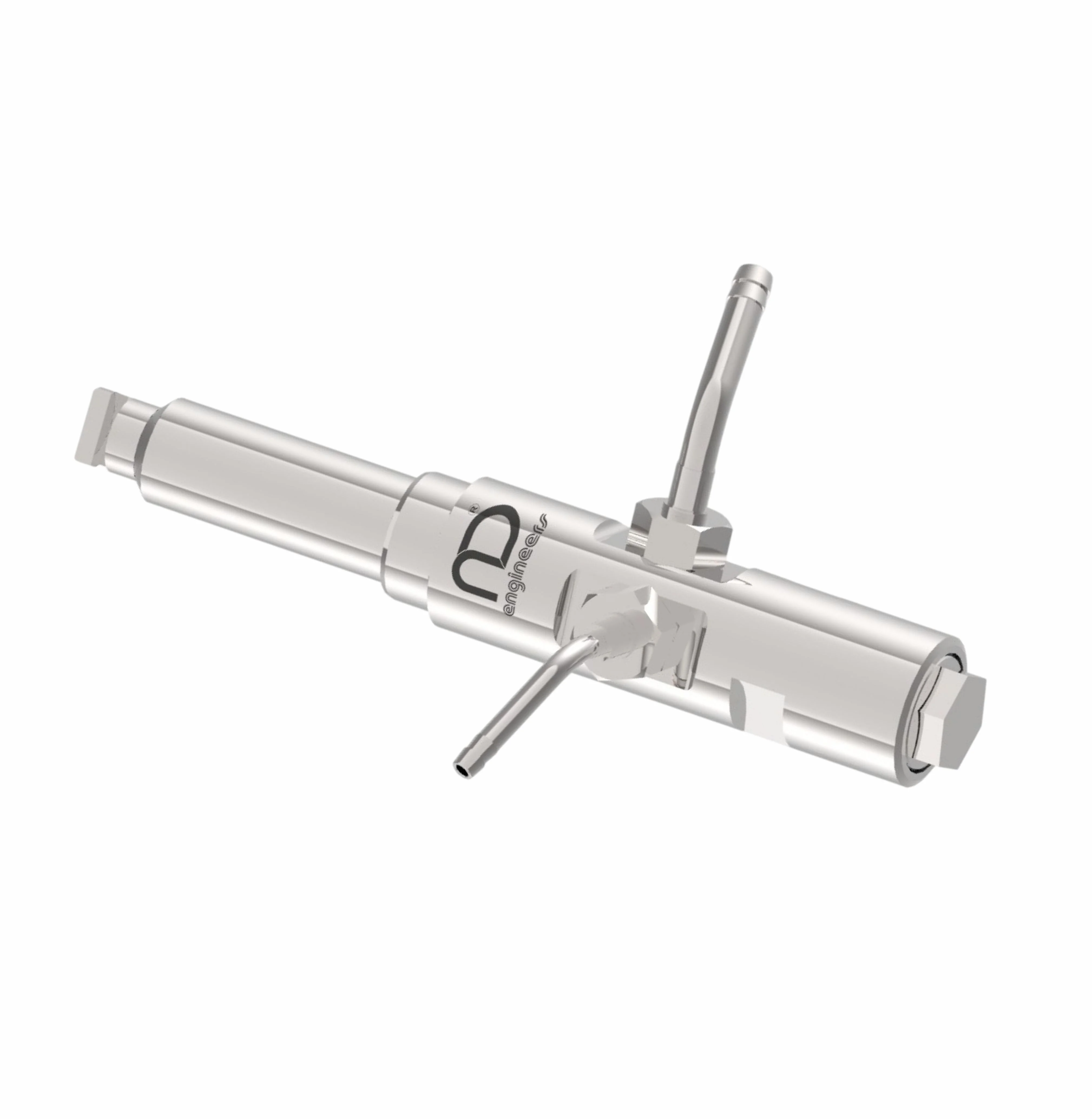
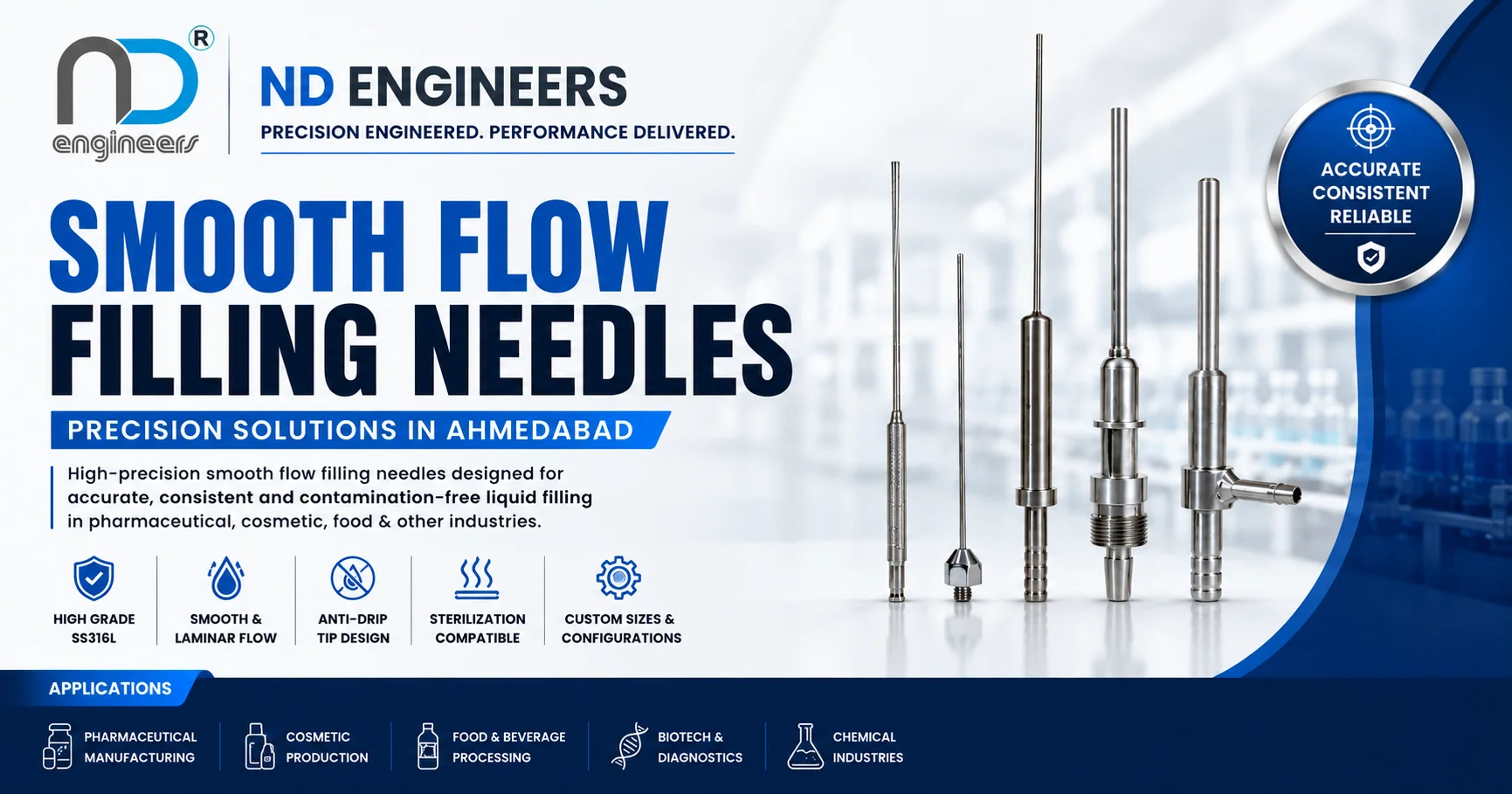
Smooth flow filling needle
Discover precision smooth flow filling needles in Ahmedabad. Nd Engineers provides durable, accurate solutions for pharmaceutical and packaging machinery, ensur
Why This Matters in Ahmedabad
Ahmedabad stands as a significant industrial and pharmaceutical hub within India, housing numerous manufacturing units that demand high-precision components for their production lines. The city's robust pharmaceutical sector, in particular, requires filling solutions that meet stringent quality and hygiene standards. Local access to advanced smooth flow filling needles ensures that manufacturers can maintain uninterrupted production, reduce downtime, and quickly adapt to evolving product requirements without extensive logistical delays. This local availability supports the region's industrial growth and its commitment to quality output.
What Is a Smooth Flow Filling Needle — Overview
A smooth flow filling needle is a specialized component designed for the accurate and controlled dispensing of liquids into containers. Unlike standard needles, its internal geometry and surface finish are optimized to promote laminar flow, minimizing turbulence and preventing air entrapment or dripping at the nozzle. Typically constructed from high-grade stainless steel, such as SS316L, these needles are crucial for volumetric filling machines in sensitive applications. Their design ensures that the dispensed liquid maintains its integrity and that each container receives the exact specified volume, which is vital for product efficacy and consumer safety.
Key Features and Technical Specifications
- High-Grade Material: Constructed from SS316L stainless steel for superior corrosion resistance and compatibility with various liquids, including sterile and corrosive substances.
- Optimized Internal Bore: Precision-machined internal surfaces and specific bore diameters to facilitate laminar flow, reducing shear stress on sensitive liquids.
- Anti-Drip Tip Design: Engineered tip geometry, often with a blunt or slightly beveled edge, to prevent post-fill dripping and ensure clean cut-off.
- Sterilization Compatibility: Designed to withstand repeated sterilization cycles, including CIP (Clean-in-Place) and SIP (Sterilize-in-Place) processes, without material degradation.
- Customizable Lengths and Diameters: Available in a range of lengths and internal/external diameters to match specific filling volumes, container sizes, and machine requirements.
- Secure Connection Mechanism: Features standard or custom connection types for secure, leak-proof integration with filling machine manifolds and pumps.
- Surface Finish: Internal and external surfaces polished to a specific Ra (Roughness average) value to minimize particle adhesion and facilitate cleaning.
Industrial Applications and Use Cases
- Pharmaceutical Manufacturing: Filling of vials, ampoules, syringes, and bottles with sterile injectables, oral solutions, and ophthalmic preparations.
- Cosmetic Production: Dispensing lotions, creams, serums, and liquid makeup into various packaging formats, ensuring precise fill levels.
- Food and Beverage Processing: Accurate filling of sauces, flavorings, dairy products, and specialized beverages where hygiene and consistency are critical.
- Biotechnology and Diagnostics: Precise dispensing of reagents, buffers, and biological samples into test kits and laboratory containers.
- Chemical and Specialty Fluids: Controlled filling of industrial chemicals, lubricants, and other specialized liquids requiring exact volumes.
- Veterinary Pharmaceuticals: Accurate dosing of animal health products into vials and bottles, maintaining product integrity and efficacy.
How to Choose the Right Smooth Flow Filling Needle
Selecting the appropriate smooth flow filling needle involves evaluating several technical and operational factors to ensure optimal performance and product quality. A careful assessment helps prevent common filling issues like dripping, foaming, or inaccurate volumes.
- Liquid Viscosity and Characteristics: Consider the fluid's viscosity, surface tension, and any particulate matter. Thicker liquids may require larger bore needles, while shear-sensitive fluids need designs that minimize turbulence.
- Fill Volume and Accuracy Requirements: Match the needle's internal diameter and length to the target fill volume and the required accuracy. Smaller volumes often demand finer needles for precise control.
- Machine Compatibility: Verify that the needle's connection type, length, and diameter are compatible with your existing filling machine's manifold, pump, and indexing system.
- Material Compatibility and Sterilization: Ensure the needle material (e.g., SS316L) is chemically compatible with the product being filled and can withstand the required sterilization methods (CIP/SIP, autoclaving).
- Tip Geometry: Choose a tip design (e.g., blunt, bevel, tapered) that is suitable for the container opening and minimizes splashing or foaming during dispensing. Anti-drip features are crucial for clean fills.
- Supplier Experience and Support: Partner with a manufacturer that demonstrates a deep understanding of filling applications, offers customization, and provides reliable technical support and spare parts.
Quality Standards and Compliance
For smooth flow filling needles, adherence to rigorous quality standards is non-negotiable, particularly in regulated industries. Manufacturers should ensure their products comply with international and national benchmarks. Key standards include ISO 9001 for quality management systems, which ensures consistent production processes. For pharmaceutical applications, compliance with Good Manufacturing Practices (GMP) is essential, covering material traceability, surface finish, and cleanliness. Buyers should verify that the needles are made from certified materials like SS316L, with documented material test certificates. Furthermore, the internal and external surface finishes must meet specific Ra values to prevent microbial growth and facilitate thorough cleaning, aligning with pharmaceutical industry requirements.
Why Nd Engineers Experience and Capability Matters
Nd Engineers, established in Ahmedabad in 2010, brings over a decade of specialized experience in manufacturing pharmaceutical and packaging machinery spares. Our focus on smooth flow filling needles is backed by a deep understanding of the precision required in these critical applications. We leverage advanced manufacturing processes and stringent quality control measures to produce needles that meet exact specifications and industry standards. Our team's technical capability allows for precise machining, ensuring optimal internal bore finishes and anti-drip tip designs. We are committed to customer concentricity, offering customization options to integrate seamlessly with various filling machine brands and specific product requirements, all while maintaining reliable delivery and comprehensive after-sales support. Our certifications, including GMP and ISO, reflect our dedication to maintaining high standards in every product we deliver.
Installation, Maintenance and Care Tips
Proper installation and routine maintenance are crucial for maximizing the lifespan and performance of smooth flow filling needles. When installing, ensure the needle is securely seated in the manifold, with all connections tightened to prevent leaks, but avoid over-tightening which can damage threads. Always handle needles carefully to prevent bending or scratching the delicate tip and internal surfaces.
For maintenance, regular cleaning is paramount. Implement a robust CIP/SIP protocol appropriate for your product and needle material. After cleaning, thoroughly rinse and dry the needles to prevent residue buildup or corrosion. Periodically inspect needles for signs of wear, such as tip damage, internal scratches, or blockages, which can compromise filling accuracy and flow. Store spare needles in a clean, dry, and protected environment to prevent contamination or physical damage. Replacing needles at recommended intervals, or when wear is evident, helps maintain consistent filling performance and product quality.
Frequently Asked Questions
Smooth flow filling needles are predominantly manufactured from high-grade stainless steel, most commonly SS316L. This material is chosen for its excellent corrosion resistance, biocompatibility, and durability, making it suitable for contact with a wide range of pharmaceutical, cosmetic, and food products. The precise composition ensures it can withstand rigorous cleaning and sterilization processes without degradation.
Smooth flow filling needles prevent dripping primarily through their optimized internal geometry and specialized tip design. The internal bore is engineered to promote laminar flow, minimizing turbulence that could lead to residual drops. The tip itself is often blunt or features a clean cut-off design, which helps break the liquid's surface tension cleanly at the end of the fill cycle, ensuring a precise and drip-free dispense.
While smooth flow filling needles are designed for broad compatibility, specific models are tailored to integrate with various filling machine brands and types. Compatibility depends on factors like the needle's connection mechanism, overall length, and diameter. It is crucial to verify the specifications of the filling needle against your existing machine's manifold and pump system to ensure a proper and secure fit.
The lifespan of a smooth flow filling needle can vary significantly based on several factors, including the type of liquid being dispensed, the frequency of use, the cleaning and sterilization methods employed, and the handling practices. With proper care and maintenance, high-quality needles can last for an extended period. Regular inspection for wear and tear is essential to determine when replacement is necessary to maintain accuracy.
Yes, smooth flow filling needles can often be customized to meet highly specific application requirements. Customization options include variations in length, internal and external diameters, tip geometry (e.g., blunt, beveled, side-port), and connection types. This flexibility allows manufacturers to optimize filling performance for unique container designs, liquid viscosities, and machine configurations, ensuring tailored precision.
The surface finish of a smooth flow filling needle is critically important. A highly polished internal surface, typically measured by a low Ra (Roughness average) value, minimizes friction and turbulence as the liquid passes through. This promotes true laminar flow, reduces shear stress on sensitive products, and prevents air bubble formation. Externally, a smooth finish facilitates thorough cleaning and reduces the risk of microbial adhesion, especially in sterile environments.
Conclusion
The smooth flow filling needle is a small yet indispensable component in the pursuit of precision and quality across pharmaceutical, cosmetic, and other liquid filling industries. Its specialized design ensures accurate, drip-free dispensing, directly impacting product integrity and operational efficiency. For businesses in Ahmedabad, selecting a reliable manufacturer that understands the nuances of these critical spares is paramount. Prioritizing factors like material quality, technical specifications, compliance with industry standards, and the supplier's experience ensures that your filling lines operate at their peak, delivering consistent results and maintaining product excellence.
Get In Touch
Nd Engineers