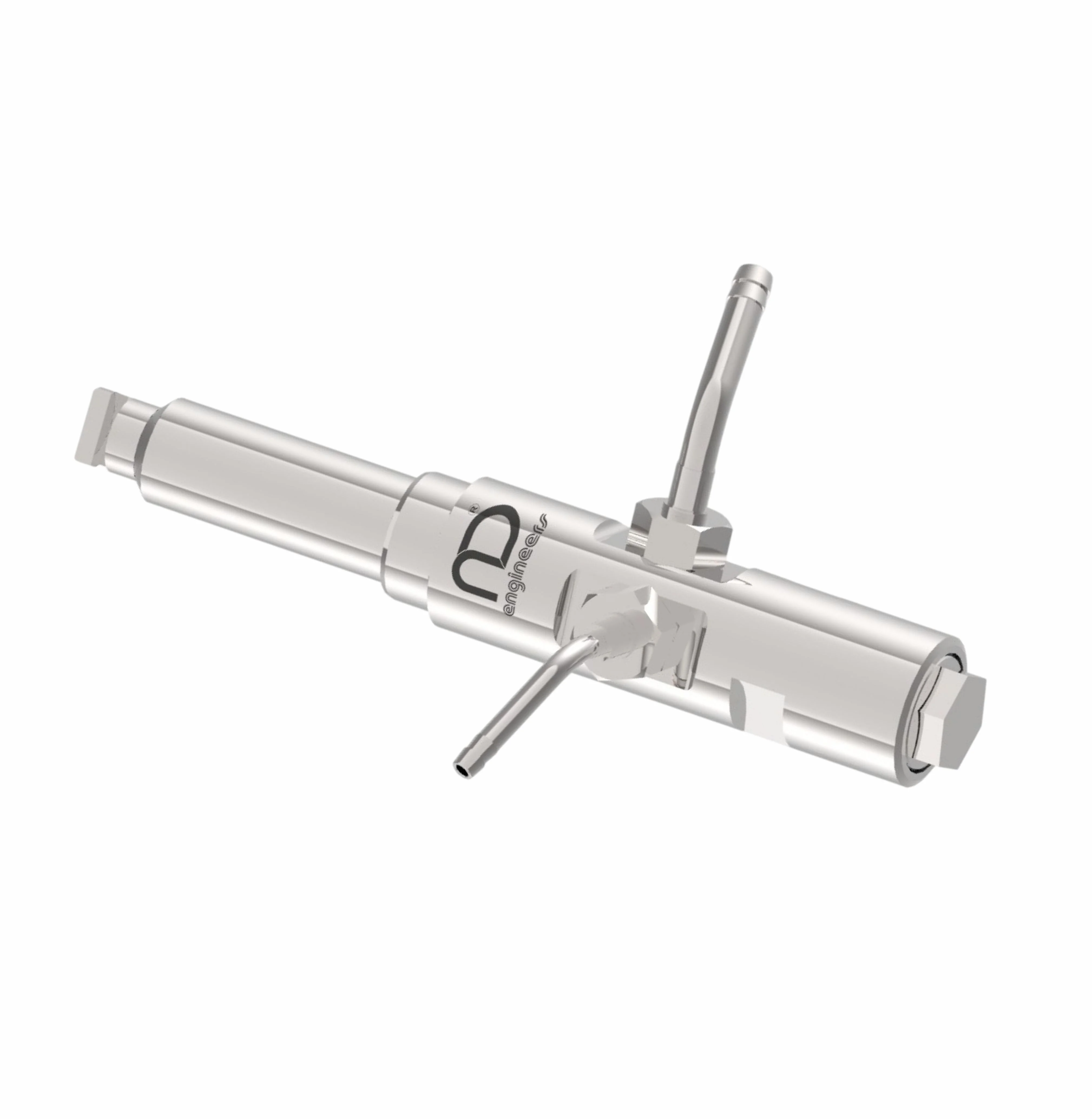
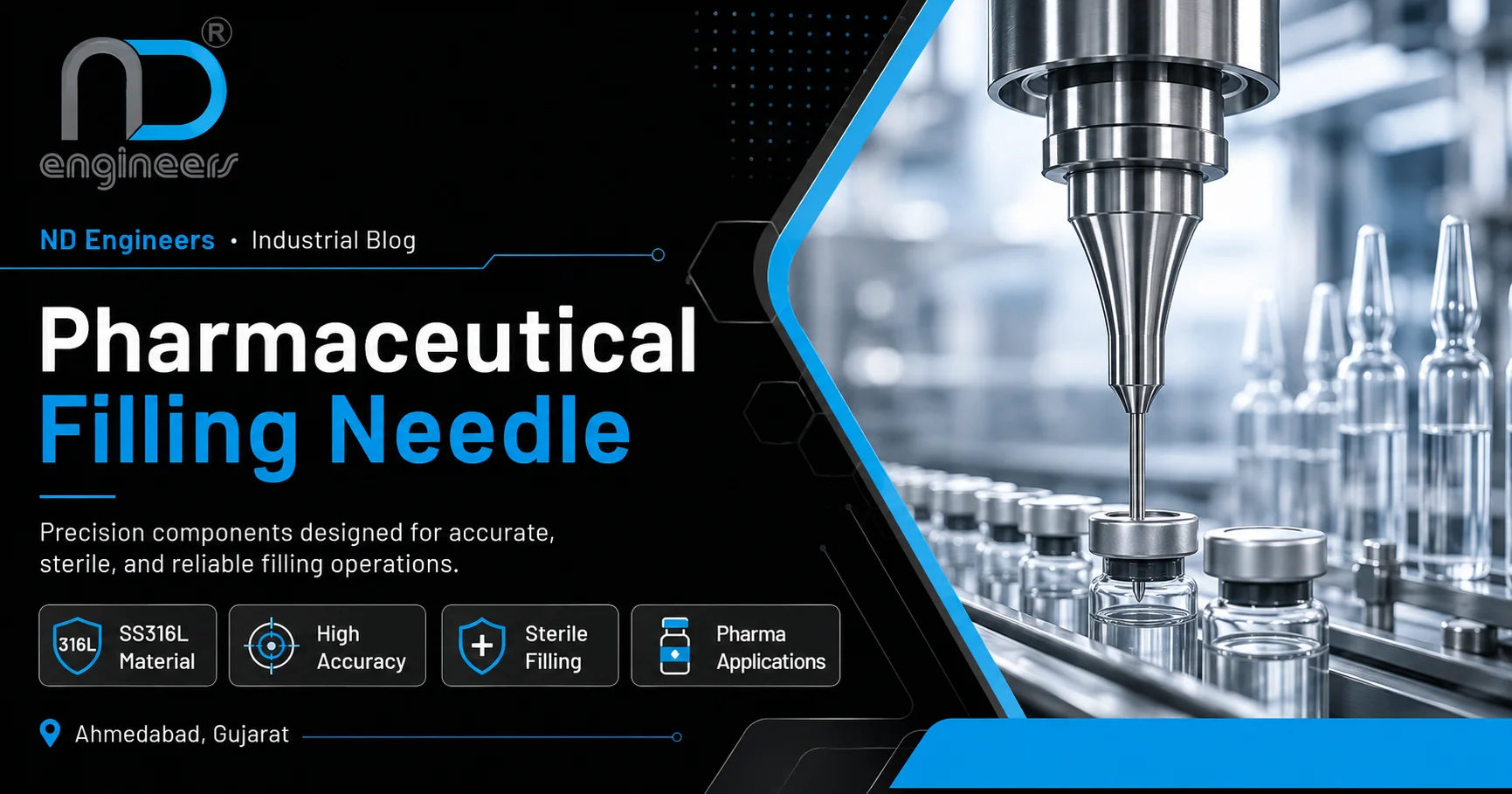
Pharmaceutical filling needle
Discover precision pharmaceutical filling needles designed for accuracy and sterility in Ahmedabad. Learn how to choose reliable components for your production
WHY THIS MATTERS IN AHMEDABAD, GUJARAT
Ahmedabad, situated in Gujarat, stands as a prominent center for pharmaceutical manufacturing and research within India. The region hosts numerous pharmaceutical companies, contract manufacturing organizations, and R&D facilities. This concentration creates a continuous need for specialized, high-precision components like pharmaceutical filling needles. Local manufacturers and suppliers who understand the specific regulatory landscape and operational demands of the regional pharma sector play a vital role in supporting this ecosystem.
WHAT IS A PHARMACEUTICAL FILLING NEEDLE — OVERVIEW
A pharmaceutical filling needle is a specialized component used in automated and semi-automated filling machines to accurately dispense liquid pharmaceutical products into vials, ampoules, syringes, and other containers. These needles are engineered for precise volume delivery, minimal product retention, and prevention of contamination. They are typically constructed from medical-grade materials, ensuring compatibility with various formulations and rigorous sterilization protocols. Their design directly impacts filling speed, accuracy, and overall product quality.
KEY FEATURES AND TECHNICAL SPECIFICATIONS
- Medical-Grade Stainless Steel (SS316L): Ensures corrosion resistance, biocompatibility, and suitability for sterile environments.
- High Precision Machining: Guarantees consistent internal diameter and smooth flow paths for accurate dosing.
- Ultra-Smooth Surface Finish: Minimizes product adhesion, reduces shear stress on sensitive formulations, and facilitates thorough cleaning.
- Variety of Tip Geometries: Includes blunt, bevel, and side-port designs to optimize filling for different viscosities and container types, preventing foaming or splashing.
- Standardized Luer Lock or Custom Connections: Ensures secure and leak-free integration with various filling machine systems.
- Electropolished Finish: Enhances surface smoothness, passivity, and resistance to microbial adhesion.
- Traceability: Each needle can be traced back to its manufacturing batch and material source for quality assurance.
INDUSTRIAL APPLICATIONS AND USE CASES
- Vial Filling Lines: Dispensing injectable solutions, vaccines, and lyophilized products into glass or plastic vials.
- Ampoule Filling Machines: Precisely filling liquid medications into small, sealed glass ampoules.
- Pre-filled Syringe Production: Accurate dosing of drug products into pre-sterilized syringes for direct patient use.
- Ophthalmic Solution Packaging: Filling eye drops and other sterile liquid formulations into small dropper bottles.
- Diagnostic Reagent Dispensing: Precise handling of sensitive reagents for laboratory and medical diagnostic kits.
- Viscous Liquid Handling: Specialized needles designed to manage high-viscosity fluids without clogging or dripping.
- Biopharmaceutical Production: Ensuring sterile and accurate filling of biologics and sensitive protein solutions.
HOW TO CHOOSE THE RIGHT PHARMACEUTICAL FILLING NEEDLE
Selecting the appropriate pharmaceutical filling needle involves several critical considerations to ensure optimal performance and compliance. Buyers must evaluate their specific application requirements, machine compatibility, and regulatory obligations. A thorough assessment helps in making an informed decision that supports production efficiency and product integrity.
- Material Compatibility: Verify the needle material (e.g., SS316L) is compatible with the pharmaceutical product being filled, preventing leaching or degradation.
- Gauge and Length: Match the needle gauge (diameter) and length to the product viscosity, fill volume, and container opening to ensure efficient flow and minimize splashing.
- Tip Design: Choose a tip geometry (blunt, bevel, side-port) that suits the product characteristics and container type, optimizing flow and preventing damage to stoppers or seals.
- Sterilization Method Compatibility: Confirm the needle can withstand your chosen sterilization methods, such as autoclaving, gamma irradiation, or ETO.
- Surface Finish and Electropolishing: Prioritize needles with an ultra-smooth, electropolished finish to reduce particle shedding, product retention, and ease of cleaning.
- Supplier Experience and Reputation: Partner with manufacturers known for their precision engineering, quality control, and understanding of pharmaceutical industry demands.
- Customization Capabilities: Assess if the supplier can provide custom designs for unique filling machine interfaces or specific product requirements.
- Documentation and Certifications: Ensure the supplier provides comprehensive material certificates, conformity declarations, and adheres to relevant quality standards.
QUALITY STANDARDS AND COMPLIANCE
In pharmaceutical manufacturing, adherence to strict quality standards is non-negotiable for all components, including filling needles. Manufacturers must ensure their products meet international benchmarks such as ISO 9001 for quality management systems and often ISO 13485 for medical devices, even for components. Material traceability, surface roughness specifications, and dimensional accuracy are critical parameters that must be rigorously controlled and documented. Compliance with Good Manufacturing Practices (GMP) is also essential, requiring robust validation processes and consistent product quality to prevent contamination and ensure product integrity.
WHY ND ENGINEERS EXPERIENCE AND CAPABILITY MATTERS
Nd Engineers, established in Ahmedabad in 2010, has built a reputation for manufacturing pharmaceutical and packaging machinery spares and accessories. Our focus on precision engineering and material science ensures that our pharmaceutical filling needles meet the demanding requirements of the industry. We understand the critical nature of these components in sterile filling operations and apply stringent quality control measures throughout our manufacturing process. Our team's technical capability allows for the production of needles with specific tip geometries, gauges, and finishes, ensuring compatibility with various filling machines and product types. We are committed to customer concentricity, delivering reliable solutions that support efficient and compliant pharmaceutical production. Our certifications, including GMP, ISO, IAF, and MSME, reflect our dedication to maintaining high standards in all our offerings.
INSTALLATION, MAINTENANCE AND CARE TIPS
Proper installation, regular maintenance, and careful handling are crucial for extending the lifespan and ensuring the consistent performance of pharmaceutical filling needles. These practices also help maintain sterility and prevent costly production interruptions. Following established protocols for cleaning and inspection is essential for any pharmaceutical manufacturing environment.
- Gentle Installation: Always handle needles with care during installation to avoid bending or damaging the tip. Ensure a secure, leak-free connection to the filling machine's manifold.
- Regular Cleaning: Implement a robust cleaning-in-place (CIP) or sterilization-in-place (SIP) protocol compatible with the needle material. Thoroughly rinse and clean needles after each production batch to prevent residue buildup.
- Visual Inspection: Routinely inspect needles for any signs of wear, corrosion, bending, or tip damage. Even minor imperfections can affect filling accuracy and product integrity.
- Proper Storage: Store spare and cleaned needles in sterile, protective packaging to prevent contamination and physical damage when not in use.
- Scheduled Replacement: Establish a replacement schedule based on usage, wear, and product sensitivity. Proactive replacement prevents unexpected failures and maintains filling precision.
- Avoid Abrasives: Do not use abrasive cleaning agents or tools that could scratch the electropolished surface, as this can compromise sterility and increase product adhesion.
FREQUENTLY ASKED QUESTIONS
Pharmaceutical filling needles are predominantly manufactured from high-grade stainless steel, specifically SS316L. This material is chosen for its excellent corrosion resistance, biocompatibility, and ability to withstand rigorous sterilization processes. Its smooth surface finish is crucial for minimizing product adhesion and ensuring hygienic operation in sterile environments.
The needle gauge, which refers to its outer diameter, significantly impacts filling operations. A finer gauge (higher number) is suitable for low-viscosity liquids and smaller fill volumes, reducing product shear. A larger gauge (lower number) is often used for viscous products or faster filling speeds, preventing clogging and ensuring efficient flow into the container.
An ultra-smooth, often electropolished, surface finish is critical for pharmaceutical filling needles. It minimizes product retention, reduces the risk of particle shedding, and facilitates thorough cleaning and sterilization. A superior surface finish also helps prevent damage to sensitive biological products and ensures consistent, accurate dispensing.
Yes, pharmaceutical filling needles are specifically designed for seamless integration with both semi-automatic and fully automated filling lines. They feature standardized connections, such as Luer locks or custom interfaces, to ensure secure attachment to various filling machine manifolds. This compatibility is essential for high-volume, efficient pharmaceutical production.
The replacement frequency for pharmaceutical filling needles depends on several factors, including usage intensity, the abrasiveness of the product being filled, and the cleaning protocols. Regular visual inspection for wear, corrosion, or damage is crucial. Many facilities implement a proactive replacement schedule based on operational hours or a set number of cycles to maintain optimal precision and sterility.
A reputable manufacturer of pharmaceutical filling needles should hold certifications such as ISO 9001 for quality management and ideally GMP (Good Manufacturing Practices) compliance, especially for components used in sterile environments. Material traceability documentation and adherence to specific industry standards like those for medical devices (e.g., ISO 13485) further demonstrate a commitment to quality and regulatory compliance.
Conclusion
The selection and maintenance of pharmaceutical filling needles are critical aspects of ensuring product quality, safety, and operational efficiency in the pharmaceutical industry. From material composition and precision engineering to adherence to stringent quality standards, every detail matters. Partnering with an experienced manufacturer like Nd Engineers in Ahmedabad provides access to components designed for reliability and performance. By focusing on the right specifications and implementing proper care, pharmaceutical manufacturers can optimize their filling processes and uphold the integrity of their valuable products.
Get In Touch
Nd Engineers