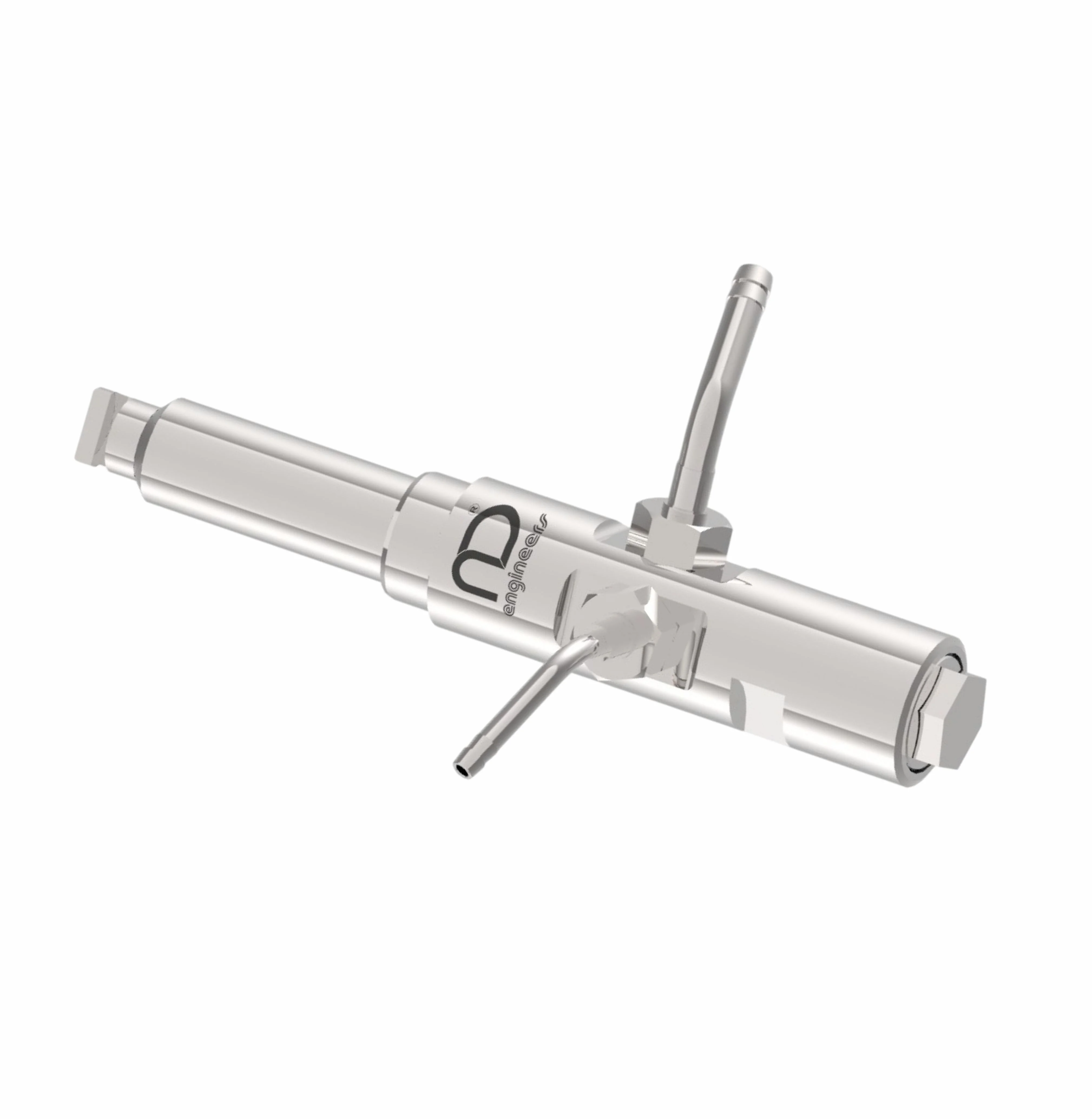
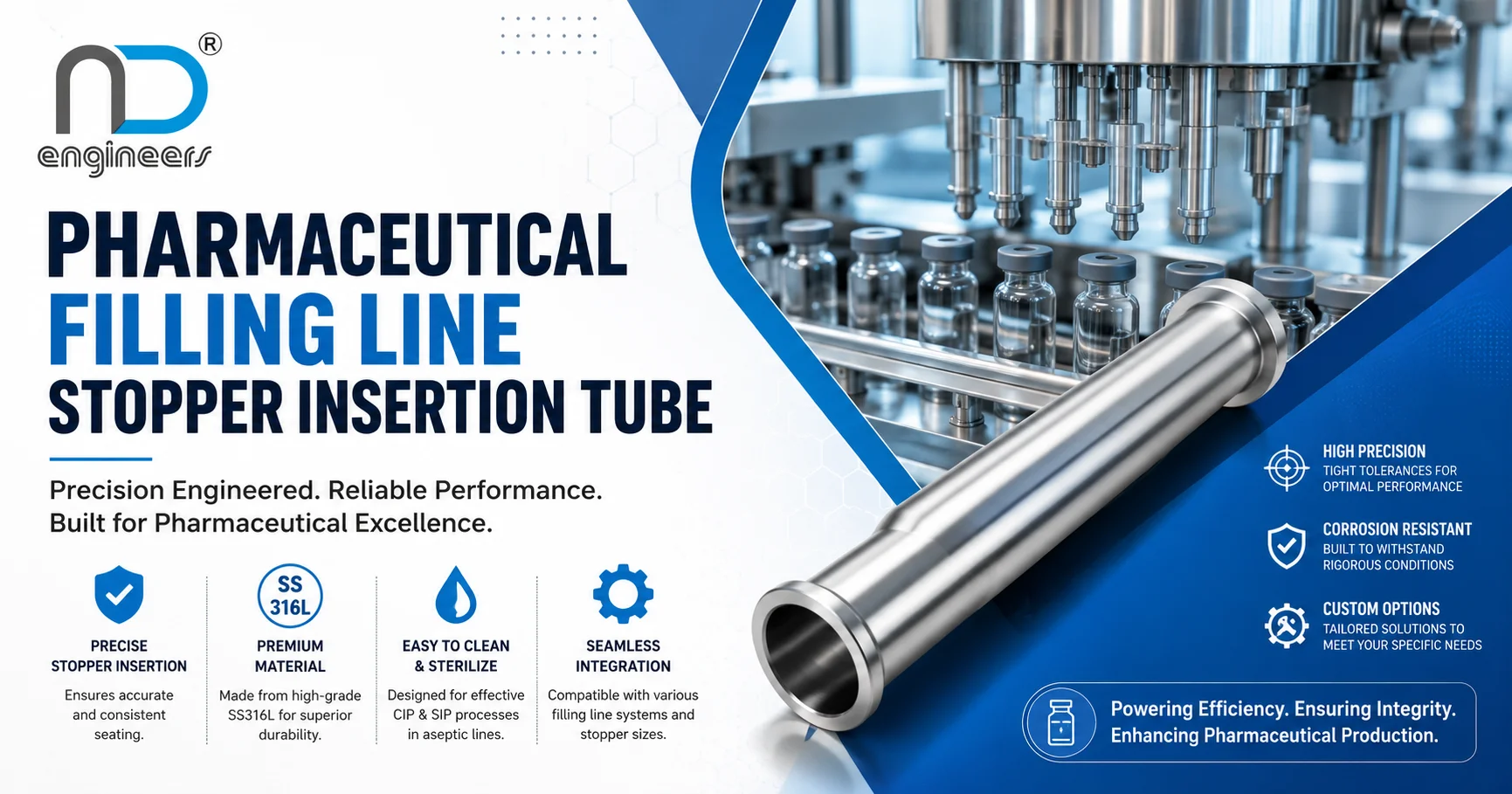
pharmaceutical filling line stopper insertion tube
Expertly crafted stopper insertion tubes for pharmaceutical filling lines in Ahmedabad. Ensure precision and reliability with NavDurga Engineers.
Why This Matters in Ahmedabad
Ahmedabad stands as a significant hub for pharmaceutical manufacturing in India, boasting a robust ecosystem of production facilities and ancillary industries. The city's industrial landscape thrives on precision engineering and reliable supply chains for critical machinery components. Pharmaceutical companies here require specialized parts that meet rigorous quality standards to maintain their competitive edge and comply with regulatory requirements. Ensuring the correct functioning of filling lines, including the precise insertion of stoppers, directly impacts production output and product quality, making the selection of high-quality stopper insertion tubes a key concern for Ahmedabad-based pharmaceutical businesses.
What is a Pharmaceutical Filling Line Stopper Insertion Tube? — Overview
A pharmaceutical filling line stopper insertion tube is a specialized component designed to accurately and efficiently place rubber stoppers onto vials or bottles as they move through the filling and sealing process. These tubes are engineered to precisely guide the stopper from a bulk supply system to the vial's opening, ensuring a consistent and secure fit. Their design must accommodate various stopper sizes and types while maintaining aseptic conditions. The primary function is to facilitate automated, high-speed stopper placement, which is crucial for maintaining the throughput and integrity of pharmaceutical packaging.
Key Features and Technical Specifications
When evaluating stopper insertion tubes, several technical aspects are critical for optimal performance and longevity:
- Material Construction: Typically manufactured from high-grade stainless steel (e.g., SS316L) or specialized polymers like PTFE, ensuring chemical inertness and resistance to corrosion.
- Surface Finish: A highly polished internal and external surface finish (e.g., Ra < 0.4 µm) is essential to prevent product adhesion and facilitate easy cleaning, crucial for aseptic environments.
- Dimensional Accuracy: Tight tolerances on internal diameter, external diameter, and length ensure precise stopper guidance and consistent seating.
- Compatibility: Designed to work seamlessly with specific types and sizes of stoppers (e.g., pre-slit, solid, various diameters).
- Aseptic Design: Features that minimize dead spaces and facilitate effective CIP (Clean-In-Place) and SIP (Sterilize-In-Place) procedures.
- Durability: Robust construction to withstand continuous operation, vibration, and repeated cleaning cycles without degradation.
- Customization Options: Availability of custom lengths, diameters, or specialized features to match unique filling line configurations.
Industrial Applications and Use Cases
Stopper insertion tubes are indispensable in various pharmaceutical packaging operations:
- Vial Filling Lines: Essential for placing stoppers on vials containing liquid medications, vaccines, or sterile solutions.
- Aseptic Filling Processes: Critical in sterile manufacturing environments where maintaining product integrity is paramount.
- Lyophilized Product Packaging: Used in lines that handle freeze-dried products, requiring precise stopper placement after filling.
- Diagnostic Reagent Packaging: Ensuring secure closure for vials containing sensitive diagnostic kits.
- Biopharmaceutical Production: Employed in the packaging of biologics and other sensitive biopharmaceutical products.
- Small Volume Parenteral (SVP) Manufacturing: Integral to the high-speed packaging of small-dose injectable medications.
- Custom Pharmaceutical Packaging: Adapted for unique product formats or specialized closure requirements.
How to Choose the Right Stopper Insertion Tube
Selecting the appropriate stopper insertion tube requires careful consideration of your specific operational needs. Here’s a checklist to guide your decision:
- Stopper Type and Size: Confirm the exact dimensions and type (e.g., butyl rubber, silicone, pre-slit) of stoppers you use. The tube's internal diameter must match precisely.
- Filling Line Speed and Throughput: Higher speeds may require tubes with optimized flow characteristics and robust construction to handle rapid cycling.
- Material Requirements: Consider the chemical compatibility with your product and cleaning agents, as well as regulatory compliance (e.g., USP Class VI for certain applications).
- Aseptic Requirements: For sterile applications, ensure the tube's design supports effective sterilization and prevents microbial contamination.
- Machine Compatibility: Verify that the tube's mounting mechanism and overall dimensions are compatible with your existing filling machine.
- Supplier's Manufacturing Expertise: Look for manufacturers with a proven track record in producing high-precision pharmaceutical components.
- Quality Certifications: Ensure the manufacturer adheres to relevant quality standards (e.g., ISO certifications).
- After-Sales Support and Customization: Assess the availability of technical support and the manufacturer's ability to provide custom solutions if needed.
Quality Standards and Compliance
In the pharmaceutical sector, adherence to stringent quality standards is non-negotiable. Stopper insertion tubes must be manufactured to meet specific industry benchmarks to ensure product safety and regulatory compliance. Manufacturers should ideally operate under an ISO 9001 certified quality management system. The materials used, particularly stainless steel grades like SS316L, must be traceable and meet pharmacopoeial standards. For critical aseptic applications, components may need to comply with USP Class VI testing or similar biocompatibility standards.
Furthermore, the surface finish and tolerances are not merely technical specifications but are directly linked to hygiene and performance. A smooth, crevice-free surface is essential for effective cleaning and sterilization, preventing the build-up of residues that could compromise product purity. Buyers should always inquire about the materials used, their certifications, and the manufacturing processes employed to ensure they meet the rigorous demands of pharmaceutical production.
Why NavDurga Engineers' Experience and Capability Matters
NavDurga Engineers brings a wealth of experience and specialized capability to the manufacturing of pharmaceutical filling line components, including stopper insertion tubes. Established in 2010 and based in Ahmedabad, we have dedicated ourselves to understanding the intricate needs of the pharmaceutical and packaging machinery sectors. Our manufacturing processes are honed to deliver precision components that meet exact specifications.
Our team comprises skilled engineers and technicians with deep expertise in material science and precision machining, ensuring that each stopper insertion tube is crafted for optimal performance and longevity. We employ rigorous quality control measures at every stage of production, from material sourcing to final inspection. This commitment to quality, combined with our ability to offer customized solutions and reliable after-sales support, makes NavDurga Engineers a trusted partner for pharmaceutical manufacturers seeking dependable components for their critical filling lines.
Installation, Maintenance, and Care Tips
Proper installation and regular maintenance are crucial for the longevity and consistent performance of your pharmaceutical filling line stopper insertion tubes.
Installation
Ensure the filling machine is powered off and all safety protocols are followed before commencing any work.
Carefully align the stopper insertion tube with the machine's designated mounting point.
Secure the tube firmly according to the machine manufacturer's guidelines, ensuring no excessive force is applied.
Verify that the tube's internal diameter is correctly aligned with the stopper feeding mechanism to prevent jams.
Maintenance and Care:
- Cleaning: Implement a strict cleaning schedule using validated cleaning agents. Thoroughly rinse and dry the tube after each cleaning cycle to prevent residue build-up.
- Inspection: Regularly inspect the tube for any signs of wear, corrosion, or damage. Pay close attention to the internal surface finish and the seating area.
- Lubrication: If the machine's design requires it, ensure appropriate lubrication is applied to moving parts associated with the stopper insertion mechanism, avoiding direct contact with the stopper tube itself unless specified.
- Sterilization: For aseptic lines, ensure the tube is compatible with your chosen sterilization method (e.g., autoclaving, SIP) and follow recommended cycles.
- Replacement: Replace the stopper insertion tube if any significant wear or damage is detected that could compromise its function or product integrity.
Frequently Asked Questions
A1: These tubes are commonly made from high-grade stainless steel, such as SS316L, due to its excellent corrosion resistance and durability. In some applications, specialized polymers like PTFE or PEEK may be used for their specific chemical inertness and non-stick properties.
A2: Compatibility is primarily determined by the internal diameter of the tube, which must precisely match the outer diameter of the stopper. It's also important to consider the stopper's material and any specific features like pre-slits, ensuring the tube's design facilitates smooth passage and seating.
A3: A smooth, highly polished surface finish (low Ra value) is critical in pharmaceutical applications to prevent product or stopper material from adhering to the tube. This ensures easy cleaning, effective sterilization, and prevents cross-contamination, maintaining product purity.
A4: Yes, customization is often possible. Manufacturers can adjust dimensions like length and diameter, modify end configurations, or incorporate specific features to meet the unique demands of different filling machines and packaging processes.
A5: The replacement frequency depends on usage, operating conditions, and maintenance practices. Regular inspections are key; replace the tube if signs of wear, corrosion, deformation, or surface degradation are observed that could affect its performance or product integrity.
A6: A poorly fitting tube can lead to several issues, including stopper jamming, incorrect stopper placement (e.g., tilted or loose), damage to the stoppers, reduced filling line speed, and potential contamination of the product. This can result in rejected batches and production downtime.
Conclusion
For pharmaceutical manufacturers in Ahmedabad and beyond, the stopper insertion tube is a critical component that directly influences the efficiency, accuracy, and sterility of their filling lines. Selecting a tube made from appropriate materials, with precise dimensions and a superior surface finish, is essential. Partnering with experienced manufacturers like NavDurga Engineers, who understand the stringent requirements of the pharmaceutical industry and possess the capability to deliver high-quality, reliable components, ensures that your packaging operations run smoothly and meet the highest standards of product integrity.
Get In Touch
Nd Engineers