High pressure manifold
High-pressure manifolds are indispensable components in numerous industrial sectors, facilitating precise control over fluid and gas flow under demanding conditions. They serve as central hubs for managing complex piping systems, significantly enhancing operational safety, efficiency, and reliability. Understanding their function, benefits, and selection criteria is crucial for any operation relying on robust fluid handling systems.
What is a High Pressure Manifold?
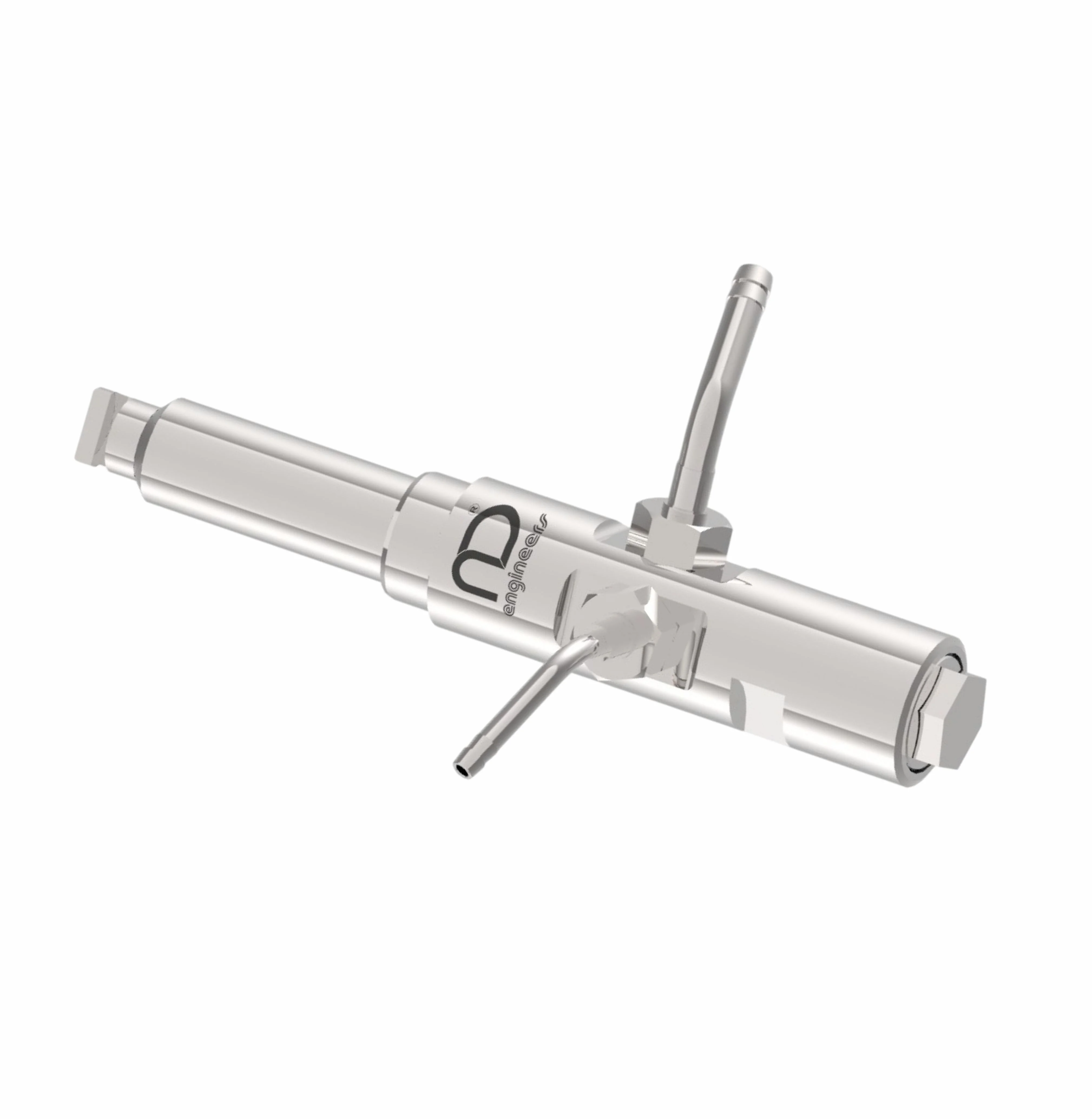
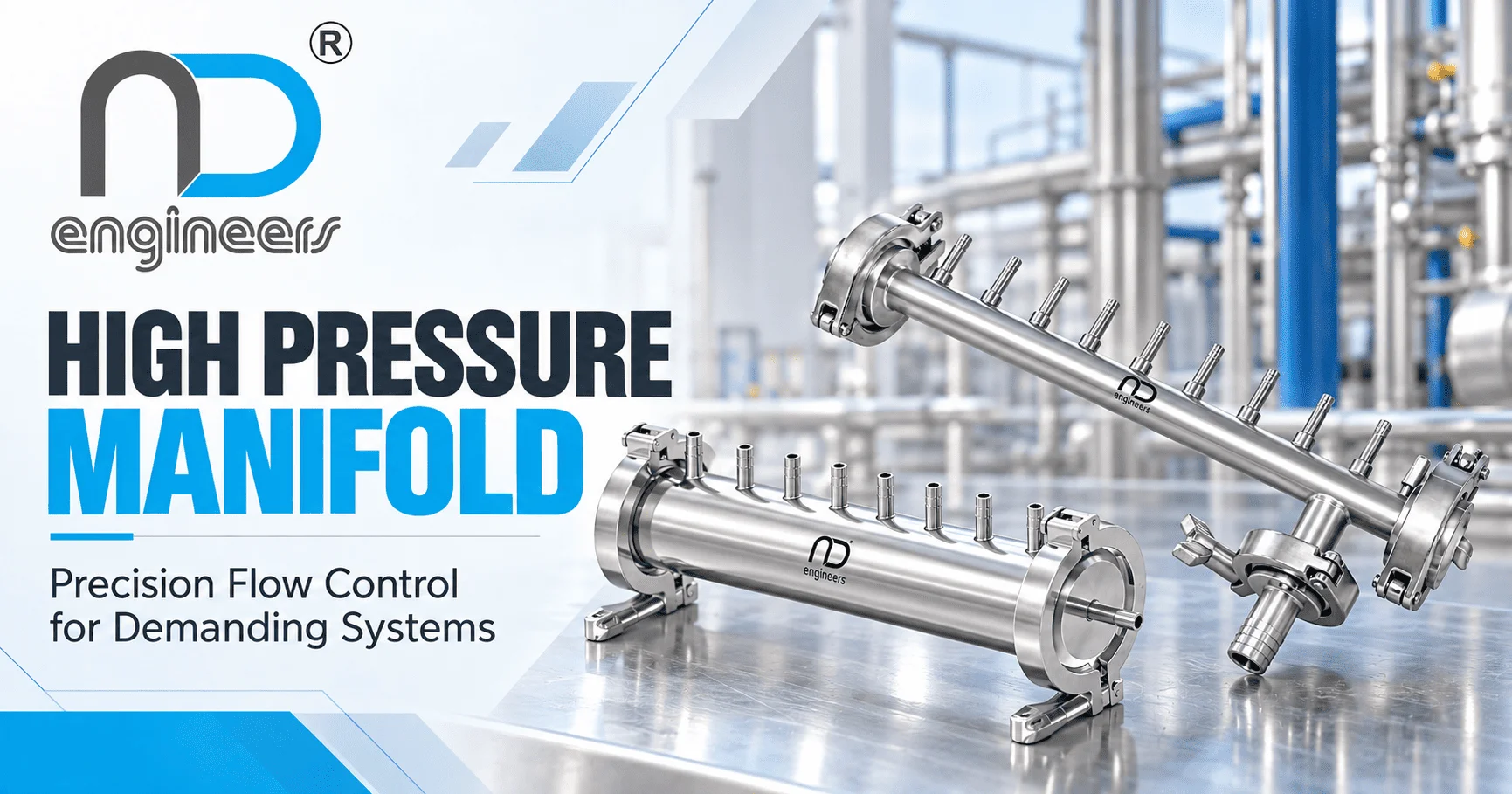
A high-pressure manifold is a sophisticated assembly of valves, ports, and connectors designed to manage, direct, and control the flow of fluids or gases at elevated pressures. These systems consolidate multiple connections into a single, compact unit, reducing the complexity and potential failure points often associated with extensive piping. They act as a central distribution or collection point, enabling precise regulation of pressure, flow rate, and system isolation.
The primary function of a manifold is to simplify and centralize control. Instead of numerous individual pipes and valves, a manifold offers a consolidated interface. This design is particularly valuable in systems where precise monitoring and control of high pressures are paramount, such as in oil and gas exploration, chemical processing, and specialized manufacturing environments. They are engineered to withstand extreme conditions, with some capable of handling pressures up to 60,000 PSI (4136 bar).
Applications of High Pressure Manifolds
The versatility and robustness of high-pressure manifolds make them suitable for a wide array of critical industrial applications:
Oil and Gas Operations
In the oil and gas sector, high-pressure manifolds are vital for operations like flowback, drill-outs, cementing, and choke and kill systems. They ensure safe and controlled management of fluids and gases under extreme downhole pressures.
Instrumentation and Control
Instrumentation manifolds serve as critical interfaces between process lines and sensitive measurement devices. They allow for safe isolation, venting, and calibration of instruments like pressure gauges and transmitters without disrupting the main process flow.
Chemical Processing
In chemical plants, manifolds are used to manage the flow of various reactive or hazardous fluids, ensuring precise dosing and safe handling. Their ability to minimize leak points is crucial for safety and environmental protection.
Manufacturing and Production
High-pressure systems in manufacturing, including those involving hydraulic power or specialized fluid delivery, benefit from manifolds to streamline operations, reduce assembly time, and enhance system reliability.
Key Benefits of Using High Pressure Manifolds
Implementing high-pressure manifolds offers significant advantages for industrial operations:
- Reduced Installation Complexity: Consolidating multiple components into a single unit drastically cuts down on piping, fittings, and assembly time, leading to faster project completion and lower labor costs.
- Minimized Leak Points: Fewer connections mean fewer potential sites for leaks, which is critical when handling hazardous or high-pressure fluids. This enhances safety and reduces product loss.
- Space Efficiency: Manifolds offer a compact footprint compared to equivalent valve and pipe configurations, freeing up valuable space within control panels and industrial skids.
- Enhanced System Reliability: A well-designed manifold reduces vibration and stress on piping, contributing to a more stable and reliable system performance.
- Precise Flow Control: The integrated valve system allows for fine-tuned adjustments to flow rates and pressures, enabling optimal process control and efficiency.
Selecting the Right High Pressure Manifold
Choosing the appropriate high-pressure manifold requires careful consideration of several factors to ensure optimal performance and safety for your specific application.
Important Considerations Before Buying:
- Pressure Rating: Ensure the manifold's maximum operating pressure significantly exceeds your system's highest anticipated pressure, providing a crucial safety margin.
- Fluid Compatibility: The materials of the manifold (e.g., stainless steel, brass, aluminum) must be compatible with the fluid being handled to prevent corrosion and contamination.
- Flow Rate Requirements: The internal passageways and valve types should be sized correctly to accommodate the required flow rates without causing undue pressure drops.
- Number and Type of Ports: Determine the exact number and configuration of inlet, outlet, and instrument ports needed for your system setup.
- Environmental Conditions: Consider the operating temperature range, potential exposure to corrosive elements, and any specific environmental regulations that may apply.
- Control Mechanism: Decide between manual operation for simplicity and cost-effectiveness or automated control options for enhanced precision and remote operation.
💡 Buyer Insight:
When dealing with high pressures, always prioritize safety. A manifold's reliability is directly linked to its construction quality and adherence to stringent manufacturing standards. Customization can often provide the most efficient and safe solution for highly specialized applications.
Questions to Ask Before Purchasing:
To ensure you make an informed decision, consider asking potential suppliers the following questions:
- What materials are used in the construction of the manifold, and are they suitable for my specific fluid and operating conditions?
- Can you provide documentation on the pressure testing and quality control procedures for your manifolds?
- What is the standard lead time for delivery, and are custom configurations available?
- What is the warranty or guarantee offered on the manifold?
- Are there any specific maintenance recommendations for this type of manifold?
ND ENGINEERS: Precision in Fluid Handling Components
ND ENGINEERS, established in Ahmedabad in 2010, specializes in manufacturing high-quality spares and accessories for the pharmaceutical and packaging machinery industries. With a commitment to precision and reliability, the company offers a range of essential components, including advanced dosing pumps (ceramic and metal variants) and NRV-based volumetric syringes.
While ND ENGINEERS focuses on critical components for specialized industries, their expertise in manufacturing precision parts underscores a deep understanding of fluid dynamics and controlled dispensing. Their certifications, including GMP, ISO, IAF, and MSME, reflect a dedication to quality and adherence to rigorous industry standards. This foundation in precision engineering positions them as a valuable partner for any operation requiring meticulously crafted components that ensure accuracy and operational integrity.
Frequently Asked Questions
What is the main purpose of a high-pressure manifold?
The main purpose of a high-pressure manifold is to centralize control and distribution of fluid or gas flow in systems operating at high pressures. It simplifies complex piping, reduces leak points, and allows for precise management of pressure and flow.
How do high-pressure manifolds differ from standard manifolds?
High-pressure manifolds are specifically engineered and constructed with robust materials and design features to safely withstand significantly higher operating pressures compared to standard manifolds. They often incorporate specialized valve types and sealing technologies.
Can high-pressure manifolds be customized?
Yes, custom-designed high-pressure manifolds are frequently developed to meet the unique requirements of specific applications, optimizing performance, efficiency, and integration into existing systems.
What materials are commonly used for high-pressure manifolds?
Common materials include various grades of stainless steel, brass, and sometimes aluminum, chosen based on the fluid compatibility, pressure requirements, and environmental conditions of the application.
Partner with ND ENGINEERS for Precision Components
For operations demanding precision, reliability, and quality in fluid handling components, ND ENGINEERS offers expertise honed through years of manufacturing excellence. While they excel in creating critical spares for pharmaceutical and packaging machinery, their underlying commitment to robust engineering principles can support your need for accurately controlled systems. Explore how their range of dosing pumps and volumetric syringes, backed by GMP, ISO, IAF, and MSME certifications, can enhance your operational efficiency and product integrity.
Explore ND ENGINEERS Solutions