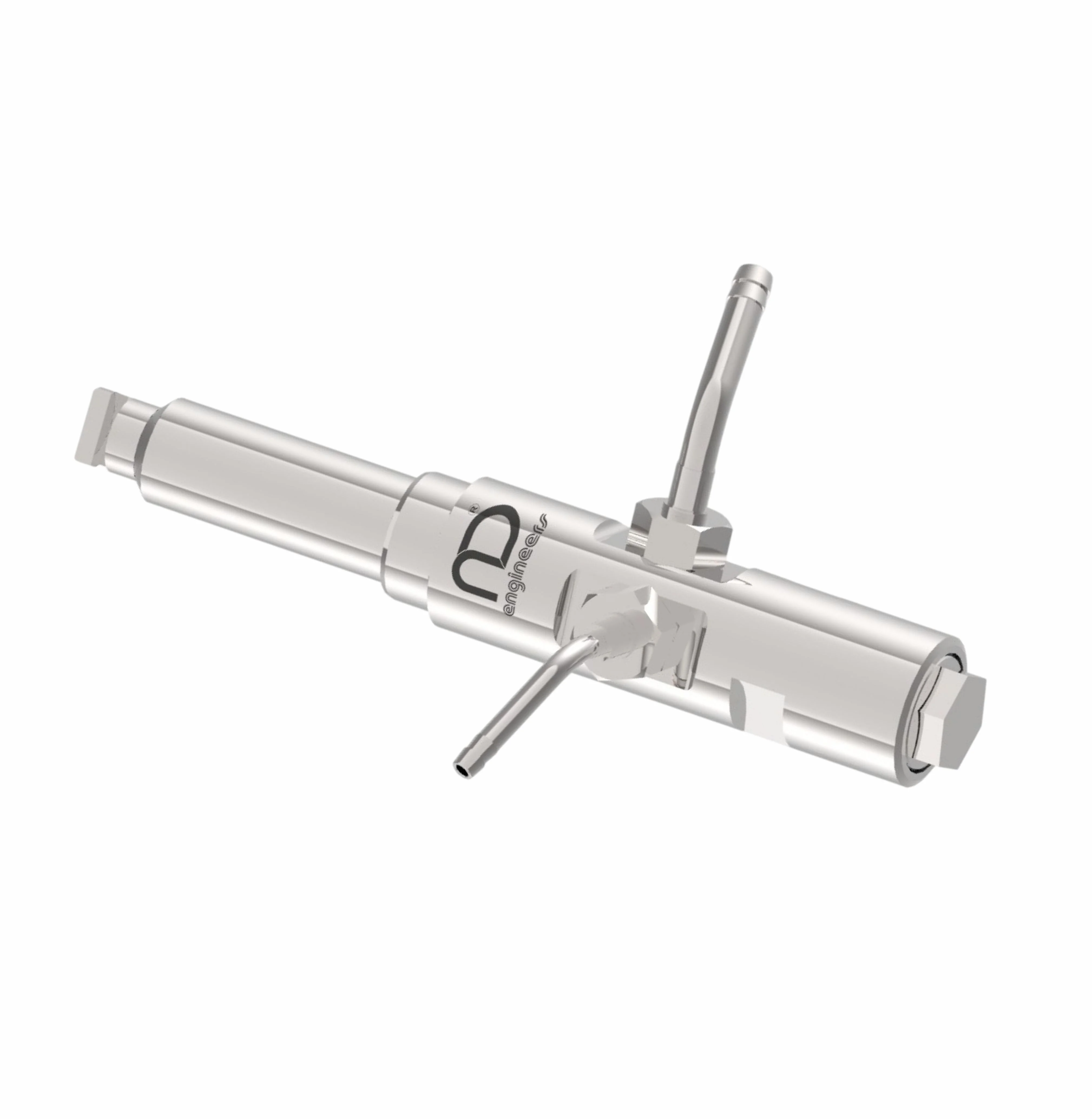
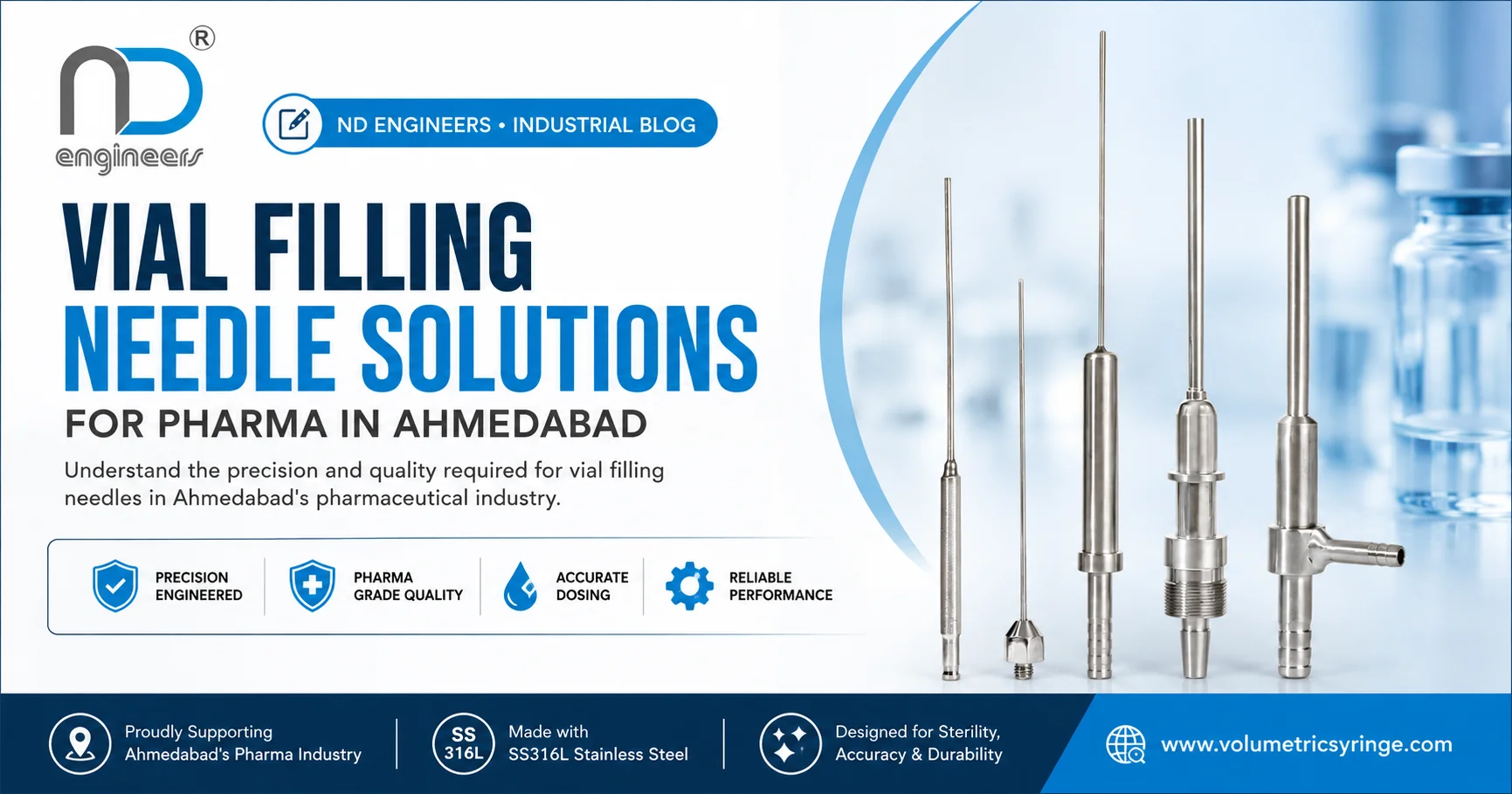
Vial filling needle
Understand the precision and quality required for vial filling needles in Ahmedabad's pharmaceutical industry. Learn how to select reliable components.
Why This Matters in Ahmedabad
Ahmedabad stands as a prominent center for pharmaceutical manufacturing and research in India, hosting numerous large-scale production facilities and R&D units. This concentration of pharmaceutical activity drives a continuous need for specialized machinery and precision spare parts. The local ecosystem supports a robust supply chain for pharmaceutical equipment, making the availability and selection of reliable vial filling needles a critical operational consideration for companies here. Maintaining high standards directly impacts product quality and regulatory adherence within this competitive market.
What Is a Vial Filling Needle — Overview
A vial filling needle is a precision component designed to accurately dispense liquid pharmaceutical products into vials. These needles are integral to automated and semi-automated filling machines, ensuring that each vial receives the correct dosage without spillage or contamination. Typically manufactured from medical-grade stainless steel, such as SS316L, they are engineered for durability, chemical resistance, and ease of sterilization. Their design is crucial for smooth liquid flow, minimal foaming, and preventing damage to sensitive biological products during the filling process.
Key Features and Technical Specifications
- Medical-Grade Material: Constructed from SS3316L stainless steel for corrosion resistance and biocompatibility.
- Precision Bore Diameter: Consistent internal diameter ensures accurate and repeatable dosing volumes.
- Optimized Tip Design: Various tip geometries (e.g., blunt, bevel, side port) to minimize foaming and product shearing.
- Surface Finish: Ultra-smooth internal and external surfaces to prevent particle adhesion and facilitate cleaning.
- Sterilization Compatibility: Designed to withstand repeated sterilization cycles, including autoclaving and CIP/SIP processes.
- Leak-Proof Connection: Engineered for secure, leak-free integration with filling machine manifolds and pumps.
- Dimensional Accuracy: Manufactured to tight tolerances for consistent performance across batches and machines.
Industrial Applications and Use Cases
- Injectable Pharmaceuticals: Filling sterile liquid medications, vaccines, and biologics into glass or plastic vials.
- Ophthalmic Solutions: Dispensing eye drops and other sterile solutions into small containers.
- Diagnostic Reagents: Accurate filling of reagents used in laboratory testing and medical diagnostics.
- Lyophilized Product Reconstitution: Used in systems that add diluents to freeze-dried products.
- Cosmetic and Personal Care: Precision filling of high-value liquid products where dosage accuracy is important.
- Veterinary Pharmaceuticals: Dispensing animal health products into various vial sizes.
- Biotechnology Research: Laboratory-scale filling for R&D and small-batch production of sensitive compounds.
How to Choose the Right Vial Filling Needle
Selecting the appropriate vial filling needle requires careful consideration of several factors to ensure optimal performance and product integrity.
- Material Compatibility: Verify the needle material is compatible with the product being filled and the cleaning agents used, typically medical-grade SS316L.
- Bore Size and Length: Match the internal diameter and length to the required fill volume, viscosity of the liquid, and desired filling speed.
- Tip Geometry: Choose a tip design that minimizes splashing, foaming, and shear stress on sensitive products.
- Sterilization Method: Ensure the needle can withstand the specific sterilization protocols (e.g., autoclaving, dry heat, gamma irradiation) without degradation.
- Machine Compatibility: Confirm the needle's connection type and dimensions are compatible with your existing filling machine and dosing pump.
- Supplier Certifications: Prioritize suppliers who adhere to quality management systems like ISO and provide material certifications and traceability.
- Customization Options: Assess if the supplier can provide custom designs for unique product requirements or challenging filling applications.
Quality Standards and Compliance
For vial filling needles used in pharmaceutical production, adherence to stringent quality standards is non-negotiable. Key compliance factors include Good Manufacturing Practices (GMP) guidelines, which dictate the sterile and controlled environment for manufacturing and use. Material certifications, particularly for stainless steel (e.g., SS316L), are crucial to confirm purity and resistance to corrosion. ISO 9001 certification for the manufacturer indicates a robust quality management system. Buyers should always verify that the supplier provides full material traceability, certificates of conformity, and documentation supporting their manufacturing processes and quality control measures. This ensures the needles meet the necessary regulatory requirements and perform reliably in sterile environments.
Why Company Experience and Capability Matters
The reliability of vial filling needles directly impacts product quality and operational uptime in pharmaceutical facilities. Nd Engineers, established in Ahmedabad in 2010, brings over a decade of focused experience in manufacturing pharmaceutical and packaging machinery spares. Our technical capability is rooted in a deep understanding of precision engineering and material science, ensuring that each vial filling needle meets exacting standards. We maintain rigorous quality control throughout our manufacturing process, from raw material inspection to final product verification. This commitment extends to offering customization options, allowing us to tailor needle designs for specific viscosities, fill volumes, and machine interfaces. Our certifications, including GMP, ISO, IAF, and MSME, reflect our dedication to delivering consistent quality and reliable performance, ensuring that our clients receive components they can trust for their critical filling operations.
Installation, Maintenance and Care Tips
Proper installation, regular maintenance, and careful handling are crucial for extending the lifespan and ensuring the consistent performance of vial filling needles.
- Installation: Always handle needles with clean, gloved hands to prevent contamination. Ensure the needle is securely seated and properly aligned with the filling machine's manifold or pump connection to prevent leaks and ensure accurate dispensing. Avoid overtightening connections, which can damage threads or seals.
- Cleaning: After each production run, thoroughly clean needles using validated cleaning procedures. This typically involves rinsing with purified water, followed by appropriate detergents and disinfectants, and then a final rinse with WFI (Water for Injection). Ensure all internal and external surfaces are free from product residue.
- Sterilization: Follow established sterilization protocols, such as autoclaving or dry heat sterilization, at validated temperatures and durations. Verify that the needles are completely dry before sterilization to prevent water spots or corrosion.
- Inspection: Regularly inspect needles for any signs of wear, damage, bending, or blockages. Pay close attention to the tip for any burrs or deformities that could affect filling accuracy or vial integrity. Replace any damaged needles immediately.
- Storage: Store cleaned and sterilized needles in a clean, dry, and protected environment, ideally in sterile packaging, to prevent recontamination or physical damage prior to use.
Frequently Asked Questions
Vial filling needles are predominantly manufactured from medical-grade stainless steel, with SS316L being the most common choice. This material offers excellent corrosion resistance, biocompatibility, and durability, making it suitable for contact with various pharmaceutical products and for enduring repeated sterilization cycles. Some specialized applications might use other inert materials, but SS316L remains the industry standard.
The replacement frequency for vial filling needles depends on several factors, including the product being filled, cleaning protocols, sterilization methods, and the intensity of use. Regular visual inspection for wear, damage, or tip deformities is critical. While some needles can last for many production cycles with proper care, it is advisable to establish a preventive replacement schedule based on operational experience and quality control data to maintain filling accuracy and prevent product contamination.
The tip design of a vial filling needle is crucial for optimizing the filling process and preserving product integrity. Different tip geometries, such as blunt, bevel, or side-port designs, help minimize issues like foaming, splashing, and product shear. A well-chosen tip ensures a smooth, consistent flow of liquid into the vial, reduces product loss, and prevents air entrapment, which is especially important for sensitive or viscous pharmaceutical formulations.
Yes, vial filling needles can often be customized to meet specific application requirements. Customization options include variations in bore diameter, length, tip design, and connection types to suit different filling machines, product viscosities, and vial sizes. Working with an experienced manufacturer allows for tailored solutions that optimize filling performance and address unique challenges in pharmaceutical production.
Vial filling needles typically undergo sterilization methods compatible with medical-grade stainless steel. Common methods include autoclaving (steam sterilization), dry heat sterilization, and sometimes gamma irradiation for pre-sterilized components. It is essential to validate the chosen sterilization method to ensure complete sterility without compromising the needle's material integrity or performance. Proper cleaning before sterilization is also critical for effectiveness.
Needle precision directly impacts the accuracy and consistency of pharmaceutical product dosing. A precisely manufactured needle ensures that each vial receives the exact intended volume, which is vital for patient safety and therapeutic efficacy. Inaccurate filling can lead to under-dosing or over-dosing, compromising product quality and potentially leading to regulatory non-compliance. Precision also minimizes product waste and enhances overall manufacturing efficiency.
Conclusion
The selection and maintenance of vial filling needles are critical aspects of pharmaceutical manufacturing, particularly in a dynamic hub like Ahmedabad. These precision components are fundamental to ensuring dosage accuracy, product sterility, and operational efficiency. By prioritizing medical-grade materials, adhering to stringent quality standards, and partnering with experienced manufacturers like Nd Engineers, pharmaceutical companies can secure reliable components that uphold their commitment to quality and compliance. Careful consideration of features, applications, and ongoing care will contribute significantly to consistent and high-quality pharmaceutical production.
Get In Touch
Nd Engineers