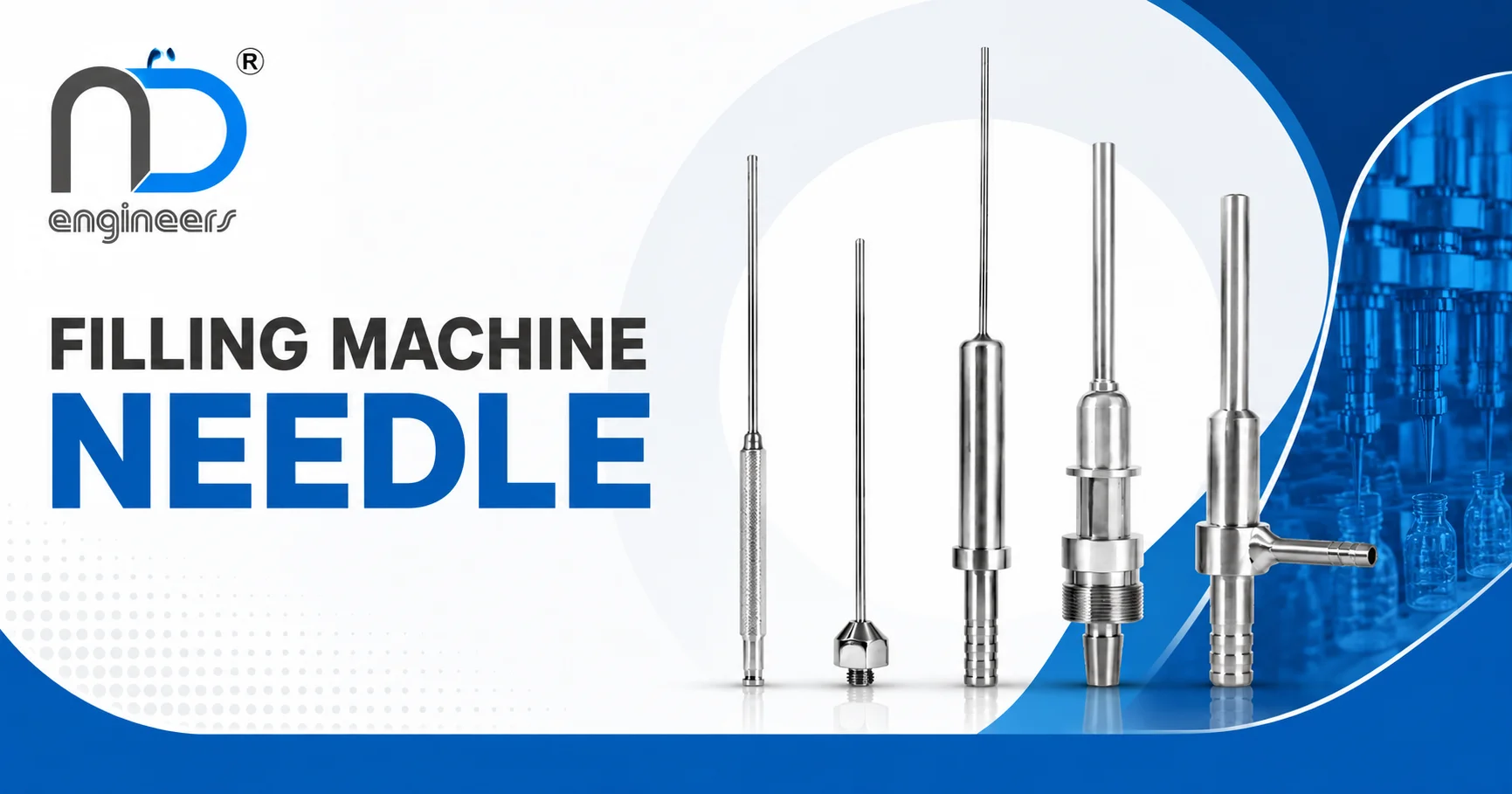
Filling machine needle
Discover high-precision filling machine needles in Ahmedabad. ND Engineers offers durable, accurate solutions for pharmaceutical and packaging machinery.
What is a Filling Machine Needle? — Overview
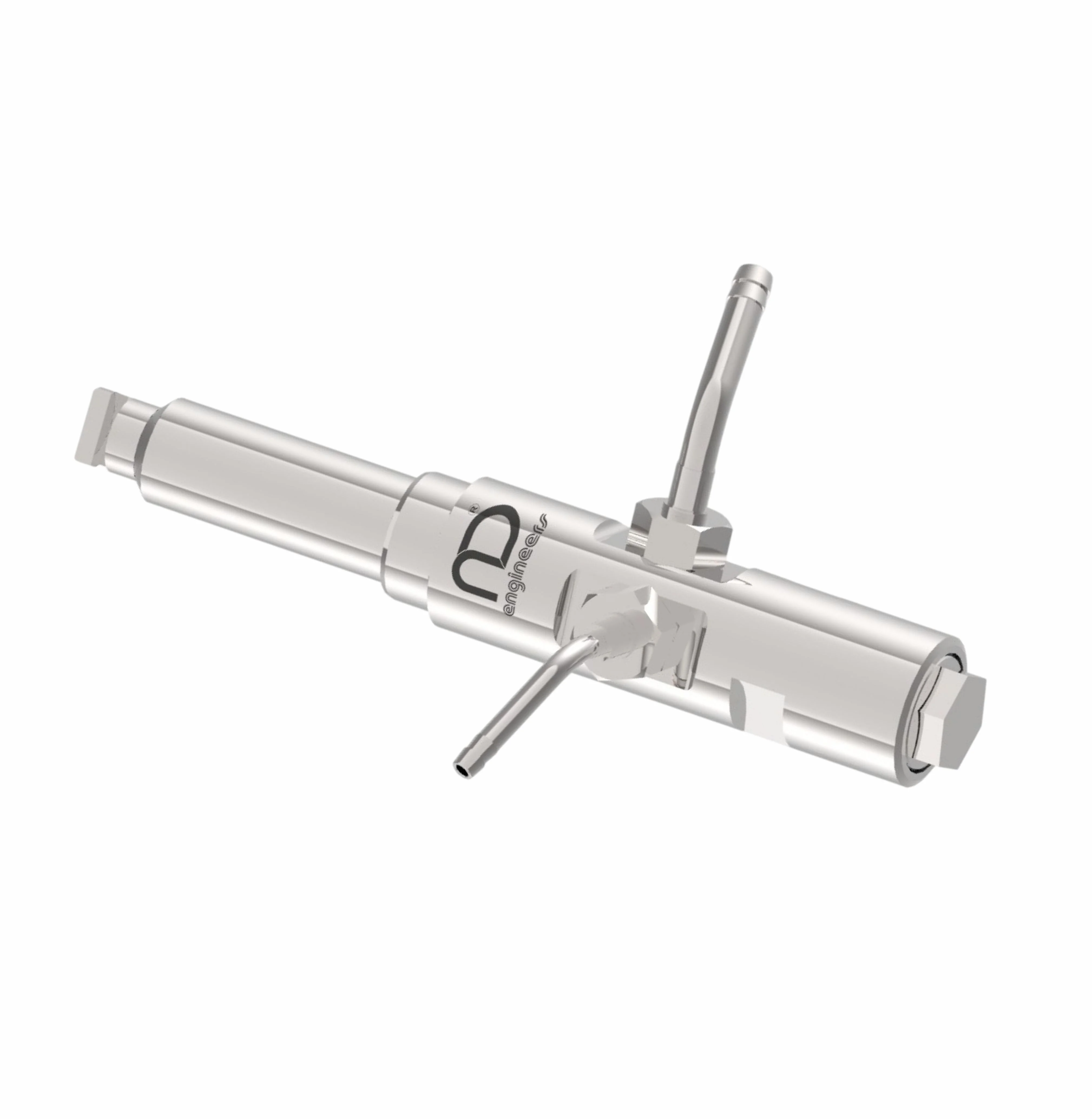
A filling machine needle, often referred to as a filling nozzle or tip, is a critical component of automated liquid filling systems. Its primary function is to precisely deliver a measured volume of liquid product from the filling machine's reservoir or pump into a container. These needles are engineered with specific internal diameters, lengths, and tip designs to control flow rate, prevent dripping, and ensure accurate dispensing, whether for viscous or low-viscosity fluids. They are integral to achieving consistent fill volumes across production runs.
Key Features and Technical Specifications
- Material Construction: Typically made from Stainless Steel (e.g., SS316L) for corrosion resistance and product compatibility, or specialized materials like ceramics for highly abrasive or sensitive products.
- Tip Design: Options include straight tips, angled tips, side-port tips, or specialized designs to prevent foaming and ensure clean dispensing.
- Internal Diameter (ID) and Orifice Size: Precisely controlled to match the required fill volume and product viscosity.
- Overall Length and Reach: Designed to suit various container heights and filling machine configurations.
- Connection Type: Standardized fittings (e.g., Luer lock, threaded, clamp) for secure attachment to filling tubes or pumps.
- Surface Finish: High-quality internal and external finishes minimize product adhesion and facilitate easy cleaning.
- Tolerance Levels: Manufactured to tight dimensional tolerances for consistent performance and longevity.
Industrial Applications and Use Cases
- Pharmaceutical Liquid Filling: Dispensing syrups, suspensions, injectables, and oral solutions with high accuracy.
- Nutraceutical Supplement Filling: Accurately filling vitamins, protein powders, and liquid supplements.
- Cosmetic Product Dispensing: Filling lotions, creams, perfumes, and serums into various containers.
- Food and Beverage Packaging: Precise filling of oils, sauces, juices, and other liquid food products.
- Chemical and Reagent Dispensing: Accurate measurement of laboratory chemicals, reagents, and industrial fluids.
- Veterinary Medicine Production: Filling liquid medications and supplements for animal health.
How to Choose the Right Filling Machine Needle
Selecting the correct filling machine needle is crucial for optimal performance. Consider these factors:
- Product Viscosity and Characteristics: Low-viscosity liquids may require smaller orifices and specific tip designs to prevent splashing, while high-viscosity products need larger openings and potentially specialized flow paths.
- Fill Volume Accuracy Requirements: Higher accuracy demands tighter manufacturing tolerances and potentially specialized needle designs.
- Container Type and Opening Size: The needle must fit the container's neck without obstruction and reach the desired fill level.
- Machine Compatibility: Ensure the needle's connection type matches your filling machine's setup.
- Material Compatibility: The needle material must not react with the product being filled and should withstand cleaning procedures.
- Cleaning and Sterilization Needs: Consider if the needle needs to be easily dismantled for cleaning or if it must withstand specific sterilization methods (e.g., CIP/SIP).
- Supplier Expertise and Support: Choose a manufacturer with proven experience and the ability to provide technical guidance.
Quality Standards and Compliance
For industries like pharmaceuticals, adherence to stringent quality standards is non-negotiable. Filling machine needles must be manufactured from food-grade or pharmaceutical-grade materials, typically SS316L, which offers excellent corrosion resistance and is inert with most products. Manufacturers should be able to provide material test certificates and demonstrate adherence to Good Manufacturing Practices (GMP). Compliance with relevant industry standards, such as those outlined by ISO, ensures that the components are produced under controlled conditions, guaranteeing consistency, traceability, and reliability for critical applications. Buyers should always verify the material certifications and the manufacturer's quality management systems.
Why ND Engineers' Experience and Capability Matters
At ND Engineers, our establishment in 2010 in Ahmedabad has provided us with over a decade of hands-on experience in manufacturing precision components for the pharmaceutical and packaging sectors. Our dedicated team possesses deep technical expertise in designing and producing filling machine needles that meet exacting standards. We leverage advanced manufacturing processes and stringent quality control measures at every stage, from material selection to final inspection.
Our capability extends to understanding the unique challenges faced by our clients, allowing us to offer customized solutions. Whether it's a standard needle or a bespoke design for a specific application, our focus remains on delivering components that enhance your operational efficiency and product quality. We pride ourselves on our reliability, timely delivery, and the robust performance of our products, building trust through consistent excellence.
Installation, Maintenance, and Care Tips
Proper installation and regular maintenance are key to maximizing the lifespan and performance of your filling machine needles.
- Installation: Ensure the needle is securely attached to the filling head or pump outlet, verifying that the connection is tight to prevent leaks. Align the needle correctly within the container's neck to ensure accurate product placement.
- Cleaning: After each production run, thoroughly clean the needles. Use appropriate cleaning agents compatible with both the product and the needle material. For pharmaceutical applications, this often involves validated cleaning procedures.
- Inspection: Regularly inspect needles for any signs of wear, damage, or blockage. Check for nicks, bends, or corrosion, which can affect dispensing accuracy.
- Storage: When not in use, store needles in a clean, dry environment to prevent contamination or damage. Specialized storage racks can help maintain their integrity.
- Replacement: Replace needles that show significant wear or damage to avoid production issues and maintain fill accuracy.
Frequently Asked Questions
A1: The most common material is high-grade stainless steel, such as SS316L, due to its excellent corrosion resistance and inertness with a wide range of products. For specialized applications, materials like ceramic or other alloys might be used to handle specific chemical properties or extreme temperatures.
A2: Viscosity is a primary factor. Low-viscosity liquids may require needles with smaller orifices and specific tip designs to control flow and prevent splashing. High-viscosity products often need larger orifices and potentially different internal geometries to ensure smooth, consistent dispensing without clogging.
A3: Yes, customization is a common requirement. Manufacturers can adjust needle length, diameter, tip design, and connection types to precisely match the product, container, and filling machine specifications for optimal performance.
A4: The tip design is crucial for controlling the product flow, preventing drips after filling, minimizing foaming, and ensuring the product is deposited accurately within the container. Designs vary from simple straight tips to angled, side-port, or specialized dispensing tips.
A5: The replacement frequency depends on usage, the product being filled, and the cleaning/sterilization processes. Regular inspection for wear, damage, or deformation is key. Any sign of compromised accuracy or integrity warrants replacement to maintain production quality.
A6: Absolutely. ND Engineers manufactures needles using pharmaceutical-grade stainless steel (SS316L) and adheres to strict quality control measures. Our components are designed for precision, durability, and ease of cleaning, making them suitable for GMP-compliant pharmaceutical manufacturing processes.
Conclusion
For manufacturers in Ahmedabad and beyond, the selection of filling machine needles is a critical decision impacting product quality, operational efficiency, and regulatory compliance. Precision, material integrity, and reliable performance are paramount. Partnering with an experienced manufacturer like ND Engineers, who understands these demands and offers high-quality, precisely engineered solutions, ensures that your liquid filling operations run smoothly and accurately. Investing in the right components is an investment in the overall success and reputation of your production.
---
Get In Touch
Nd Engineers