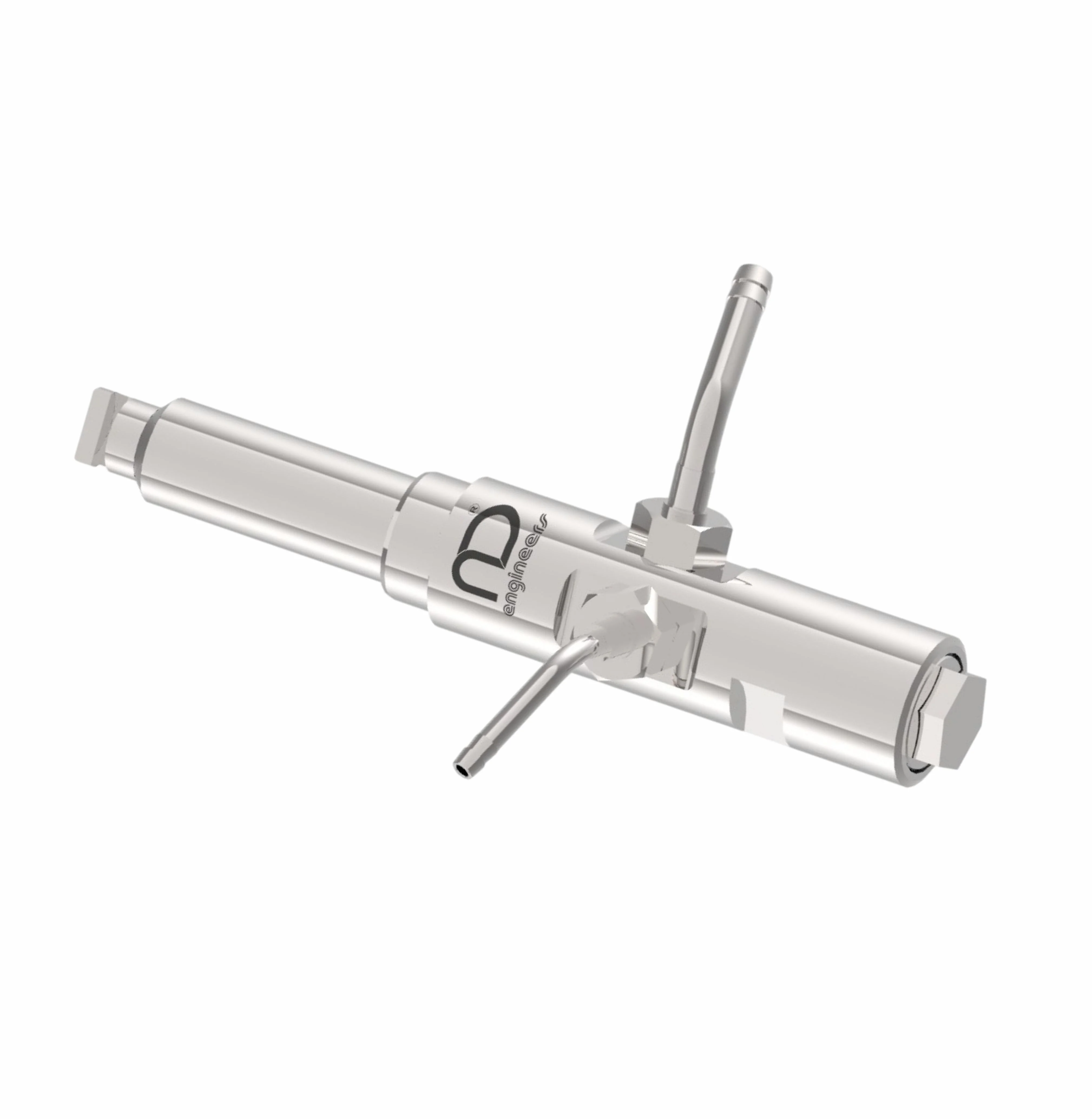
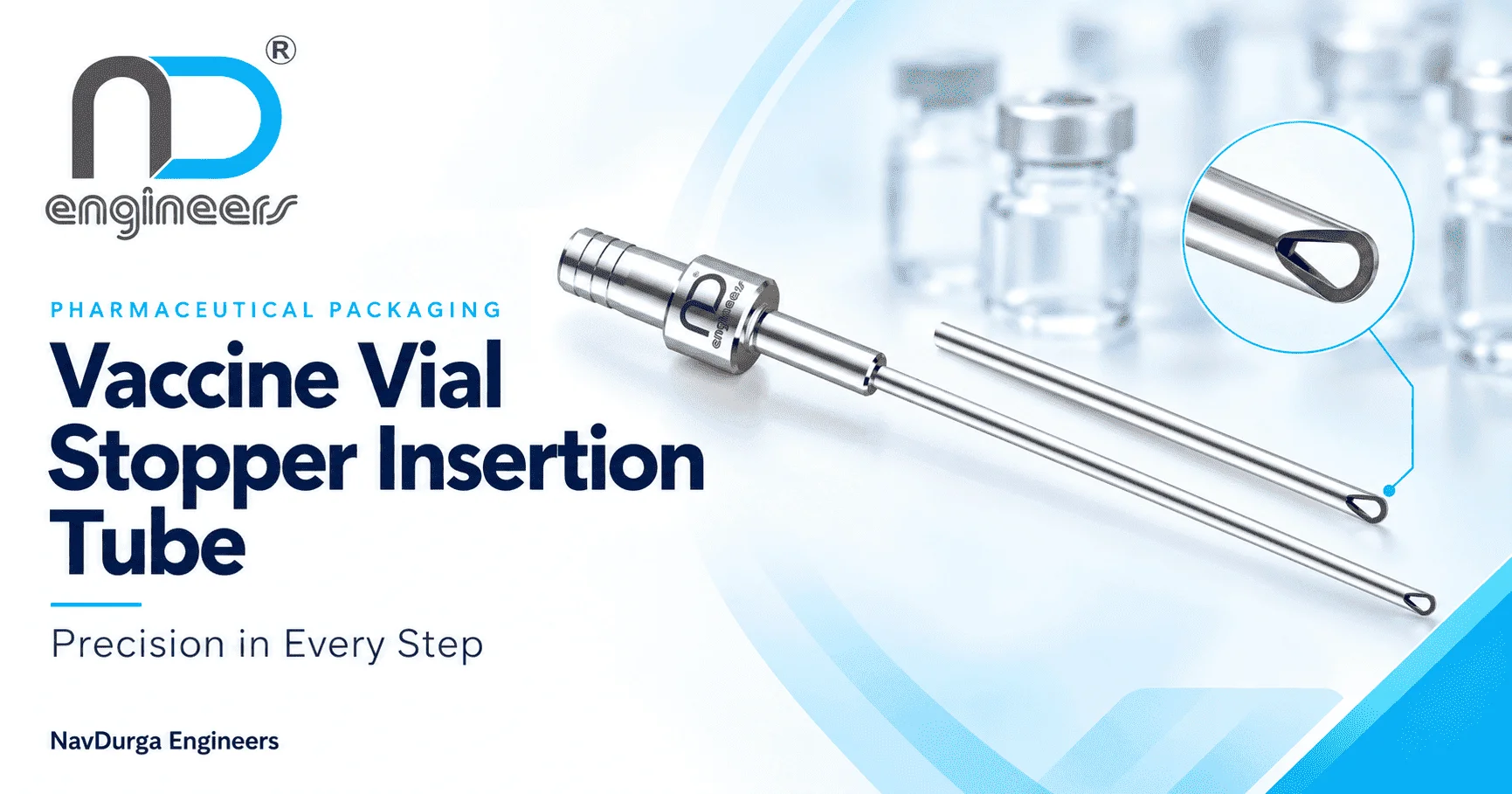
vaccine vial stopper insertion tube
In the highly regulated and critical world of pharmaceutical manufacturing, the integrity of injectable medications relies on precise packaging components and machinery. Among these, the mechanism for accurately inserting a vaccine vial stopper is paramount. While the term "vaccine vial stopper insertion tube" might refer to a specific component or a broader system facilitating this crucial step, understanding its function, the associated challenges, and the solutions available is key to maintaining product safety and efficacy. This article delves into the importance of this process, its applications, and how manufacturers can ensure optimal performance.
Understanding the Vaccine Vial Stopper Insertion Process
The primary role of a vaccine vial stopper is to create a hermetic seal for vials containing vaccines, other pharmaceuticals, or sensitive biological materials. This seal is essential to prevent contamination from external elements, maintain product sterility, and ensure the stability and shelf-life of the contents. The insertion of the stopper is a high-precision operation, often performed at high speeds within automated filling lines. The "vaccine vial stopper insertion tube" can be understood as a part of the machinery designed to guide, position, and securely press the stopper onto the vial's opening. This process requires careful calibration to ensure the correct pressure and alignment, preventing damage to the stopper or vial, and guaranteeing a reliable seal.
The insertion mechanism must accommodate various stopper types and sizes, as well as different vial dimensions. Factors like stopper material (e.g., bromobutyl, chlorobutyl rubber), format (Ready-to-Sterilize or Ready-to-Use), and specific application needs (e.g., stoppers for lyophilized drugs) influence the insertion parameters. Precision in this step is directly linked to regulatory compliance, such as USP and EU pharmaceutical specifications, and adherence to guidelines like EMA GMP Annex 1, which focus on contamination control and sterility assurance.
Applications and Use Cases
The precise insertion of vaccine vial stoppers is fundamental across a wide spectrum of pharmaceutical and biotech applications:
- Vaccine Production: Ensuring the sterile sealing of vaccine vials, from routine immunizations to large-scale public health campaigns. The integrity of the stopper directly impacts vaccine efficacy and patient safety.
- Biopharmaceutical Filling: Used for a variety of sensitive biologics, therapeutic proteins, and monoclonal antibodies that require stringent environmental control and a guaranteed sterile barrier.
- Lyophilized Product Packaging: Specialty stoppers, often designed for lyophilization (freeze-drying) processes, require specific insertion techniques to maintain their integrity and function after the freeze-drying cycle.
- Sterile Injectable Pharmaceuticals: Beyond vaccines, this applies to all sterile injectable drugs, including antibiotics, anesthetics, and chemotherapy agents, where maintaining a sterile environment is critical.
- Diagnostic Reagents: Packaging diagnostic kits and reagents that are sensitive to environmental factors and require a long shelf-life.
Key Benefits of Precise Stopper Insertion
A well-designed and accurately functioning vaccine vial stopper insertion system offers significant advantages:
Enhanced Product Sterility
Guarantees a hermetic seal, preventing microbial ingress and maintaining the sterile integrity of the pharmaceutical product.
Increased Production Efficiency
Automated insertion systems, utilizing precise guidance mechanisms, allow for high-speed, continuous filling and stoppering, boosting throughput.
Improved Product Stability
A secure seal protects sensitive formulations from oxidation and degradation, thereby extending shelf-life and maintaining potency.
Reduced Product Loss
Minimizes the risk of vial breakage or stopper defects during insertion, leading to fewer rejected units and lower manufacturing costs.
Buyer's Selection Guide for Stopper Insertion Solutions
Selecting the right equipment for vaccine vial stopper insertion is crucial for pharmaceutical manufacturers. Consider the following factors:
Critical Considerations Before Purchasing:
Compatibility and Versatility
- Vial Sizes: Ensure the system can handle the range of vial diameters (e.g., 13mm, 20mm, 30mm, 32mm) and heights used.
- Stopper Types: Verify compatibility with different stopper materials (bromobutyl, chlorobutyl) and formats (RTS, RTU), including specialty stoppers.
- Product Sensitivity: The insertion process should be gentle enough for sensitive biologicals and vaccines.
Precision and Control
- Insertion Force: The equipment must offer controlled insertion force to ensure a proper seal without damaging the stopper or vial.
- Alignment Accuracy: High precision in guiding the stopper to the vial opening is essential for a consistent, leak-proof seal.
- Speed and Throughput: Evaluate the system's capacity to meet production demands, especially for high-volume vaccine campaigns.
Regulatory Compliance and Quality Assurance
- GMP Standards: The machinery should be designed and manufactured to meet Good Manufacturing Practices (GMP).
- Material Quality: Components that come into contact with stoppers should be made from appropriate, non-contaminating materials.
- Validation Support: Inquire about documentation and support for process validation to meet regulatory requirements (e.g., USP, EU specifications).
Buyer Insight: When evaluating stopper insertion systems, prioritize solutions that offer verifiable precision and control. Look for manufacturers who can demonstrate robust validation support and adherence to strict pharmaceutical quality standards. Understand that the interaction between the stopper, vial, and insertion mechanism is a complex system where each element must perform flawlessly.
Reliable Pharmaceutical Machinery Solutions from NavDurga Engineers
NavDurga Engineers, established in 2010 in Ahmedabad, Gujarat, India, is a dedicated manufacturer of pharmaceutical and packaging machinery spares and accessories. With a core commitment to quality, innovation, and customer focus, the company provides essential components and equipment that support critical processes within the pharmaceutical industry.
While not directly manufacturing "vaccine vial stopper insertion tubes" as a standalone product, NavDurga Engineers excels in producing high-precision volumetric syringes and dosing pumps. These components are integral to the filling stage of pharmaceutical packaging, directly preceding the stopper insertion process. Their range includes:
- NRV-based Volumetric Syringes: Including specialized Teflon variants, designed for accurate and consistent fluid dispensing.
- Dosing Pumps: Offering various types such as ceramic, rotary ceramic, CIP SIP ceramic, and metal dosing pumps, crucial for precise liquid handling in filling applications.
These products embody the company's dedication to precision engineering, quality craftsmanship, and adherence to industry standards. NavDurga Engineers holds certifications including GMP, ISO, and MSME, reflecting their commitment to maintaining high operational and quality benchmarks. Their expertise in manufacturing critical components for filling lines ensures that clients receive reliable solutions designed for the demanding pharmaceutical environment.
Frequently Asked Questions
What is the primary function of a vaccine vial stopper?
A vaccine vial stopper's primary function is to create a hermetic, sterile seal for the vial, preventing contamination and maintaining the stability and efficacy of the vaccine or pharmaceutical product inside.
Why is precise stopper insertion important?
Precise stopper insertion is vital to guarantee a consistent and reliable seal, prevent damage to the stopper or vial, ensure product sterility, and meet stringent regulatory requirements for pharmaceutical packaging.
What are the common stopper sizes used in pharmaceutical vials?
Common pharmaceutical vial stopper sizes include 13mm, 20mm, 30mm, and 32mm, chosen based on the vial's neck finish and the volume of the medication.
What is the difference between RTS and RTU stoppers?
RTS (Ready-to-Sterilize) stoppers require sterilization by the end-user before use, while RTU (Ready-to-Use) stoppers have already undergone sterilization and depyrogenation processes, making them immediately deployable in aseptic filling environments.
Ensure Your Pharmaceutical Filling Process is Flawless
Achieving optimal sterility and product integrity in your pharmaceutical packaging relies on precision at every step, especially during vial filling and stoppering. NavDurga Engineers offers high-quality volumetric syringes and dosing pumps, critical components for accurate and reliable filling operations. Partner with a manufacturer committed to quality and precision.
Explore NavDurga Engineers' Solutions