Custom jacketed needle for viscous material
Handling viscous materials presents unique challenges in dispensing, metering, and processing. Standard needles often struggle with flow, consistency, and accurate delivery when dealing with substances that resist movement. This is where the specialized design of a custom jacketed needle for viscous material becomes indispensable. By incorporating a jacketed system, these needles can precisely control the temperature of the fluid passing through them, significantly improving handling and dispensing accuracy for a wide range of high-viscosity fluids.
Understanding Jacketed Needles for Viscous Fluids
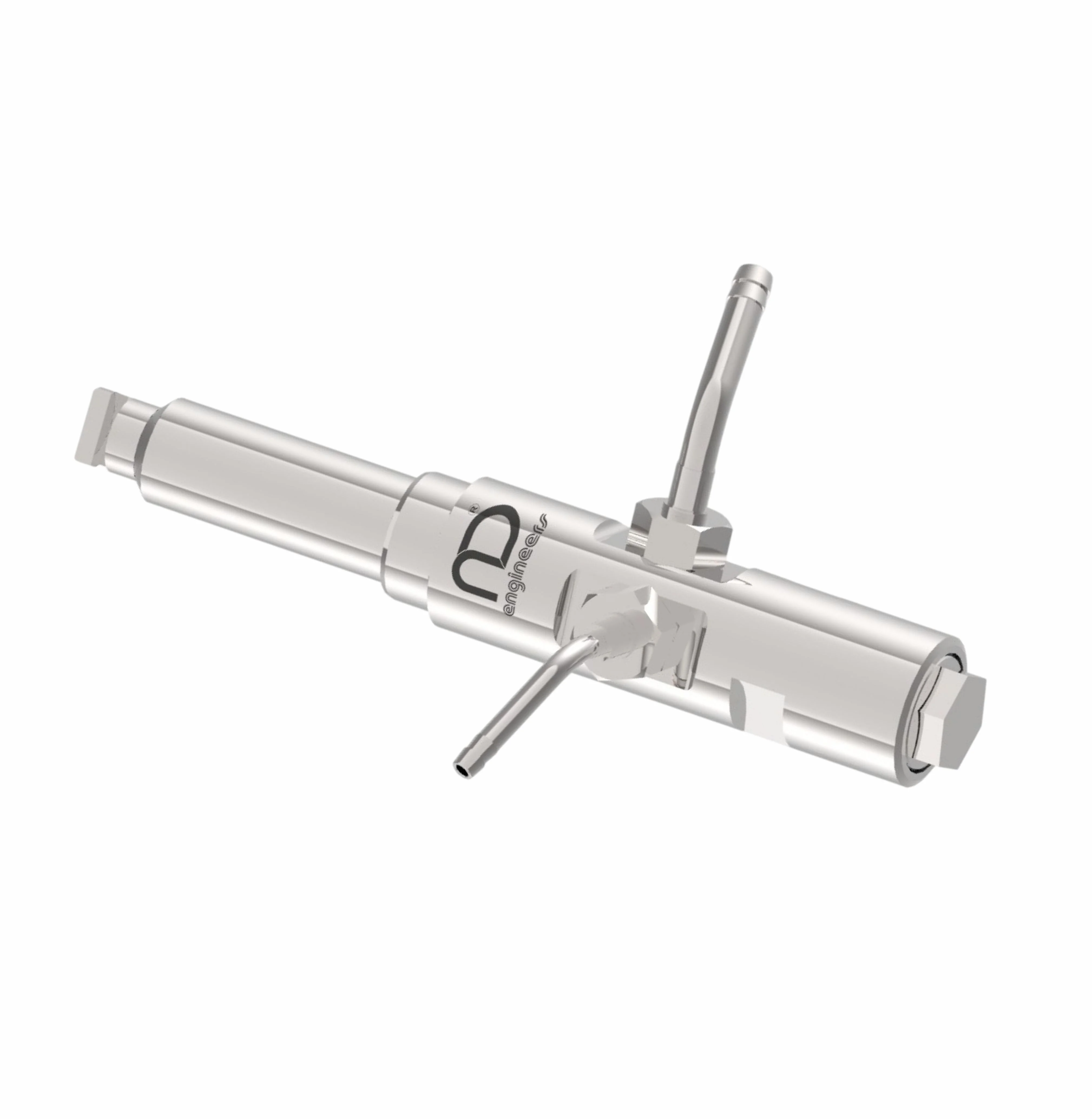
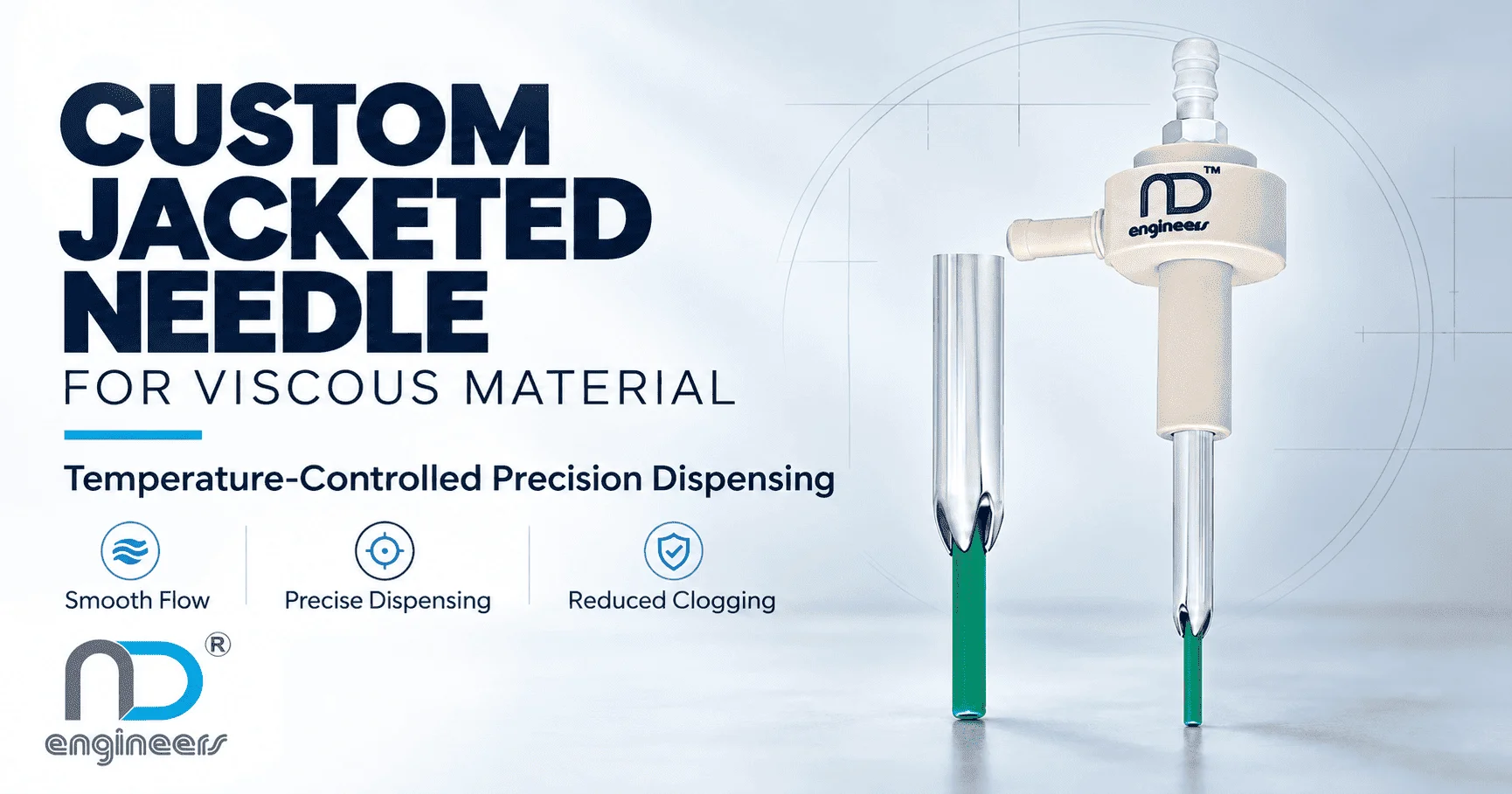
A jacketed needle is essentially a needle within a needle, or more accurately, a hollow outer tube (the jacket) surrounding the primary fluid-carrying lumen. This outer jacket is designed to circulate a heating or cooling medium, such as hot water, oil, or a specific thermal fluid. The primary purpose is to maintain the fluid passing through the inner lumen at a stable, optimized temperature.
For viscous materials, this temperature control is critical. Many high-viscosity substances become even more difficult to handle as their temperature drops. By gently heating the fluid as it travels through the needle, its viscosity is reduced, allowing for smoother flow, reduced shear stress, and more consistent dispensing. This temperature regulation prevents clogging, ensures repeatable droplet sizes, and maintains the material's integrity.
The design of a custom jacketed needle allows for precise tailoring to specific applications. Factors such as the inner diameter of the fluid lumen, the outer diameter of the jacket, the length of the needle, the type of connection fittings, and the material composition can all be specified to meet the unique demands of the viscous fluid and the dispensing system.
Applications of Custom Jacketed Needles
The versatility of custom jacketed needles makes them suitable for a broad spectrum of demanding applications across various industries:
High-Viscosity Fluid Dispensing
Accurately dispensing adhesives, sealants, greases, resins, and other highly viscous fluids in manufacturing processes. Temperature control ensures consistent flow rates and bead sizes.
Laboratory and Research
Used in analytical instruments and experimental setups for precise metering of viscous reagents, biological samples, or specialty chemicals where temperature stability is crucial for test accuracy.
Medical Device Manufacturing
Critical for dispensing biocompatible viscous materials like hydrogels or specialized coatings onto medical devices, ensuring uniformity and sterility.
Food Processing
Handling and dispensing viscous food products such as chocolate, caramel, pastes, or fillings. Maintaining the correct temperature ensures product texture and quality.
Industrial Lubrication
Precise application of specialized greases and lubricants in automated systems, ensuring optimal coverage and performance in machinery.
Key Benefits of Using Jacketed Needles
Implementing a custom jacketed needle solution offers significant advantages for managing challenging materials:
- Improved Flow and Reduced Viscosity: Gentle heating lowers viscosity, enabling smoother, more consistent flow through the needle.
- Enhanced Dispensing Accuracy: Stable temperature control leads to repeatable volumes and precise bead placement, minimizing waste.
- Prevention of Clogging: Maintaining fluid at an optimal temperature prevents solidification or thickening that could block standard needles.
- Material Integrity Preservation: Controlled heating avoids thermal degradation or alteration of sensitive viscous materials.
- Process Repeatability: Consistent conditions ensure reliable results batch after batch, crucial for quality control.
- Customization: Tailored designs ensure optimal performance for specific fluid properties and application requirements.
Selecting the Right Custom Jacketed Needle
Choosing the appropriate custom jacketed needle requires careful consideration of several factors to ensure optimal performance and compatibility with your specific needs.
Key Selection Criteria:
Fluid Properties:
Understand the exact viscosity range of your material at processing temperature, its thermal sensitivity, and any potential for crystallization or solidification.
Temperature Requirements:
Determine the ideal operating temperature range needed to achieve the desired viscosity reduction and flow characteristics. Consider the type of heating/cooling medium required.
Flow Rate and Volume:
Specify the target dispensing volume per cycle or the required flow rate. This influences the required inner diameter of the needle lumen.
Connection and Integration:
Consider how the jacketed needle will connect to your dispensing system or fluid source. Ensure compatibility with fittings and any required thermal fluid circulation setup.
Material Compatibility:
Select materials for the needle and jacket that are compatible with both your fluid and the heating/cooling medium to prevent corrosion or contamination.
Questions to Ask Before Buying:
Before finalizing your purchase or requesting a quote, consider these essential questions:
What is the maximum recommended operating temperature for the needle?
Understanding the operational limits ensures safe and effective use, preventing damage to the needle or the material being processed.
What are the available connection types for the jacket inlet/outlet?
Compatibility with your existing or planned thermal fluid circulation system is crucial for seamless integration.
Can the needle be manufactured from specific alloys or materials to handle corrosive fluids?
Material selection is vital for longevity and preventing contamination, especially when working with aggressive chemicals.
What are the lead times for custom-manufactured jacketed needles?
Planning for production and delivery timelines is important for project scheduling.
Are there options for different tip configurations or lengths?
Customization options allow for fine-tuning the needle's performance for specific dispensing tasks.
Expert Solutions for Viscous Material Handling with ND ENGINEERS
ND ENGINEERS specializes in providing high-quality, custom-engineered solutions for precise fluid handling challenges. Our expertise in custom needle manufacturing enables us to develop specialized components like custom jacketed needles for viscous material applications. We understand the critical nature of temperature control and flow consistency when working with challenging substances.
By collaborating closely with our clients, we design and produce jacketed needles tailored to exact specifications. Whether your application involves advanced manufacturing, sensitive research, or specialized industrial processes, ND ENGINEERS is committed to delivering reliable and effective needle solutions. Our focus is on understanding your unique material properties and application requirements to engineer a product that meets your performance expectations.
Frequently Asked Questions
What makes a needle 'jacketed'?
A jacketed needle features an outer sheath or 'jacket' that surrounds the main fluid channel. This jacket allows for the circulation of a temperature-controlling medium (like heated water or oil) to precisely manage the temperature of the fluid flowing through the inner lumen.
Why is temperature control important for viscous materials?
Viscous materials often become less fluid and harder to dispense as they cool. Controlled heating reduces their viscosity, ensuring smoother flow, preventing clogging, and enabling more accurate and consistent dispensing.
Can jacketed needles be used for cooling as well as heating?
Yes, the jacket system can circulate either heated or cooled fluids. While heating is more common for reducing viscosity, cooling can be used to stabilize temperature-sensitive materials or prevent premature curing in certain applications.
What types of fluids are best suited for jacketed needles?
They are ideal for any fluid with high viscosity that benefits from temperature adjustment to improve flow characteristics. This includes many types of adhesives, sealants, resins, epoxies, food pastes, gels, and certain lubricants.
Request Your Custom Jacketed Needle Solution
Don't let material viscosity impede your process efficiency and accuracy. Partner with ND ENGINEERS to develop a custom jacketed needle solution specifically designed for your challenging viscous materials. Contact us today to discuss your application requirements and get a tailored quote.
Discuss Your Project