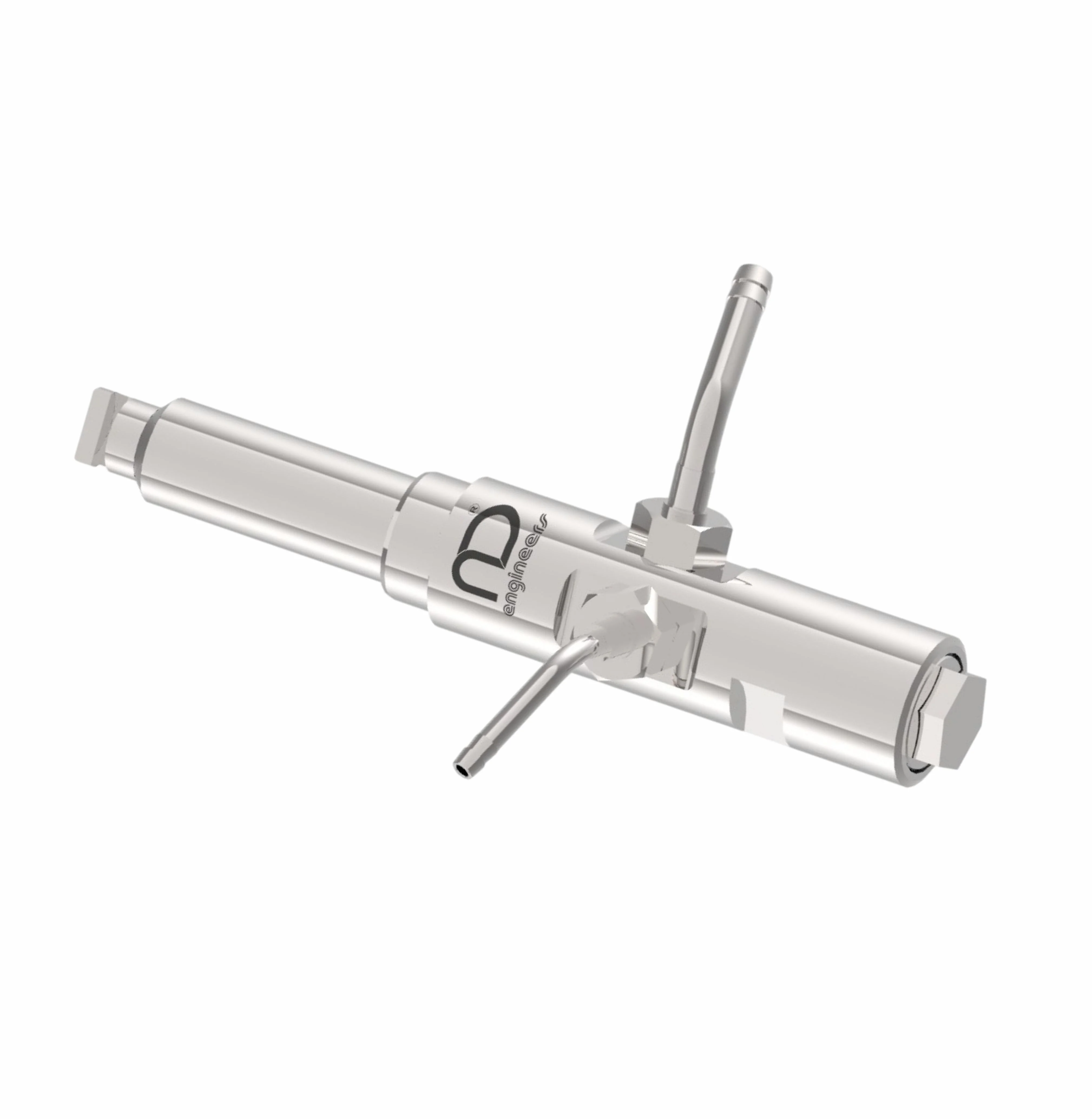
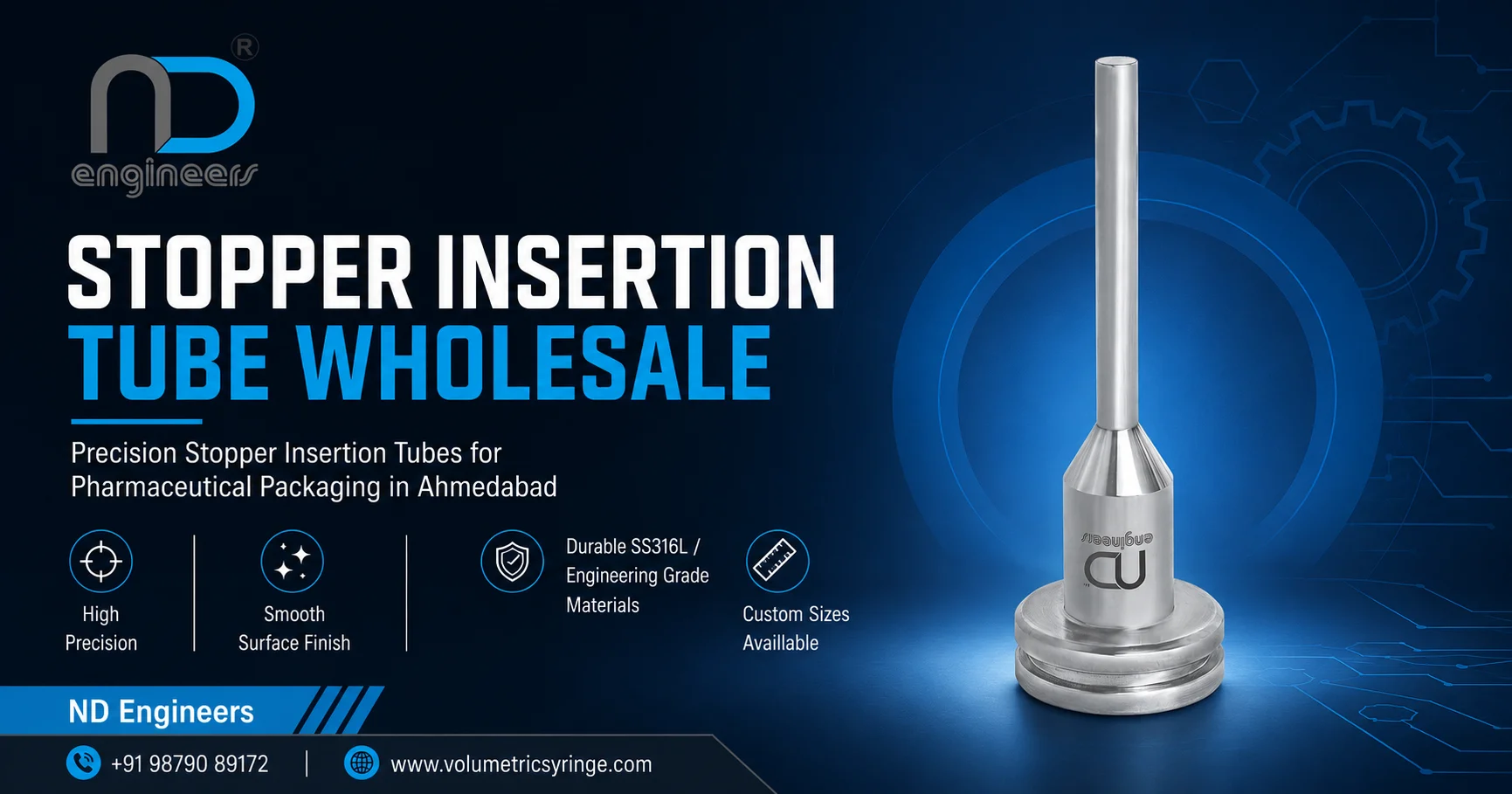
stopper insertion tube wholesale
Find high-quality stopper insertion tubes for pharmaceutical packaging in Ahmedabad. ND Engineers offers reliable, precision-engineered solutions.
Key Features and Technical Specifications
When selecting stopper insertion tubes, specific technical attributes are paramount for optimal performance in pharmaceutical packaging machinery.
- Material Composition: Typically manufactured from high-grade stainless steel (like SS316L) or specialized engineering plastics such as PTFE or PEEK, chosen for their inertness and durability.
- Surface Finish: A highly polished internal surface (often with Ra values specified) to minimize friction and prevent stopper damage during insertion.
- Dimensional Accuracy: Tight tolerances on inner diameter, outer diameter, and length to ensure precise stopper placement and consistent sealing.
- Corrosion Resistance: Resistance to cleaning agents and sterilization processes commonly used in pharmaceutical manufacturing.
- Wear Resistance: Ability to withstand continuous high-speed operation without significant degradation.
- Customization Options: Availability for specific machine models, stopper sizes, and operational requirements.
- Cleanroom Compatibility: Materials and manufacturing processes suitable for cleanroom environments.
Industrial Applications and Use Cases
Stopper insertion tubes are indispensable in various automated packaging scenarios within the pharmaceutical industry.
- Vial Filling and Stoppering: The most common application, where tubes guide stoppers into liquid-filled vials on high-speed filling lines.
- Syringe Filling and Capping: Used in machines that fill syringes and then insert plunger stoppers.
- Diagnostic Kit Assembly: Essential for precisely placing stoppers in vials containing diagnostic reagents.
- Biopharmaceutical Packaging: Critical for sterile insertion of stoppers in sensitive biopharmaceutical products.
- Small Volume Parenteral (SVP) Production: Widely used in the packaging of SVPs where accurate sealing is vital.
- Lyophilized Product Packaging: Employed in processes where stoppers are partially inserted before freeze-drying.
How to Choose the Right Stopper Insertion Tube
Selecting the correct stopper insertion tube is a critical decision that impacts your packaging line's efficiency and product integrity. Consider these factors:
- Machine Compatibility: Ensure the tube's dimensions and mounting specifications precisely match your filling machine model. Consult your machine's manual or the manufacturer.
- Stopper Type and Size: The internal diameter and length must be tailored to the specific stoppers you are using (e.g., rubber, silicone, specific dimensions).
- Material Requirements: For sterile or sensitive applications, choose inert materials like SS316L or FDA-approved polymers.
- Required Precision: Assess the accuracy needed for your product. Higher precision requirements necessitate tubes with tighter tolerances and superior surface finishes.
- Operating Environment: Consider factors like temperature, humidity, and exposure to cleaning chemicals.
- Supplier Reputation and Support: Partner with a manufacturer known for quality, reliability, and good after-sales support.
- Customization Needs: If standard options don't fit, inquire about custom manufacturing capabilities.
Quality Standards and Compliance
In the pharmaceutical industry, adherence to stringent quality standards is non-negotiable. Stopper insertion tubes must be manufactured to meet these expectations to ensure product safety and regulatory compliance. Manufacturers should ideally adhere to standards such as ISO 9001 for quality management systems.
The materials used, particularly stainless steel grades, should be certified. For components that come into contact with the product or stopper, traceability of materials is often a requirement. Furthermore, the manufacturing process itself should be designed to prevent contamination and ensure consistency. Buyers should inquire about the manufacturer's quality control procedures and any relevant certifications they hold, such as GMP compliance for critical components.
Why ND Engineers' Experience and Capability Matter
At ND Engineers, our extensive experience in manufacturing pharmaceutical and packaging machinery spares, established since 2010 in Ahmedabad, provides a distinct advantage. We understand the intricate demands of the pharmaceutical sector. Our manufacturing process is geared towards precision, utilizing advanced machinery and skilled technicians to produce components that meet exacting specifications.
Our team possesses deep expertise in material science and mechanical engineering, enabling us to select the optimal materials and design robust solutions. We implement rigorous quality control checks at every stage of production, from raw material inspection to final product verification. This commitment ensures that each stopper insertion tube leaving our facility is of the highest quality, offering reliability and longevity. Our capability extends to offering customized solutions tailored to specific client requirements, ensuring seamless integration into diverse packaging lines.
Installation, Maintenance, and Care Tips
Proper installation and regular maintenance of stopper insertion tubes are crucial for maximizing their lifespan and ensuring consistent performance.
Installation
Ensure the machine is powered off and safely disengaged before any work begins.
Carefully remove the old tube, noting its orientation and any specific fitting mechanisms.
Clean the mounting area on the machine to remove any debris or residue.
Gently insert the new stopper insertion tube, ensuring it is seated correctly and securely.
Verify alignment with the stopper feeding mechanism and the vial path.
Maintenance
Regularly inspect the tube for signs of wear, damage, or residue buildup.
Clean the tube as part of routine machine cleaning procedures, using approved cleaning agents.
Lubricate moving parts of the insertion mechanism as per the machine manufacturer's recommendations.
Check for any blockages or foreign particles within the tube.
Care:
Avoid using abrasive cleaning tools or harsh chemicals that could damage the surface finish.
Handle tubes with care during removal and installation to prevent bending or scratching.
Store spare tubes in a clean, dry environment to prevent contamination or damage.
Frequently Asked Questions
Stopper insertion tubes are commonly made from high-grade stainless steel, such as SS316L, for its excellent corrosion resistance and inertness. Some applications may utilize advanced engineering plastics like PTFE or PEEK, chosen for their specific properties like non-stick surfaces or extreme temperature resistance.
The correct size is determined by the specific stopper you are using and the filling machine model. You need to match the inner diameter of the tube to the outer diameter of the stopper, ensuring a snug but not overly tight fit. Consulting your machine's manual or the manufacturer is the most reliable method.
Yes, customization is a common requirement. Manufacturers like ND Engineers can produce stopper insertion tubes with specific lengths, diameters, mounting features, or surface finishes to precisely match unique machine models or operational needs.
A smooth, highly polished internal surface finish is critical. It minimizes friction, prevents damage to the stopper during insertion, and ensures a consistent, reliable seal. A rough finish can cause stoppers to snag, tear, or misalign, leading to production issues and product contamination.
The replacement frequency depends on the machine's usage, the type of stoppers, and the operating environment. Regular inspection for wear, damage, or deformation is key. Many manufacturers recommend replacement as part of scheduled preventative maintenance to avoid unexpected line stoppages.
Yes, when manufactured from appropriate materials like SS316L and with a high-quality surface finish, stopper insertion tubes are perfectly suited for sterile filling applications. The materials used must be inert and capable of withstanding sterilization processes without degradation.
Conclusion
For pharmaceutical manufacturers in Ahmedabad and across the region, the selection of reliable, high-precision stopper insertion tubes is a critical factor in maintaining efficient and compliant packaging operations. These components are more than just parts; they are integral to ensuring product integrity, sterility, and the overall performance of your filling and sealing machinery.
Partnering with an experienced manufacturer like ND Engineers, who understands the stringent demands of the pharmaceutical industry and possesses the technical capability for precision manufacturing, is key. By focusing on material quality, dimensional accuracy, and robust design, you can ensure your packaging lines operate smoothly, reliably, and meet the highest industry standards.
---
Get In Touch
Nd Engineers