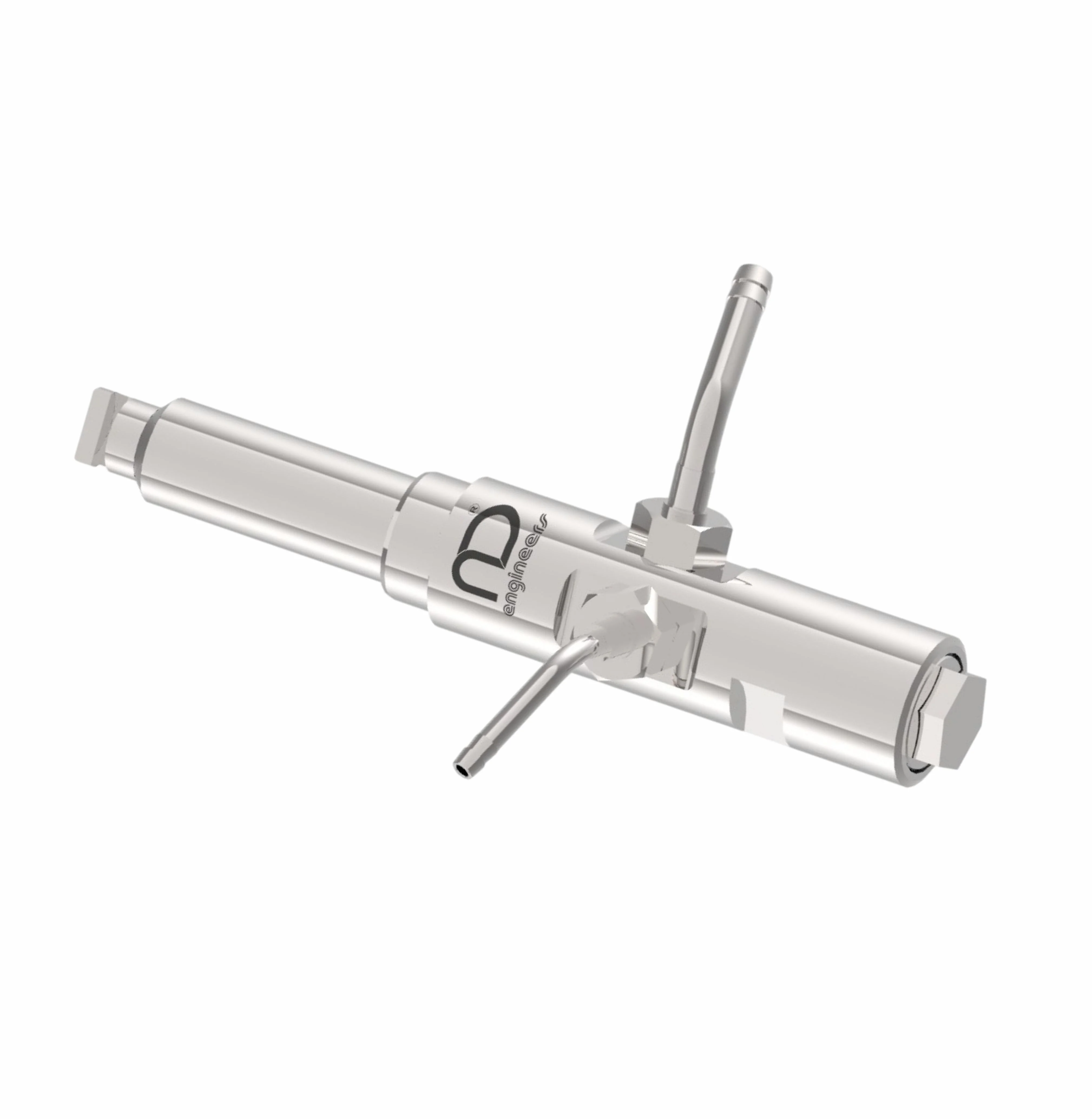
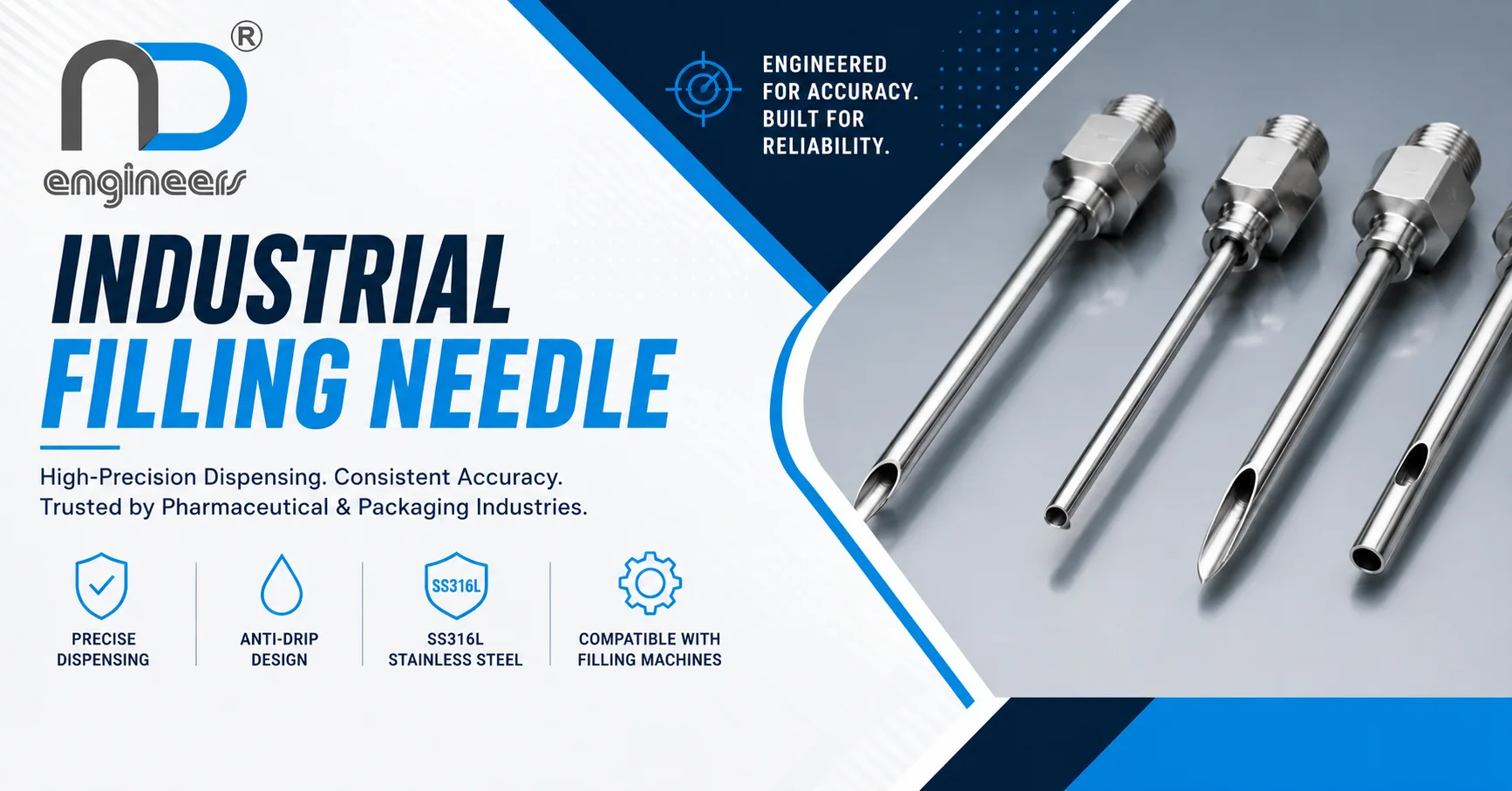
Industrial filling needle
Discover high-precision industrial filling needles in Ahmedabad by ND Engineers. Ensure accurate, reliable dispensing for pharmaceutical and packaging applicati
What is an Industrial Filling Needle? — Overview
An industrial filling needle is a specialized component designed for the accurate and controlled dispensing of liquids into containers. Typically made from stainless steel or other inert materials, these needles are engineered with specific internal diameters, lengths, and tip designs to suit various viscos and filling volumes. They are integral parts of automated or semi-automated filling machines, connecting to a fluid source and delivering precise doses with minimal spillage or dripping. Their design is crucial for achieving consistent fill levels, which is a non-negotiable requirement in regulated industries.
Key Features and Technical Specifications
When evaluating industrial filling needles, several key features dictate their performance and suitability for your application:
- Material Construction: Primarily SS316L stainless steel for excellent corrosion resistance and inertness, crucial for pharmaceutical and food-grade applications.
- Tip Design: Options include blunt tips, beveled tips, or specialized designs like side-port or bottom-fill tips to prevent foaming and ensure complete product evacuation.
- Internal Diameter (ID) and Length: Precisely matched to the viscosity of the fluid and the desired fill volume and container neck size.
- Connection Type: Standardized fittings (e.g., Luer lock, threaded connections) to ensure secure and leak-free attachment to filling machine nozzles.
- Surface Finish: Highly polished internal and external surfaces to prevent product adhesion and facilitate easy cleaning (CIP/SIP compatibility).
- Precision Machining: Tight tolerances in manufacturing ensure consistent flow rates and accurate dispensing volumes batch after batch.
- Anti-Drip Mechanism: Integrated features or tip designs that prevent residual dripping after the fill cycle is complete.
Industrial Applications and Use Cases
The versatility of precision industrial filling needles makes them indispensable across a range of sectors:
- Pharmaceuticals: Accurate filling of vials, ampoules, and bottles with liquid medications, syrups, and injectables.
- Cosmetics: Dispensing creams, lotions, serums, and perfumes into various packaging formats with precision.
- Food & Beverage: Filling oils, sauces, juices, and other liquid food products into bottles and pouches.
- Chemicals: Precise dispensing of laboratory reagents, industrial chemicals, and specialty fluids.
- Nutraceuticals: Filling vitamins, supplements, and health drinks into their respective containers.
- Veterinary Products: Accurate dosing of animal health medications and supplements.
How to Choose the Right Industrial Filling Needle
Selecting the correct filling needle is a critical decision that impacts your production line's efficiency and product quality. Consider these factors:
- Fluid Viscosity and Properties: Match the needle's ID and tip design to the flow characteristics of your product.
- Fill Volume and Accuracy Requirements: Ensure the needle's capacity and precision meet your target fill volumes and tolerance levels (e.g., ±1%).
- Container Type and Neck Size: The needle length and diameter must be compatible with your chosen packaging.
- Machine Compatibility: Verify that the connection type and overall dimensions integrate seamlessly with your existing filling machinery.
- Cleaning and Sterilization Needs: Opt for materials and designs that support your required cleaning-in-place (CIP) or sterilization-in-place (SIP) protocols.
- Material Compliance: Confirm that the material used (e.g., SS316L) meets industry-specific regulatory standards (e.g., FDA, GMP).
- Supplier Expertise and Support: Partner with a manufacturer that offers technical guidance and customization options.
Quality Standards and Compliance
In industries like pharmaceuticals and food processing, adherence to stringent quality standards and regulatory compliance is non-negotiable. Industrial filling needles must be manufactured from materials that are food-grade and pharmacopeia compliant, such as SS316L stainless steel. Manufacturers should be able to provide documentation verifying material traceability and compliance with relevant standards like ISO. For pharmaceutical applications, needles may need to meet specific GMP (Good Manufacturing Practice) guidelines, ensuring they do not contaminate or degrade the product. Verifying these aspects with your supplier is crucial for maintaining product integrity and regulatory adherence.
Why NavDurga Engineers' Experience and Capability Matters
NavDurga Engineers, established in Ahmedabad in 2010, brings over a decade of focused experience in manufacturing precision components for the pharmaceutical and packaging industries. Our deep understanding of these sectors' unique demands allows us to engineer industrial filling needles that meet exacting standards. We leverage advanced manufacturing techniques and a skilled team of professionals dedicated to quality control at every stage. Our capability extends to offering customized solutions, ensuring that whether you need standard specifications or a bespoke design, your operational requirements are precisely met. This commitment to quality, combined with our local presence in Ahmedabad, makes us a reliable partner for your critical dispensing needs.
Installation, Maintenance, and Care Tips
Proper installation and regular maintenance are key to maximizing the lifespan and performance of your industrial filling needles.
- Installation: Ensure the needle is securely attached to the filling nozzle using the appropriate fitting. Avoid overtightening, which can damage threads.
- Cleaning: Thoroughly clean needles after each production run using approved cleaning agents and methods. Ultrasonic cleaning can be highly effective for removing stubborn residues.
- Inspection: Regularly inspect needles for any signs of wear, damage, or blockage. A bent or clogged needle can lead to inaccurate fills and operational issues.
- Sterilization: If required for your application, ensure the needle material and design are compatible with your chosen sterilization methods (e.g., autoclaving, chemical sterilization).
- Storage: Store needles in a clean, dry environment, preferably in protective cases, to prevent contamination and damage when not in use.
Frequently Asked Questions
The primary function of an industrial filling needle is to precisely dispense liquids into containers during automated or semi-automated filling processes. They ensure accurate volume delivery, minimize product waste, and maintain consistency across batches, which is critical for industries like pharmaceuticals and food processing.
Industrial filling needles are commonly made from SS316L stainless steel. This material is chosen for its excellent corrosion resistance, inertness, durability, and ability to withstand rigorous cleaning and sterilization processes, making it ideal for contact with sensitive products.
Fluid viscosity directly influences the required internal diameter (ID) and tip design of the filling needle. Thicker, more viscous fluids require larger IDs and potentially specialized tip designs to ensure smooth flow and prevent clogging, while less viscous fluids can use smaller IDs for faster dispensing.
The tip design is crucial for controlling the dispensing process. Options like blunt, beveled, or side-port tips help prevent foaming, ensure complete product evacuation from the needle, and minimize dripping after the fill cycle, leading to cleaner fills and more accurate volumes.
To meet pharmaceutical standards, ensure your filling needles are made from SS316L stainless steel, have a high-quality surface finish, and are manufactured with tight tolerances. Request material certifications and documentation from the supplier that confirms compliance with GMP and relevant pharmacopeia standards.
Essential maintenance includes regular cleaning after each use, visual inspection for wear or damage, and proper storage. For applications requiring it, ensuring compatibility with sterilization methods and performing periodic checks for blockages are also vital for consistent performance.
Conclusion
For businesses in Ahmedabad and beyond, selecting the right industrial filling needle is a strategic decision that directly impacts product quality, operational efficiency, and regulatory compliance. Understanding the technical specifications, material requirements, and application-specific needs is key. Partnering with an experienced manufacturer like NavDurga Engineers, who understands the intricacies of the pharmaceutical and packaging sectors, ensures you receive precision-engineered solutions backed by local expertise and a commitment to quality. By focusing on these critical factors, you can achieve accurate, reliable, and consistent liquid dispensing for your production needs.
Get In Touch
Nd Engineers