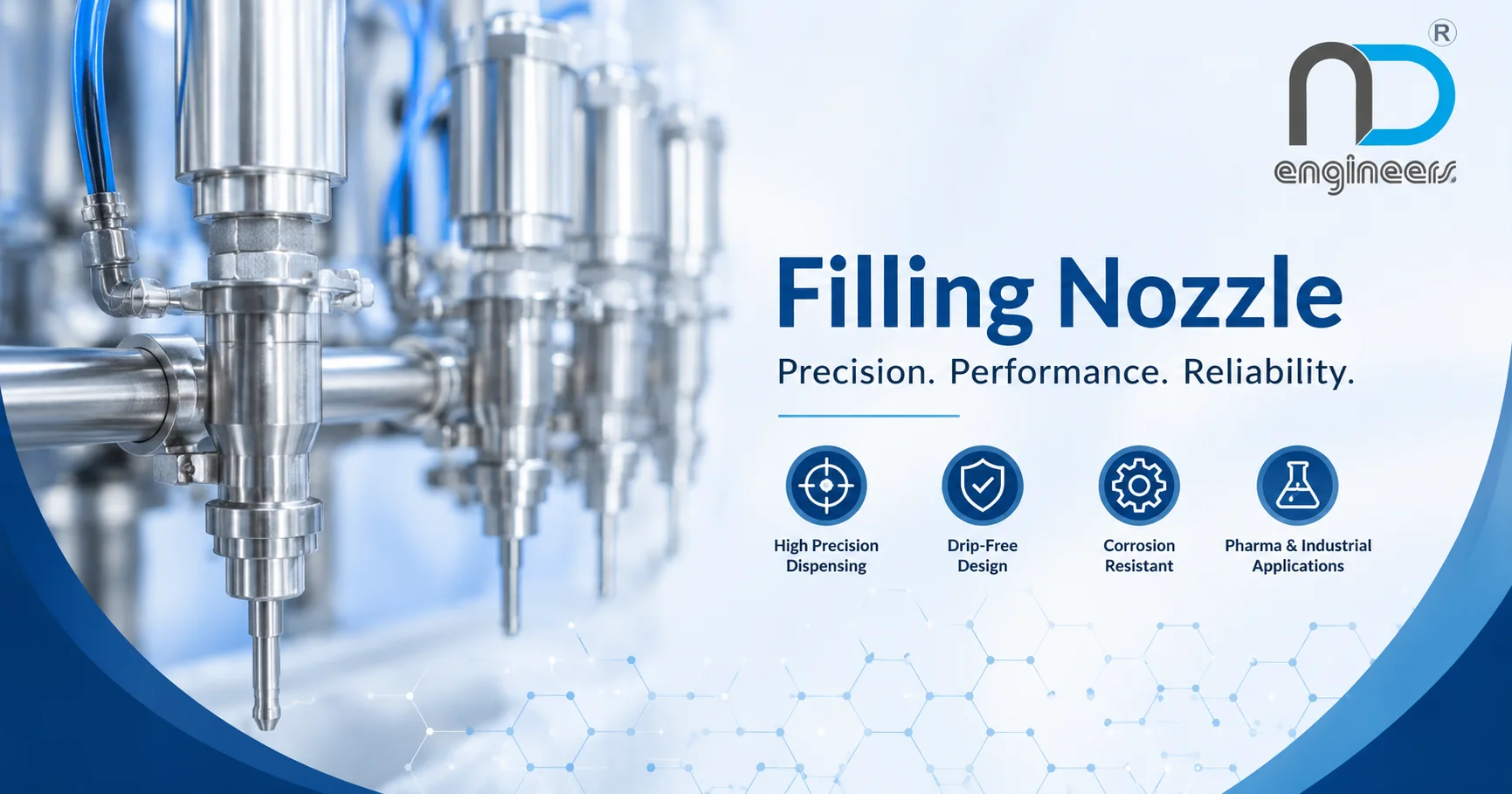
Filling nozzle manufacturer
Expert filling nozzle manufacturer in Ahmedabad. ND Engineers provides precision-engineered nozzles for pharmaceutical and packaging machinery. Get reliable sol
What is a Filling Nozzle? — Overview
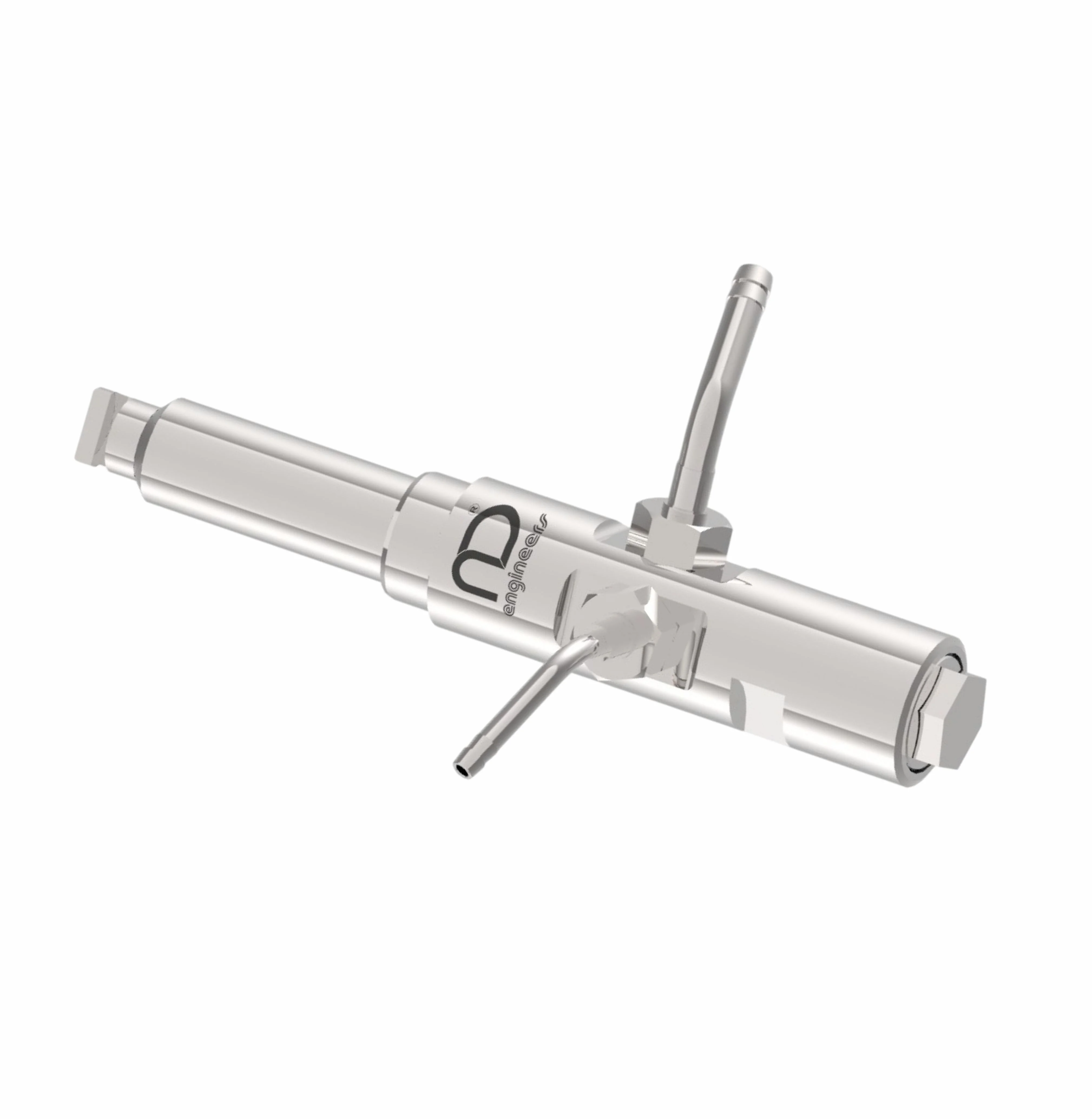
A filling nozzle, also known as a filling head or dispensing nozzle, is a precision-engineered component designed to accurately deliver a specific volume of product into a container. These nozzles are integral parts of automated filling machines used across various industries, most notably in pharmaceuticals, food and beverage, cosmetics, and chemicals.
They function by controlling the flow of the product from a reservoir or pump to the container. The design of the nozzle, including its diameter, length, tip configuration, and material, is crucial for achieving precise dispensing, preventing drips, and ensuring compatibility with the product being filled.
Key Features and Technical Specifications
When evaluating filling nozzles, several technical aspects are paramount to ensure optimal performance and longevity:
- Material Construction: Typically made from high-grade stainless steel (like SS316L), ceramic, or specialized polymers to ensure chemical inertness and durability.
- Precision Machining: Manufactured with tight tolerances to guarantee accurate and repeatable dispensing volumes.
- Drip-Free Design: Features like anti-drip valves or specialized tip geometries to prevent product spillage and waste.
- Compatibility: Designed to integrate seamlessly with various filling machine models and brands.
- Surface Finish: High-quality surface finish (e.g., mirror polish) to prevent product adhesion and facilitate easy cleaning.
- Flow Rate Control: Engineered to manage product flow effectively, accommodating different viscosities.
- Customizable Orifice Size: Available in various orifice diameters to suit different product types and fill volumes.
- Sterilizability: Materials and design that allow for effective sterilization processes (CIP/SIP) in pharmaceutical applications.
Industrial Applications and Use Cases
Filling nozzles are indispensable across a wide spectrum of industrial applications:
- Pharmaceutical Liquid Filling: Accurately dispensing syrups, suspensions, injectables, and oral solutions into vials, bottles, and syringes.
- Cosmetic Product Dispensing: Filling creams, lotions, serums, and perfumes into various containers with precision.
- Food & Beverage Industry: Dispensing oils, sauces, juices, and other liquid food products into bottles and pouches.
- Chemical Product Packaging: Filling solvents, reagents, and cleaning agents into containers.
- Laboratory Automation: Used in automated systems for precise dispensing of reagents and samples.
- Semi-Solid Dispensing: Filling pastes, gels, and ointments where controlled flow is essential.
- High-Viscosity Product Filling: Specialized nozzles designed to handle thick liquids or semi-solids effectively.
- Sterile Filling Applications: Nozzles designed for aseptic environments, often made from inert materials like advanced ceramics.
How to Choose the Right Filling Nozzle
Selecting the correct filling nozzle is crucial for operational success. Consider these factors:
- Product Viscosity and Characteristics: The nozzle must be suitable for the product's thickness, flow properties, and any abrasive or corrosive elements.
- Required Accuracy and Repeatability: Determine the acceptable tolerance for fill volumes; higher accuracy demands more precisely manufactured nozzles.
- Container Type and Size: The nozzle tip must fit within the container opening without damaging it, and the fill volume dictates the nozzle's capacity.
- Machine Compatibility: Ensure the nozzle's mounting and connection specifications match your existing filling machinery.
- Material Compatibility: Verify that the nozzle material will not react with or contaminate the product.
- Cleaning and Sterilization Requirements: For pharmaceutical and food applications, ease of cleaning and suitability for CIP/SIP processes are vital.
- Drip Prevention Needs: Assess the product's tendency to drip and select a nozzle with appropriate anti-drip features.
- Supplier Expertise and Support: Choose a manufacturer with a proven track record and the ability to provide technical assistance or custom solutions.
Quality Standards and Compliance
For industries like pharmaceuticals, adherence to stringent quality standards and regulatory compliance is non-negotiable. Filling nozzles used in these sectors must often meet specific criteria:
Material Certifications: Materials used, especially stainless steel and ceramics, should be traceable and certified to meet food-grade or pharmaceutical-grade standards (e.g., FDA-compliant materials).
Manufacturing Precision: Compliance with ISO standards for manufacturing processes ensures consistency and quality control.
Surface Finish Standards: Pharmaceutical applications often require specific surface roughness (Ra values) to prevent microbial adhesion and facilitate cleaning.
Design for Cleanability: Nozzles should be designed with minimal crevices or dead spaces where product or cleaning agents could accumulate.
Traceability: Manufacturers should be able to provide documentation regarding material origins and manufacturing batches.
Buyers should always inquire about the certifications and quality assurance processes of their chosen filling nozzle manufacturer to ensure their products meet all necessary industry and regulatory requirements.
Why NavDurga Engineers' Experience and Capability Matters
At NavDurga Engineers, our extensive experience in manufacturing pharmaceutical and packaging machinery spares, including precision filling nozzles, sets us apart. Established in 2010 in Ahmedabad, we have cultivated deep expertise in understanding the intricate demands of high-accuracy dispensing. Our manufacturing processes are honed to deliver components that meet exacting specifications.
We leverage advanced machining techniques and a skilled team of professionals dedicated to quality control at every stage. This ensures that each filling nozzle we produce offers exceptional accuracy, durability, and reliability. Our capability extends to offering customized solutions, working closely with clients to design nozzles tailored to their unique product and machinery requirements. This commitment to precision engineering and customer collaboration is what makes NavDurga Engineers a trusted partner for businesses seeking dependable filling solutions.
Installation, Maintenance, and Care Tips
Proper installation, regular maintenance, and careful handling of filling nozzles are essential for maximizing their lifespan and ensuring consistent performance.
- Installation: Ensure the nozzle is securely fitted to the filling machine according to the manufacturer's guidelines. Avoid overtightening, which can damage threads or seating surfaces. Verify proper alignment to prevent leaks.
- Cleaning: Clean nozzles thoroughly after each production run. Use appropriate cleaning agents that are compatible with both the nozzle material and the product. For pharmaceutical applications, follow validated cleaning procedures.
- Inspection: Regularly inspect nozzles for signs of wear, corrosion, or damage. Pay close attention to the tip and any sealing surfaces.
- Lubrication: If applicable, ensure any moving parts within the nozzle mechanism are lightly lubricated with food-grade or pharmaceutical-grade lubricants as recommended.
- Storage: Store nozzles in a clean, dry place when not in use. Protect them from dust and physical damage.
- Replacement: Replace nozzles that show significant wear or damage to maintain filling accuracy and prevent production issues.
Frequently Asked Questions
Pharmaceutical filling nozzles are commonly manufactured from high-grade stainless steel, such as SS316L, or advanced ceramics. These materials are chosen for their excellent corrosion resistance, chemical inertness, durability, and ability to withstand sterilization processes like CIP (Clean-In-Place) and SIP (Sterilize-In-Place).
The correct nozzle size depends on the product's viscosity, the desired fill volume, and the container's opening diameter. You need to consider the flow rate required and ensure the nozzle tip can fit into the container without obstruction while achieving the target fill accuracy.
Yes, customization is often possible and necessary. Manufacturers like NavDurga Engineers can design and produce filling nozzles with specific orifice sizes, lengths, tip configurations, and mounting styles to precisely match unique product characteristics and the requirements of particular filling machines.
A drip-free design is critical to prevent product wastage, maintain container cleanliness, and ensure accurate fill volumes. These designs often incorporate features like anti-drip valves, needle tips, or specific geometries that cut off product flow cleanly at the end of the filling cycle, avoiding post-fill drips.
The replacement frequency depends on usage, the nature of the product being filled, and the cleaning procedures. Regular inspection for wear, erosion, or damage is key. If filling accuracy degrades or signs of wear are visible, it's time for replacement to maintain product quality and efficiency.
For pharmaceutical and food industries, look for manufacturers adhering to ISO standards for quality management. Material certifications (e.g., SS316L traceability) and evidence of precision manufacturing capabilities are also important. Manufacturers experienced with GMP (Good Manufacturing Practice) requirements are often preferred.
Conclusion
For businesses in Ahmedabad and beyond, investing in high-quality filling nozzles is an investment in product integrity, operational efficiency, and regulatory compliance. The selection of a reliable manufacturer like NavDurga Engineers, with a proven track record in precision engineering and a deep understanding of the pharmaceutical and packaging sectors, is paramount. By considering material quality, manufacturing precision, compatibility, and the specific demands of your application, you can ensure your filling operations are both accurate and dependable.
Get In Touch
Nd Engineers