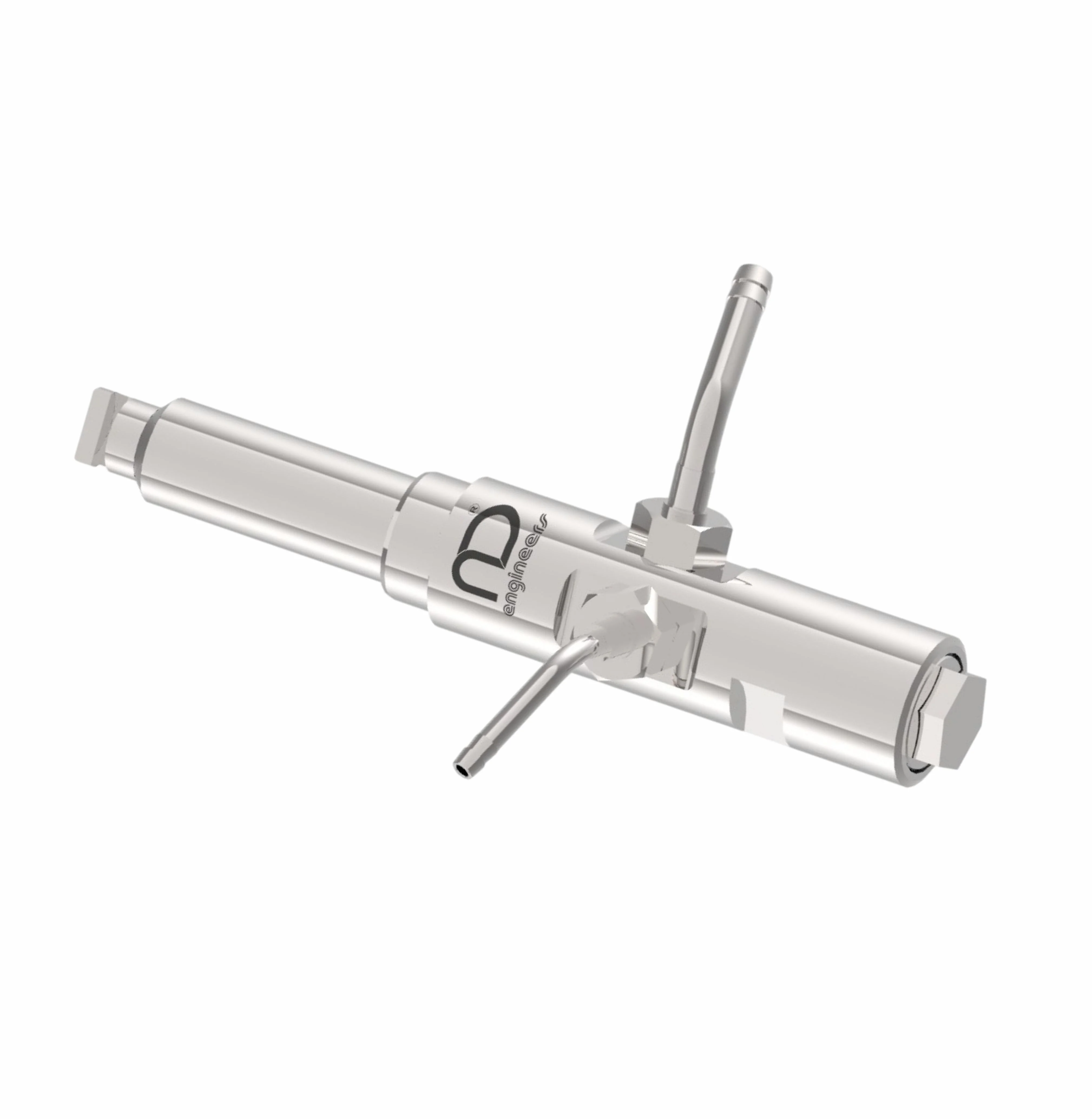
ceramic dosing pump exporter
Expert ceramic dosing pump exporter in Ahmedabad. NavDurga Engineers offers high-precision pumps for pharmaceutical and packaging industries.
What is a Ceramic Dosing Pump? — Overview
A ceramic dosing pump is a precision fluid transfer device designed for the accurate and repeatable dispensing of liquids. Its core components, particularly the piston and cylinder, are constructed from advanced technical ceramics, such as alumina or zirconia. These materials are chosen for their exceptional hardness, chemical inertness, wear resistance, and low friction properties.
The pump operates by precisely controlling the volume of fluid drawn into and expelled from its chamber with each cycle. This controlled displacement ensures that a consistent, predetermined amount of liquid is delivered, making it ideal for applications where exact measurement is paramount. The ceramic construction minimizes contamination and ensures longevity, even when handling corrosive or abrasive media.
Key Features and Technical Specifications
- High-Precision Dosing: Capable of dispensing volumes with ±0.5% accuracy or better.
- Corrosion Resistance: Technical ceramic materials offer superior resistance to a wide range of chemicals and solvents.
- Wear Resistance: The inherent hardness of ceramics ensures long service life and minimal degradation from abrasive media.
- Low Friction: Ceramic-on-ceramic seals reduce wear and allow for smooth, consistent operation.
- Hygienic Design: Smooth surfaces and inert materials are ideal for pharmaceutical and food-grade applications.
- Wide Viscosity Range: Suitable for dispensing liquids from low-viscosity solvents to high-viscosity pastes.
- Adjustable Stroke Length: Allows for easy calibration and adjustment of dispensing volumes.
- Robust Construction: Designed for continuous operation in demanding industrial environments.
Industrial Applications and Use Cases
- Pharmaceutical Formulation: Accurate dispensing of active pharmaceutical ingredients (APIs), excipients, and liquid medications.
- Chemical Dosing: Precise addition of catalysts, reagents, or additives in chemical processing.
- Cosmetic Manufacturing: Metering of fragrances, colorants, and active ingredients in cosmetic products.
- Food and Beverage Industry: Dispensing of flavorings, colorings, and precise liquid ingredients.
- Laboratory Automation: Integration into automated systems for precise sample preparation and analysis.
- Veterinary Medicine Production: Accurate dispensing of liquid animal health products.
- Ink and Pigment Dispensing: Controlled delivery of inks and pigments in printing and coating applications.
- Personal Care Product Filling: Precise filling of lotions, serums, and other personal care items.
How to Choose the Right Ceramic Dosing Pump
Selecting the appropriate ceramic dosing pump is crucial for optimal performance and longevity. Consider these factors:
- Required Dispensing Volume: Determine the exact volume needed per cycle and the desired dispensing rate.
- Fluid Properties: Assess the viscosity, corrosiveness, abrasiveness, and temperature of the fluid being handled.
- Accuracy and Repeatability: Ensure the pump meets the required tolerance levels for your application.
- Material Compatibility: Verify that the ceramic and any other wetted parts are compatible with the fluid.
- Operating Pressure: Confirm the pump can handle the back pressure of the system.
- Certifications and Compliance: Look for pumps that meet industry-specific standards (e.g., GMP, FDA).
- Supplier Reputation and Support: Choose a manufacturer with a proven track record and reliable after-sales service.
- Customization Needs: Determine if any specific modifications are required for your unique application.
Quality Standards and Compliance
For pharmaceutical and sensitive industrial applications, adherence to stringent quality standards is non-negotiable. Ceramic dosing pumps must be manufactured to meet international benchmarks that ensure safety, efficacy, and consistency. Look for manufacturers who can demonstrate compliance with standards such as ISO 9001 for quality management systems.
Furthermore, for pharmaceutical use, pumps should be designed with materials that are compliant with FDA regulations for food and drug contact. The use of high-purity technical ceramics and inert sealing materials is essential to prevent contamination and ensure product integrity. Verifying the manufacturer's commitment to quality control throughout the production process, from material sourcing to final testing, provides confidence in the pump's reliability and performance.
Why NavDurga Engineers' Experience and Capability Matters
Established in 2010, NavDurga Engineers brings over a decade of dedicated experience in manufacturing pharmaceutical and packaging machinery spares, including high-precision ceramic dosing pumps. Our manufacturing process is rooted in a deep understanding of the critical requirements of the pharmaceutical sector. We leverage advanced ceramic materials and precision engineering techniques to produce pumps that deliver exceptional accuracy and durability.
Our technical team possesses extensive expertise in fluid dynamics and material science, enabling us to design and manufacture pumps that meet rigorous industry specifications. We maintain strict quality control protocols at every stage of production, ensuring that each pump leaving our facility in Ahmedabad adheres to the highest standards. This commitment to quality, combined with our capability for customization and reliable after-sales support, makes NavDurga Engineers a trusted partner for businesses seeking dependable dosing solutions.
Installation, Maintenance, and Care Tips
Proper installation and regular maintenance are key to maximizing the lifespan and performance of your ceramic dosing pump.
- Installation: Ensure the pump is installed on a stable, vibration-free surface. Connect inlet and outlet lines securely, avoiding any kinks that could restrict flow. Prime the pump according to the manufacturer's instructions before initial operation.
- Calibration: Periodically recalibrate the pump to ensure continued dispensing accuracy, especially if fluid properties change or after significant operational periods.
- Cleaning: Follow recommended cleaning procedures, using appropriate solvents or cleaning agents compatible with the ceramic materials. Avoid abrasive cleaning tools that could scratch the ceramic surfaces.
- Inspection: Regularly inspect seals, O-rings, and ceramic components for any signs of wear or damage. Prompt replacement of worn parts can prevent more significant issues.
- Lubrication: While ceramic-on-ceramic components require minimal lubrication, check if any external moving parts require periodic greasing as per the manual.
- Storage: If the pump is to be stored for an extended period, ensure it is thoroughly cleaned and drained to prevent crystallization or corrosion.
Frequently Asked Questions
Ceramic dosing pumps are ideal due to the inherent properties of technical ceramics. These materials are extremely hard, wear-resistant, and chemically inert, which prevents contamination of sensitive pharmaceutical products and ensures long-term accuracy even with abrasive or corrosive media.
The hardness and low friction coefficient of ceramic components, like the piston and cylinder, minimize wear and tear during operation. This results in consistent dispensing volumes over extended periods and a significantly longer service life compared to pumps made from conventional materials.
Yes, ceramic dosing pumps are versatile and can handle a wide range of fluids, from low-viscosity solvents and water to high-viscosity liquids, pastes, and suspensions. Their chemical inertness makes them suitable for aggressive chemicals often found in industrial processes.
High-quality ceramic dosing pumps are engineered for exceptional precision, typically offering dispensing accuracy within ±0.5% or even better. This level of accuracy is critical for applications where precise measurement of ingredients or products is essential.
Calibration frequency depends on the application's criticality and the nature of the fluid being dispensed. For highly sensitive applications, recalibration might be needed daily or weekly. For less critical uses, monthly or quarterly calibration may suffice, alongside regular performance checks.
Maintenance usually involves regular cleaning to prevent residue buildup, periodic inspection of seals and ceramic parts for wear, and recalibration to ensure accuracy. Unlike pumps with metal components, ceramic pumps generally require less frequent lubrication and are less prone to corrosion.
Conclusion
For industries in Ahmedabad and beyond that demand uncompromising precision in liquid handling, ceramic dosing pumps represent a superior solution. Their inherent material properties—hardness, chemical inertness, and wear resistance—translate directly into reliable, accurate, and long-lasting performance. Choosing a reputable manufacturer like NavDurga Engineers, with a deep understanding of these critical applications and a commitment to quality, ensures that your operations benefit from the highest standards of engineering and support. Investing in a well-specified ceramic dosing pump is an investment in product integrity, operational efficiency, and regulatory compliance.
Get In Touch
Nd Engineers